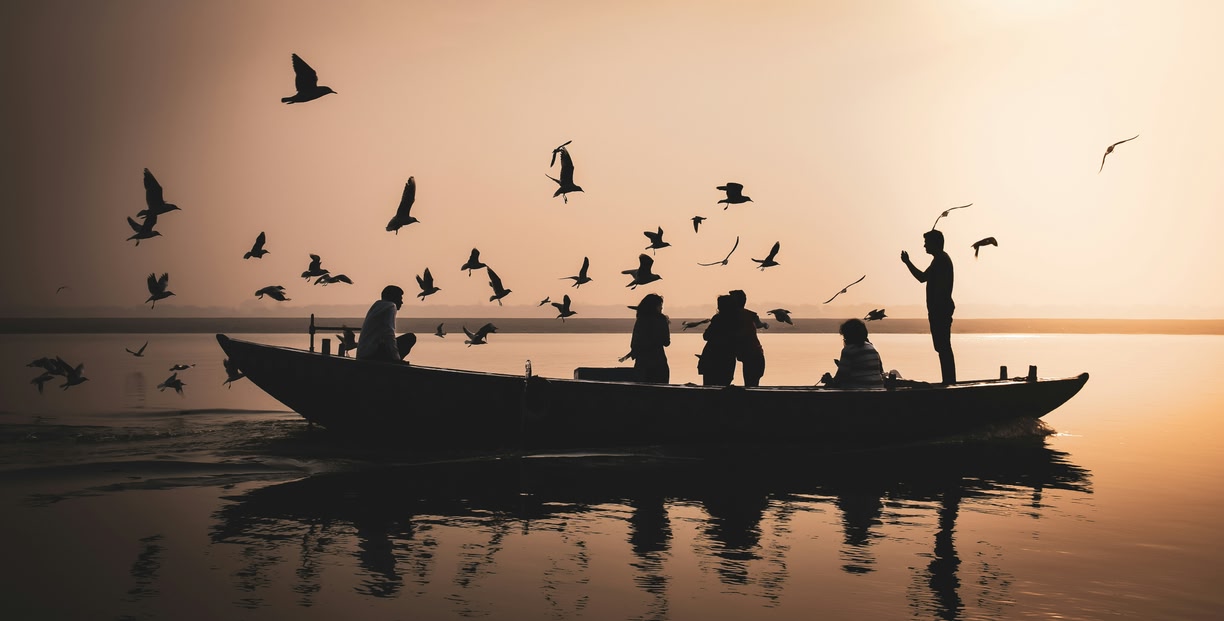
Varanasi is everything your imagination conjures and then some. These are the best places to visit in Varanasi.
One of the oldest continuously inhabited cities on earth, Varanasi (also known as Kashi or Banaras) has been drawing pilgrims and travellers to the western banks of the River Ganga for more than 3,500 years. Revered by Hindus as the City of Lights and considered the abode of Lord Shiva, this city is where myth and everyday life blur into one extraordinary whole. People come to wash away their sins in the holy Ganges, to attend the soul-stirring Ganga Aarti, to explore ancient temples and to contemplate the great questions of existence along the ghats. Things to do in Varanasi range from the deeply devotional to the fascinatingly historical, and every lane of the old city holds a story. Here are the best places to visit and experiences to have.
The best time to visit Varanasi
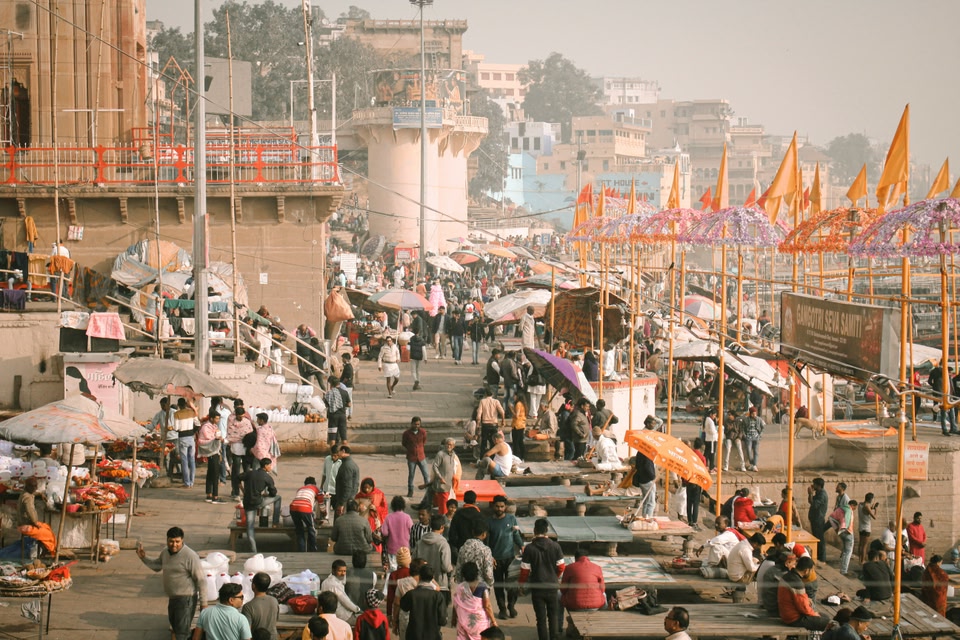
Varanasi is at its most pleasant between October and March, when the weather is cool enough for comfortable sightseeing. Day temperatures hover around a pleasant 20°C, though January and February nights can dip to around 5°C, so carry a light jacket. The city is at its liveliest for Hindu festivals, particularly during and after Diwali and Ganga Mahotsav, a celebration of the Ganges River. The annual Maha Shivaratri celebration, which honours Lord Shiva, is another excellent time to visit. Avoid the peak summer months of April to June if you can, when the heat is most intense.
The best things to do in Varanasi

1. Kashi Vishwanath Temple
The spiritual heart of Varanasi, the Kashi Vishwanath Temple sits on the western banks of the Ganga and houses one of the 12 Jyotirlingas of Lord Shiva. The holy streets surrounding the temple are home to roughly 2,000 temples, with Kashi Vishwanath being one of the 12 Jyotirlinga shrines of India. The existing structure was built in 1780 by Queen Ahilya Bai Holkar of Indore, and the temple's golden spires give it the popular name the Golden Temple. Festivals like Shivratri, Dev Diwali and Makar Sankranti are especially memorable times to visit.
2. Dasaswamedh Ghat and the Ganga Aarti
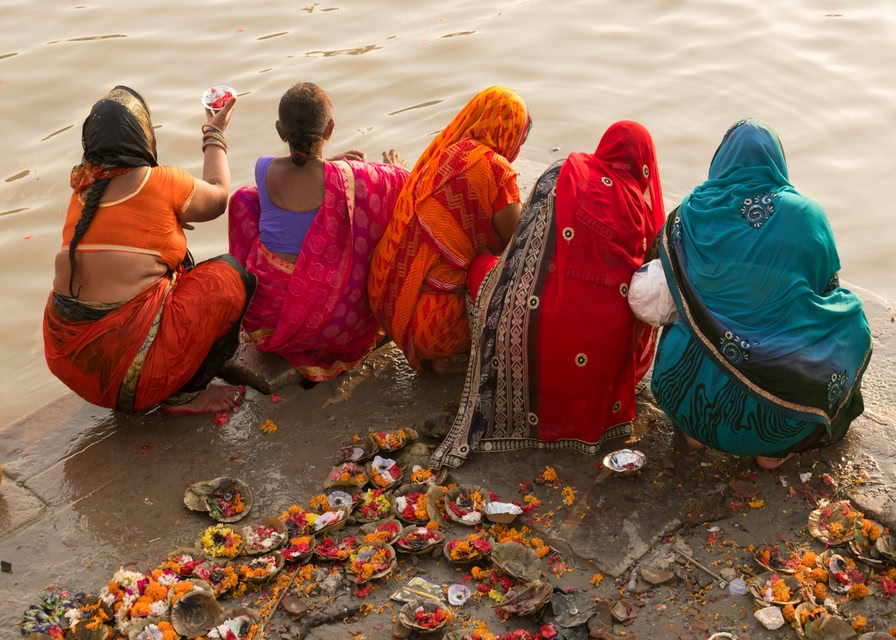
Dasaswamedh Ghat is the most vibrant tourist spot in Varanasi. Thousands gather every evening to watch the Ganga Aarti, a synchronised ritual of fire lamps, chants and devotional music performed by priests. Believed to be the site where Lord Brahma performed the Dasa Ashwamedh sacrifice, this ghat is the beating heart of Varanasi's spiritual life. Most devotees also set lit clay diyas afloat on the river, creating a mesmerising scene after dark. For the best view of the aarti, consider booking a small boat, watching from the river is one of the top things to do in Varanasi at night.
3. Gyan Vapi Well
Just beside the Kashi Vishwanath Temple complex lies the Gyan Vapi (or Gyan Kup) well — one of Varanasi's most intriguing and lesser-known sites. It is believed that this well's water holds the Shivalinga from the Vishwanath Temple, which was vandalised by the Mughal emperor Aurangzeb, with the Linga possibly having been thrown into this well for protection. The water from the well is considered even holier than the Ganga itself. If you have a taste for history and mystery, this is one of the best places to visit in Varanasi.

4. Manikarnika Ghat
Among Varanasi's 80-plus riverfront ghats, Manikarnika Ghat holds a unique place. It is the main cremation ground of the city, where fires have burned for centuries without pause. Hindus believe that anyone cremated here achieves liberation from the endless cycle of birth and rebirth. The ghat is named after the earrings of Sati, a Hindu goddess, which Hindus believe fell there. Visiting Manikarnika is not sightseeing in the conventional sense. It is a profound, humbling experience that offers an unfiltered glimpse into one of Hinduism's deepest beliefs about life and death. Dress modestly and refrain from photography out of respect for the families present.
5. Ramnagar Fort Museum
Ramnagar Fort is a medieval fort located on the eastern banks of the River Ganga, constructed by Maharaja Balwant Singh in the 18th century. It was the royal residence of the Raja of Banaras, also known as Kashi Naresh, and represents a typical Mughal style of architecture with carved balconies, open courtyards and picturesque pavilions. The fort museum houses ornamental swords, palanquins and Durbar Hall artefacts that offer a vivid window into Varanasi's royal past.
6. Bharat Kala Bhavan Museum
Located within the Banaras Hindu University campus, Bharat Kala Bhavan Museum has a rich collection of Indian paintings dated between the 11th and 20th centuries, housing Mughal miniatures, Gandhara sculptures and the sculpture of the marriage of Shiva and Parvati. With close to 12,000 artworks and displays of jewellery, textiles and pottery from the 1st to the 15th centuries, this is easily one of India's finest museum collections. Budget a couple of hours here at minimum.
7. Sarnath
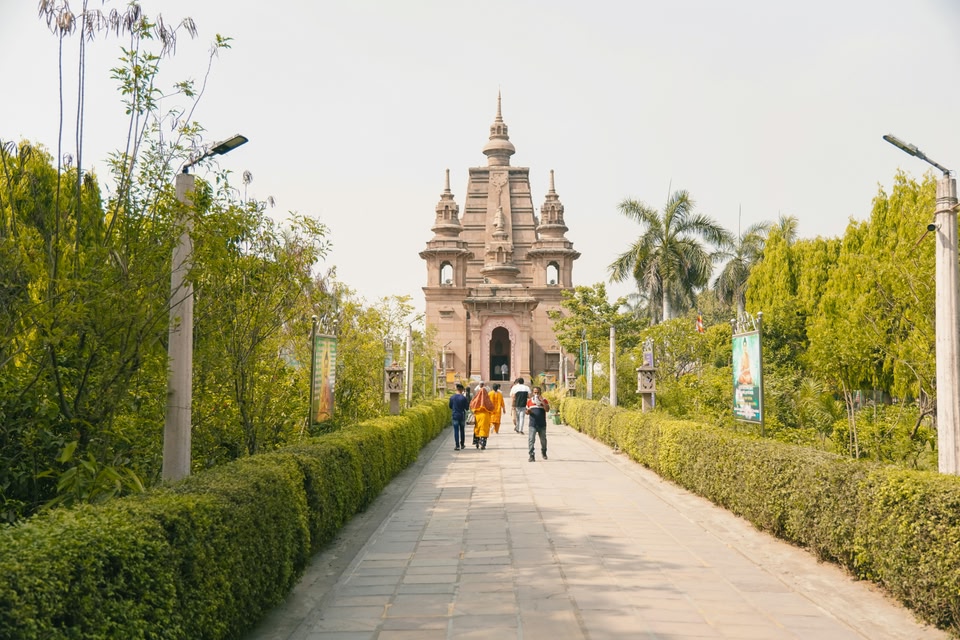
Just 10 kilometres from the ghats, Sarnath is an important pilgrimage site for Buddhists. Many believe that it was in this very town that Gautama Siddhartha first taught after reaching enlightenment, and it's an excellent place to visit if you want to learn about the history of Buddhism. The magnificent Dhamek Stupa, the Chaukhandi Stupa, the peaceful deer park and the Sarnath Archaeological Museum, which houses the original Ashoka Lion Capital (India's national emblem), make for a deeply moving half-day. Thai, Tibetan, Japanese, Chinese, Sri Lankan and Korean Buddhist temples surround the main Sarnath complex, each architecturally distinctive and each housing beautiful Buddha images in their national artistic tradition.
FAQs about visiting Varanasi
Before you pack your bags, read up on everything you need to know about the Kashi Vishwanath Temple, explore more iconic places to visit across India to extend your journey, or plan your next adventure by discovering India through its incredible regional food.


