Maldives holidays
Located in the middle of the Indian Ocean, this scattered archipelago is surrounded by some of the clearest water in the world. Holidays to the Maldives are about surrendering to island life in all its forms. From catamaran cruises and secluded beaches to diving in one of the largest coral reef systems on the planet, come explore a tropical getaway like no other.
Top destinations in Maldives
Maldives: fast facts
Language
Dhivehi
Currency
Maldivian rufiyaa (Rf)
Time zone
UTC+5
Maldives holiday highlights
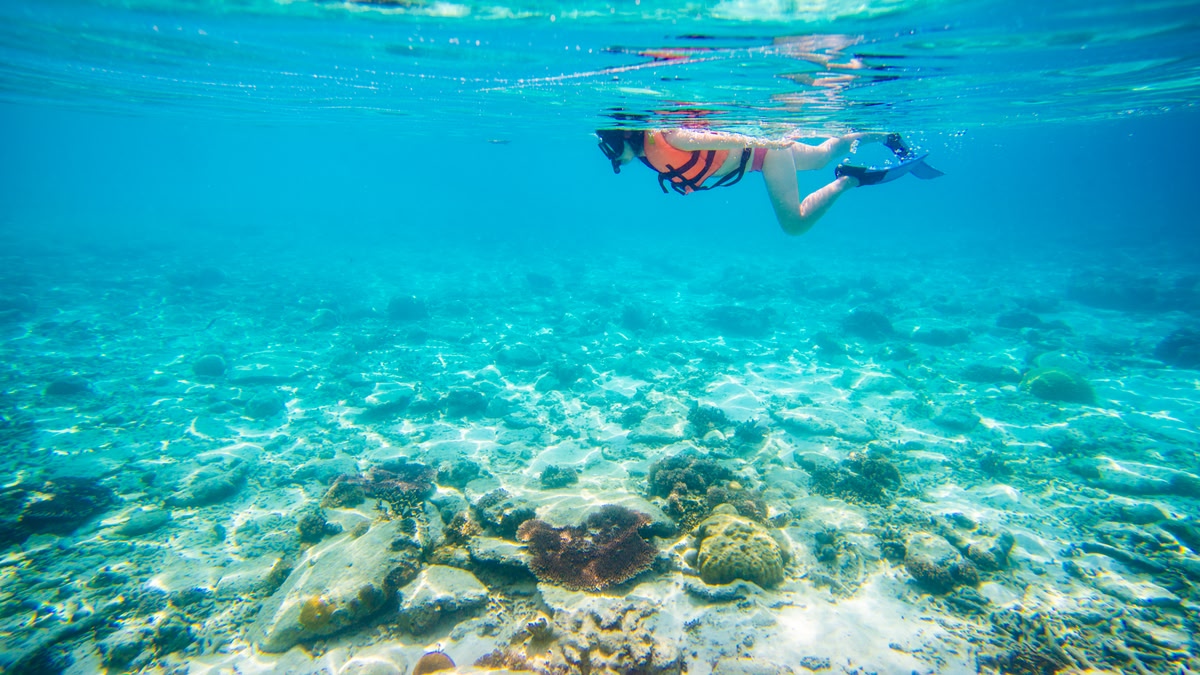
Go island hopping
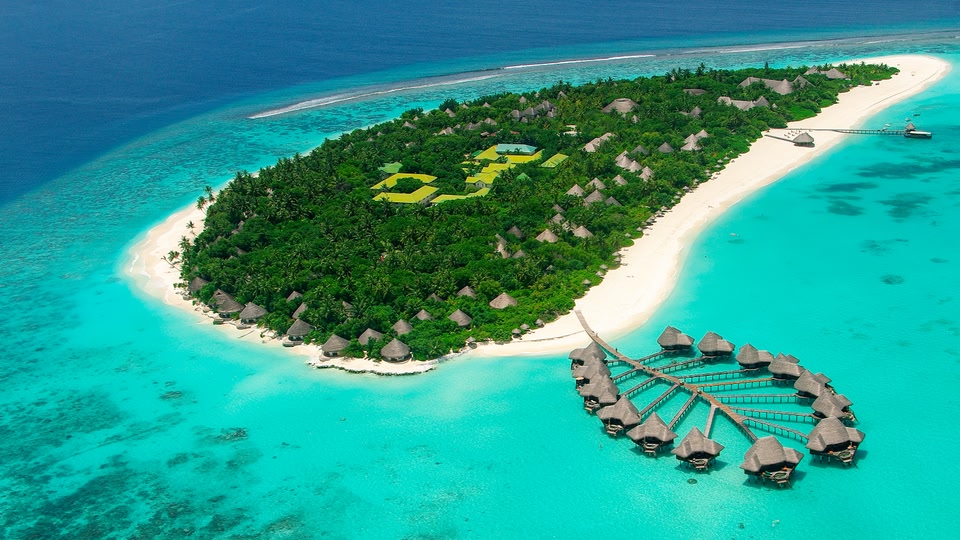
One of the most popular things to do in the Maldives is to explore its atolls — ring-shaped coral reefs, islands or islets. No matter which one you choose, you’re almost guaranteed a perfect spot to enjoy azure water, pristine beaches and world-class diving. Start with North and South Malé Atolls and Ari Atoll. But be sure to hop around to more because each atoll offers something special.
Hit the market
You can buy everything from local fish and betel leaves to mini Maldivian ‘dhonis’ (sailboats) and ‘thundu kunaa’ (woven mats) in Malé’s busy markets. Carve out time to stop at the local market on the north waterfront and on popular shopping streets such as Majeedhee Magu and Chaandhanee Magu. And don’t be afraid to haggle — it’s not only tolerated but expected.
Get in the water
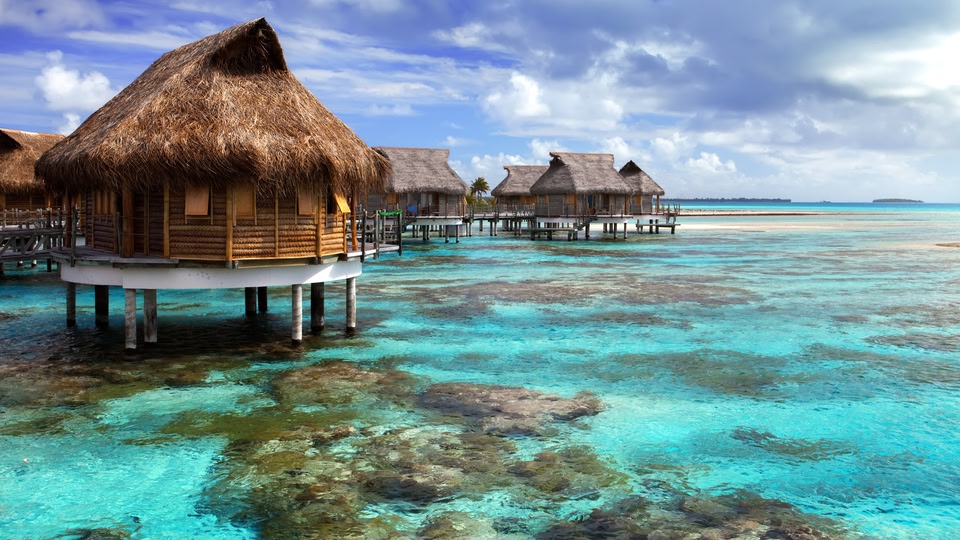
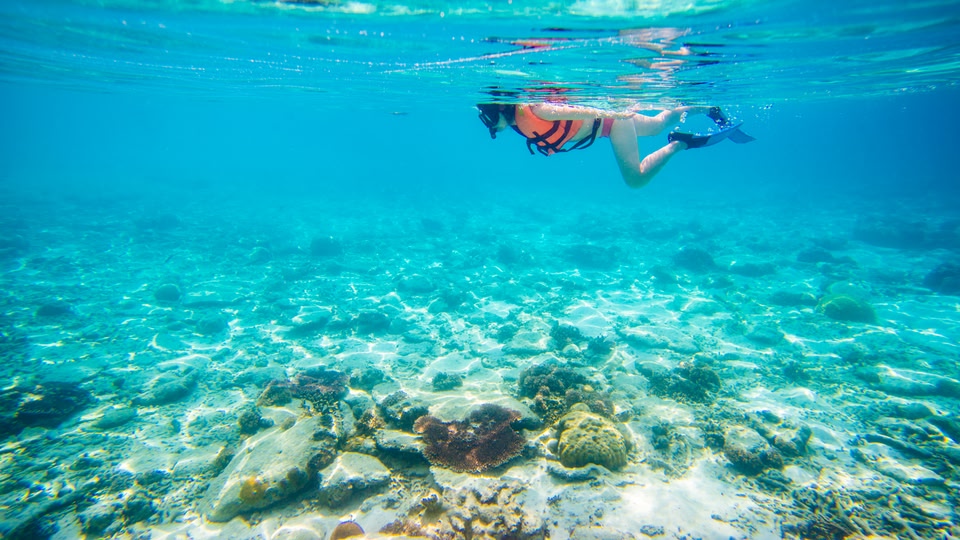
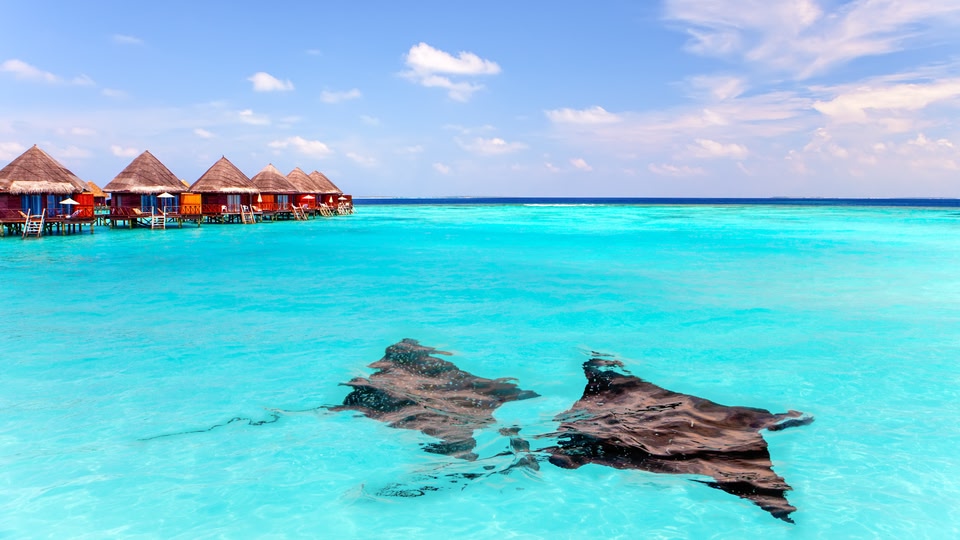
The remarkably clear blue water of the Maldives beckons you from the moment you land. Our advice is to let it lead the way. Try Ithaa, the world’s first underwater restaurant, and the thrilling Whale Submarine. Or splurge on one of the famous overwater bungalows here. Some of them feature glass floors for the best views of coral reefs and tropical fish.
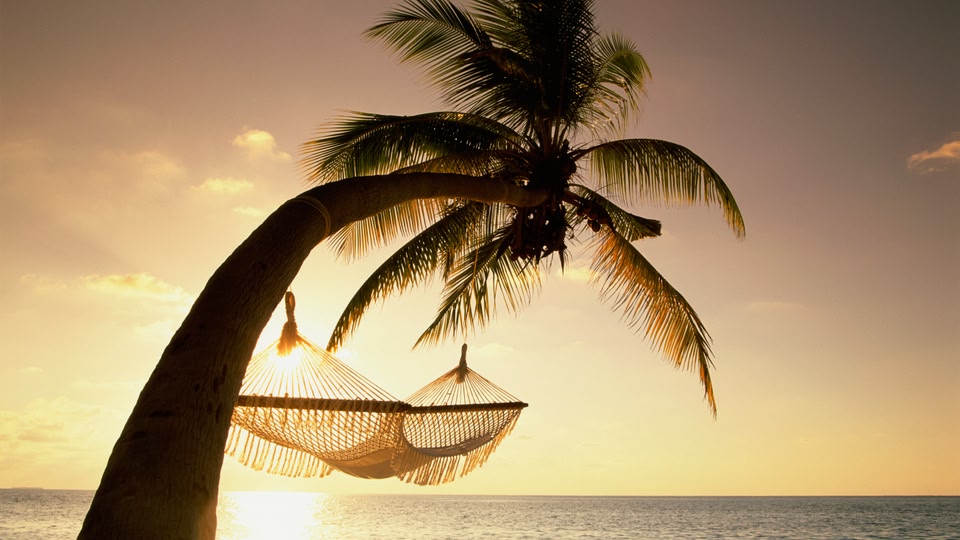
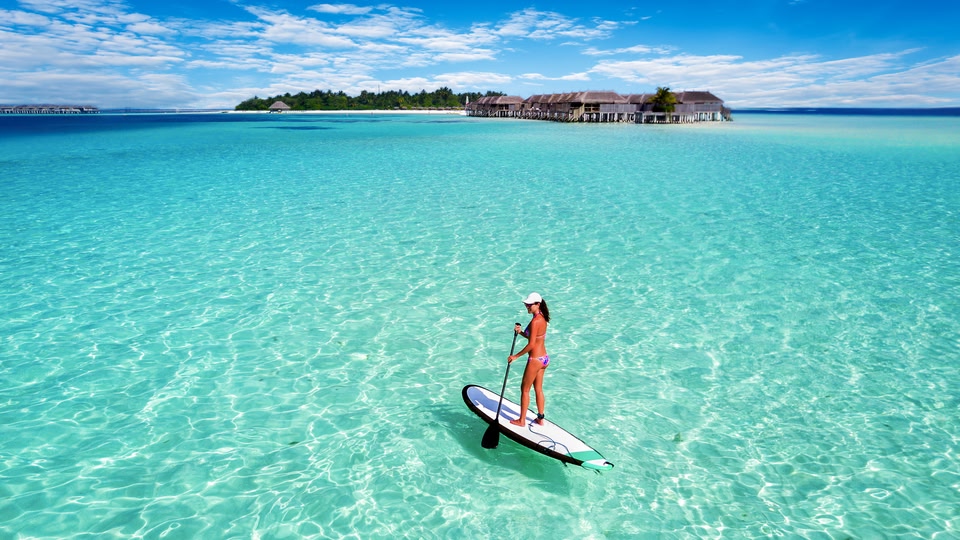
Things to do in Maldives
Top attractions
Explore the Baa Atoll Biosphere Reserve to see everything from coral reefs and manta rays to mangrove forests. You might even witness the famous ‘Sea of Stars’ phenomenon, when beaches are awash with bioluminescent plankton. Islamic heritage combines with beautifully carved coral stone at the Friday Mosque in Malé. And watch fishermen unload the catch of the day at Malé Fish Market.
Beaches
There are over 350 beaches in the Maldives. Some are for resort guests only, but there are also tons of public options. Fulidhoo is famous for ‘langiri’, a traditional folk dance performed with drums, while Feeali is known for its stunning soft sand and lighthouse. The beaches of Embudu are also gorgeous and popular with budget travellers. Be aware that bikinis are only allowed on certain beaches.
Nature
The Maldives is home to the seventh-largest coral reef system in the world, and that means a whole lot of sea life. You’ll spot everything from sea turtles and whale sharks to rays and colourful fish such as parrotfish and clownfish. Water temperatures are consistently warm, which is good news for divers. For beautiful mangroves and meadows, check out the Baa Atoll Biosphere Reserve.
Culture and museums
The National Museum is one of the most celebrated museums in the Maldives. Its galleries showcase the country’s rich cultural history, from ancient and medieval weaponry to more modern treasures. And sights such as ‘Hukuru Miskiy’ (Friday Mosque) in Malé and Isdhoo Old Mosque are examples of intricate Maldivian coral stone architecture. These are active sites of worship, so remember to act respectfully if you visit.
Cuisine
Restaurants in the Maldives often feature fish and rice dishes inspired by Indian and Sri Lankan cuisine. Recipes with coconut, curry and chillies are very popular. Keep your eyes peeled for ‘chapati’, a traditional flatbread. Locals use it to sop up their ‘garudhiya’ (tuna broth) and ‘rihaakuru’ (a fish-based paste). For a quick beach snack, don’t miss savoury or sweet ‘boakibaa’ cakes.
Family friendly
Make the Indian Ocean your playground at Siyam Water World, a water park on Noonu Atoll. The Whale Submarine takes you on an underwater cruise through a coral reef west of Malé. Want to give back to the ocean? Learn about conservation with coral reef planting activities, offered on Milaidhoo and other resorts around the Maldives.
Find the best time to visit Maldives
Weather in Maldives
May – November: The wet season is marked by hot, humid days and lots of rain. The weather can be unpredictable, with clear skies one minute and rain showers and heavy winds the next. Though torrential downpours are rare, Malé often experiences flooding even after a moderate rainstorm.
December – April: Much of this period falls in what’s known as the northeast monsoon season. But don’t let the name fool you –– it’s really the dry season and the best time to visit the Maldives for underwater adventures. Winds from the northeast bring clear skies and calm seas, and the temperature stays balmy year-round. March and April are usually the hottest months, with average highs around 30°C.
Events in Maldives
Independence Day (July): On 26 July, Maldivians mark the nation’s independence from British colonial rule with parades and performances. Celebrations are held all over the islands, but Republic Square in Malé is at the centre of the action, the streets alive with music and parties all night long.
Kuda Eid (varies): Celebrate the end of Ramadan, the Islamic month of fasting, with feasts, dancing and games. Traditional treats include a special version of traditional ‘boakibaa’ fish cakes.
Eid Baibalaa Challenge (varies): Baibalaa, a uniquely Maldivian sport that mixes volleyball and wrestling, is rarely played outside the islands. The biggest match takes place in Hulhumalé in the week after Eid, drawing crowds for this lively local tradition.
Know before you go
Getting around Maldives
Public transportation
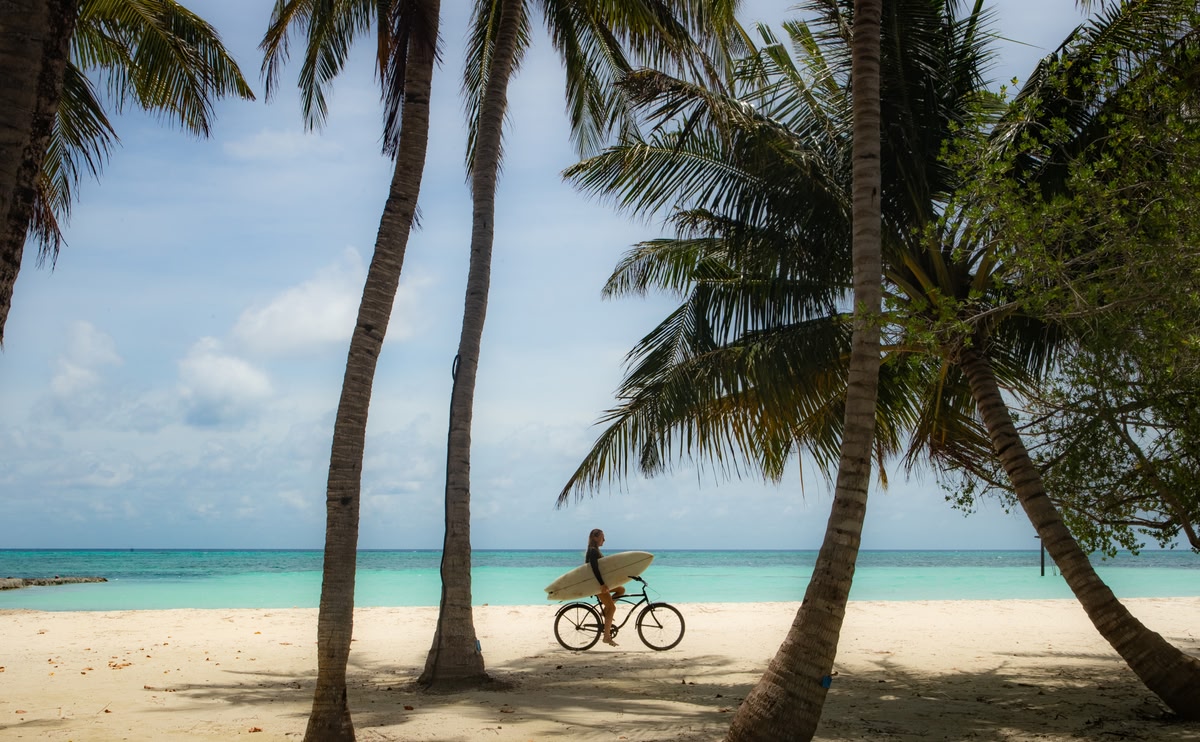
Buses: The Raajje Transport Link (RTL) provides bus service around Malé, Hulhumalé and Velana International Airport. It also operates minibus routes on other atolls, including Laamu.
Boats: Public ferries operated by MTCC, also known as ‘slow dhoni’, are the most affordable way to island-hop through the Maldives. Service runs from the Malé Ferry Terminal to outlying local atolls. Public speedboat ferries are also available. Some less popular routes run only a few times a week, and no public ferries run on Fridays. Private speed boats service private islands but are significantly more expensive.
Domestic flights
Flying is one of the most efficient ways to island-hop in the Maldives. Domestic airlines such as Maldivian and Manta Air offer interisland flights, with most journeys lasting under two hours. If you’re staying on a private island, you’ll likely fly into the nearest domestic airport and then transfer to a speedboat. For resort transfers, seaplanes operated by Trans Maldivian Airways provide direct access and amazing views, but service is not cheap.
Driving
Driving is uncommon in the Maldives, where most islands are small. But if you do want to get behind the wheel, you’ll need to pick up a local driving permit.
FAQs about Maldives holidays
More holiday inspiration

Do I need a visa travelling from India?

Flight cancellations and delays: What to know about claiming compensation


