Historic Centre, Florence guide

From Michelangelo’s David to the Duomo, Florence’s Historic Centre is a showcase of Renaissance art and architecture so well preserved it’s earned UNESCO World Heritage status. Yet its fashionable streets, buzzing restaurants and stylish cocktail bars give the neighbourhood a fresh energy. Use this guide to the Historic Centre to explore the best of old and new.

Historic Centre highlights
Historic architecture

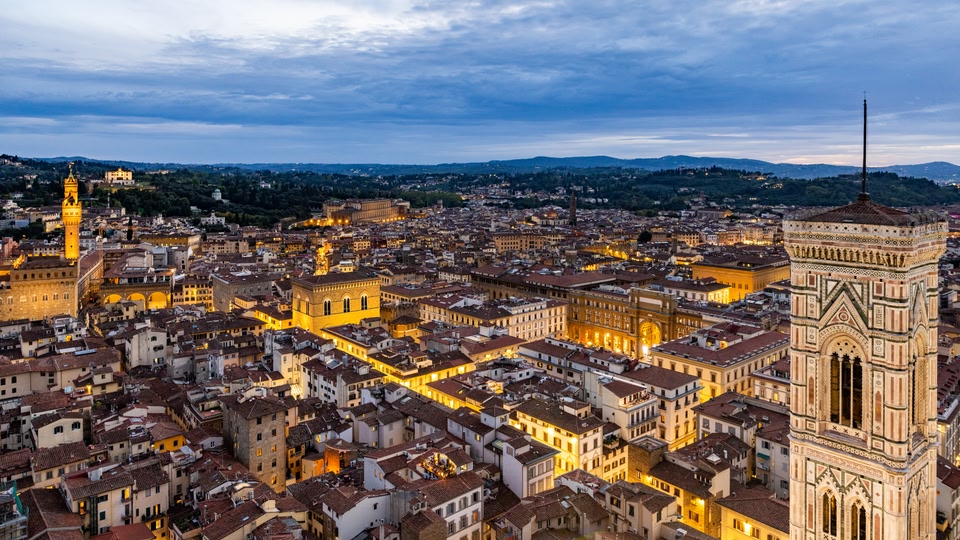
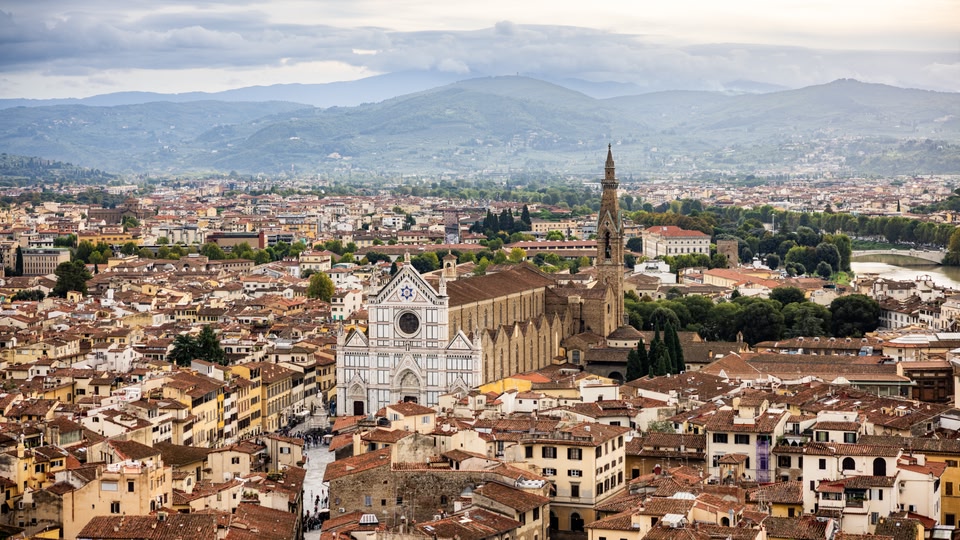
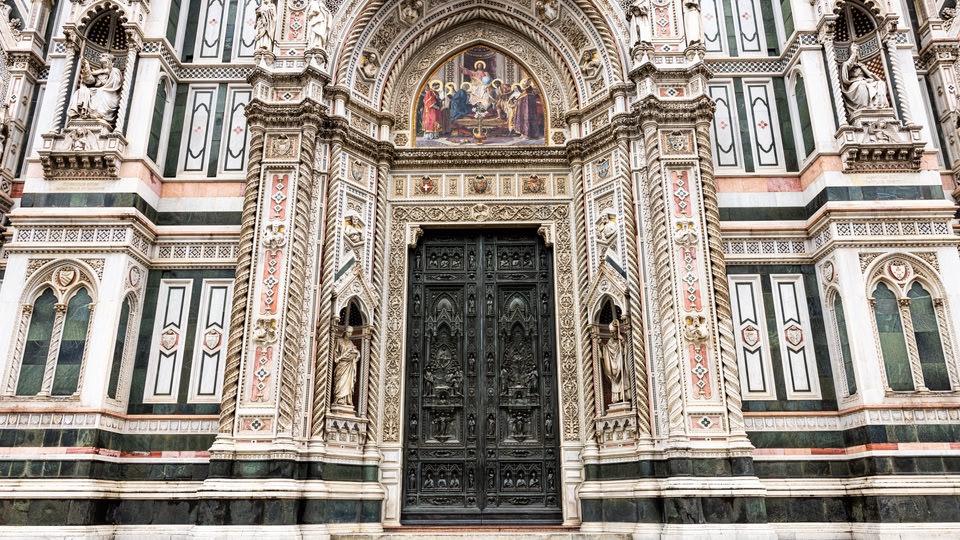
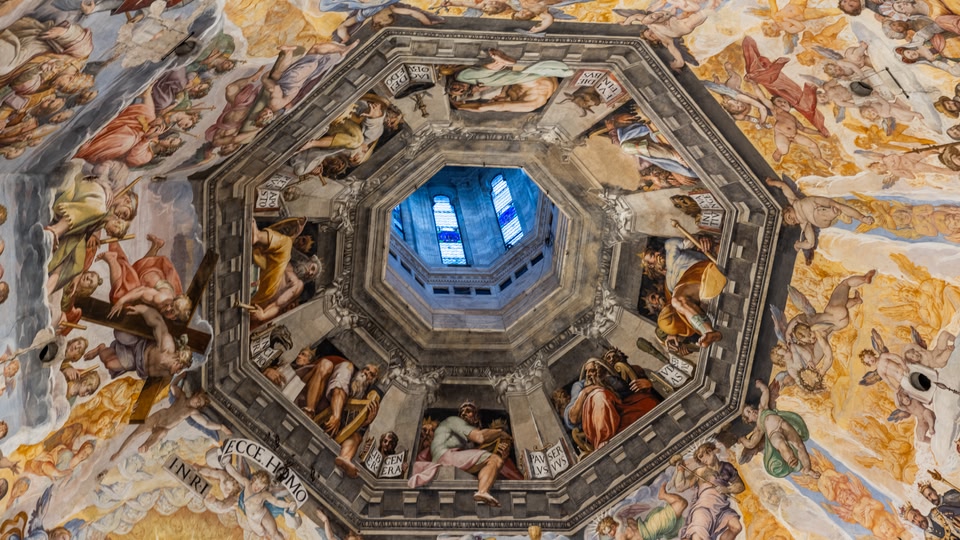
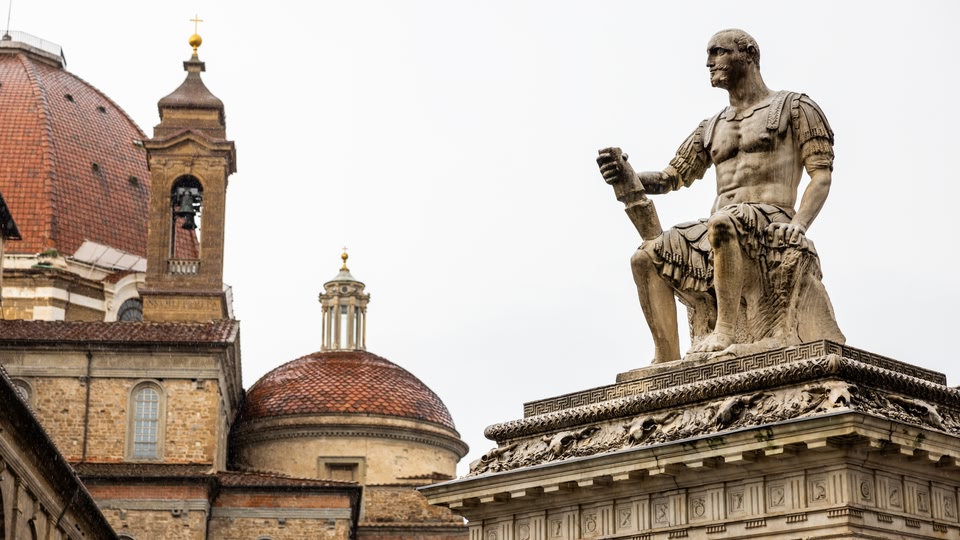
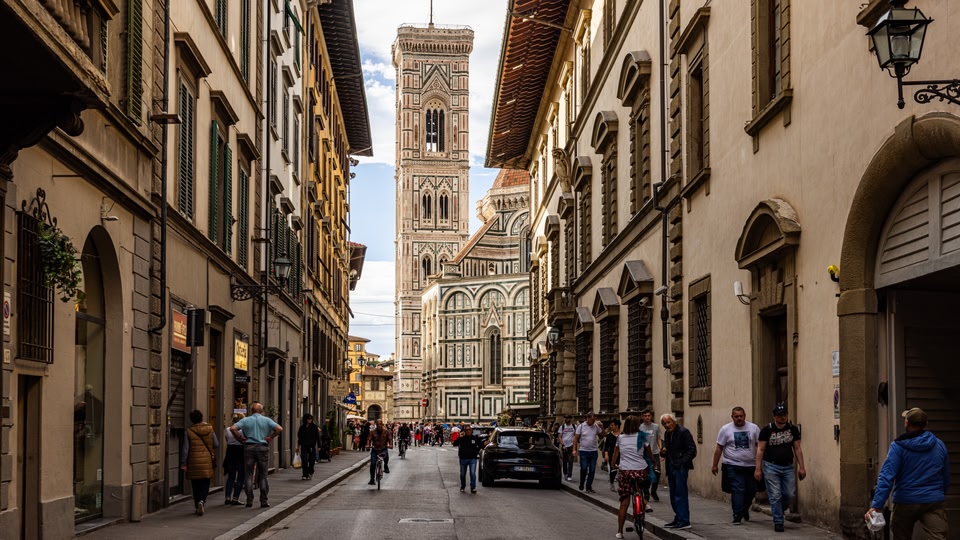
The red dome of Santa Maria del Fiore (known as the Duomo) may be the city’s best-known landmark, but the rest of the building’s Gothic architecture is equally impressive. Inside the Basilica of Santa Croce, remarkable frescoes line the walls. And while the 15th-century Basilica of San Lorenzo may look relatively subdued from the outside, the interior stuns with imposing columns and friezes.

Renaissance icons

Some of the most famous artworks in the world can be found here. Many visitors travel to the Uffizi Gallery just to see Botticelli’s ‘The Birth of Venus’ or Leonardo da Vinci’s ‘Annunciation’. A short walk away, at the Accademia Gallery, Michelangelo’s 5-metre-tall marble sculpture of David gets the paparazzi treatment by thousands of visitors daily.

Piazza culture

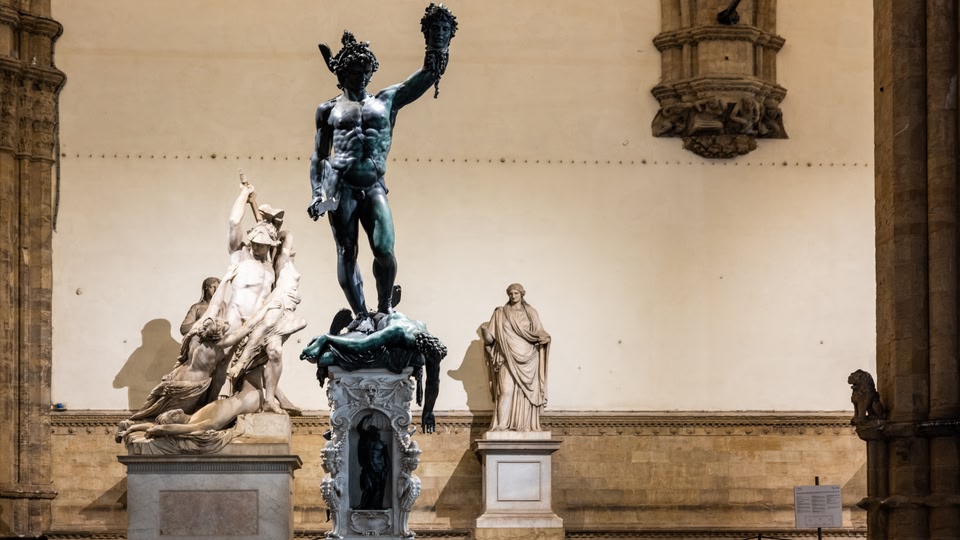
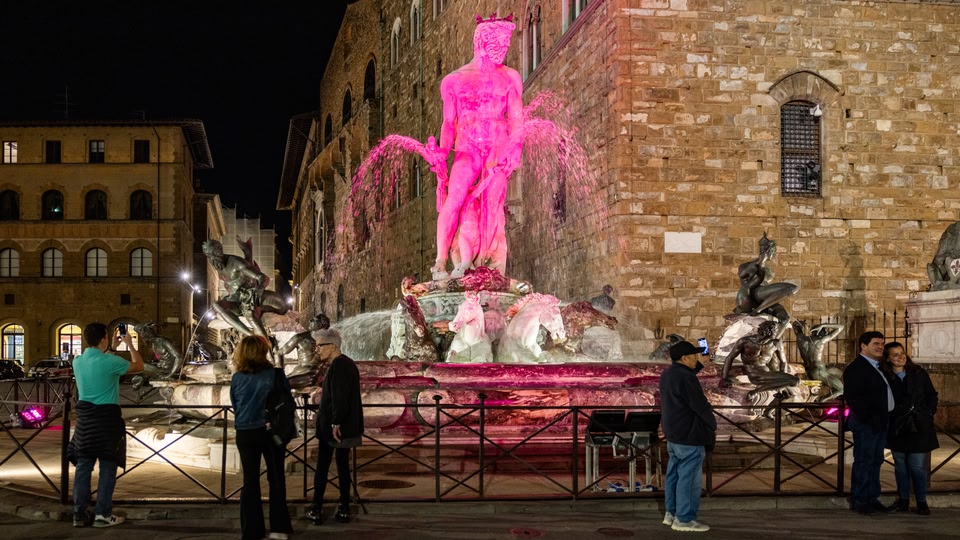
Some of Florence’s most memorable experiences are free — just spend time in its lively piazzas and soak up the atmosphere. The Piazza del Duomo is the city’s beating heart, framed by architectural icons and alive with street performers. Nearby, the Piazza della Signoria feels like an open-air museum, with historic monuments, fountains and statues at every turn.

Things to do in Historic Centre

Family-friendly

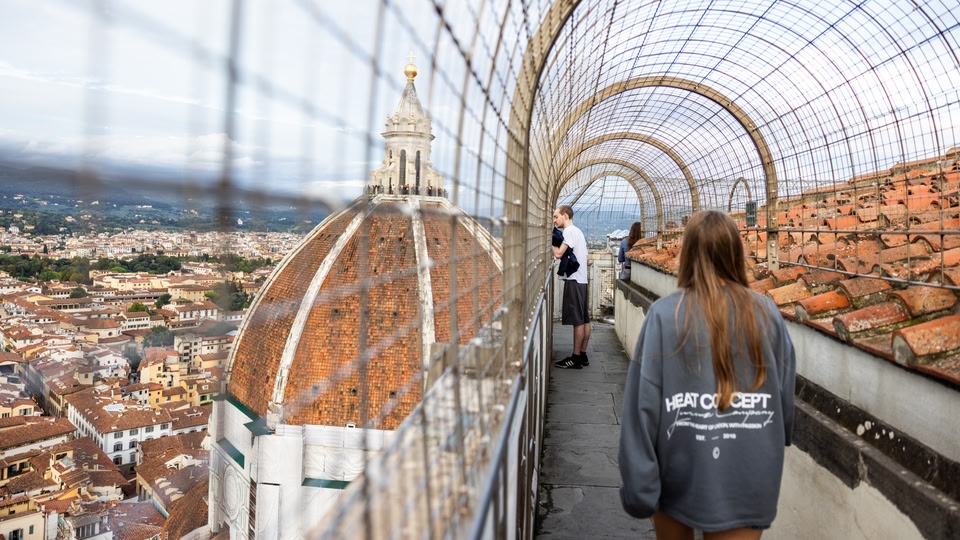
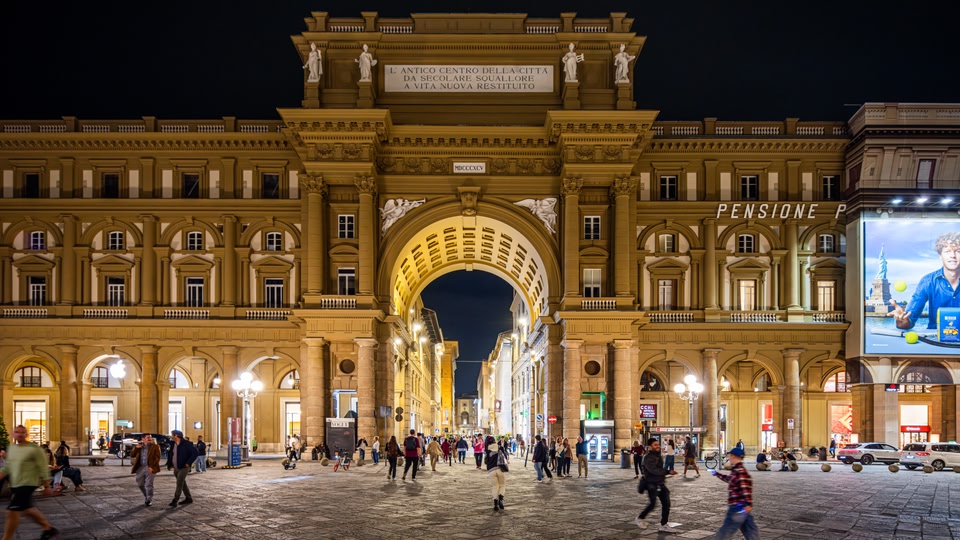
Florence’s Historic Centre is full of family fun, from kid-friendly museums to playful piazzas. Grab a gelato and ride the antique carousel in Piazza della Repubblica, or tackle the 463 steps of the Duomo for sweeping views. Don’t miss Mercato Nuovo’s bronze boar, Porcellino — drop a coin in its jaws for good luck!

Museums and culture

Don’t risk missing Florence’s masterpieces — book tickets to the most popular museums in the Historic Centre in advance. The Accademia and Uffizi galleries can be very crowded in peak season, so book early and expect lines. For something different, head to Palazzo Strozzi, which stages acclaimed rotating exhibitions ranging from Renaissance masters to cutting-edge modern art.

Restaurants

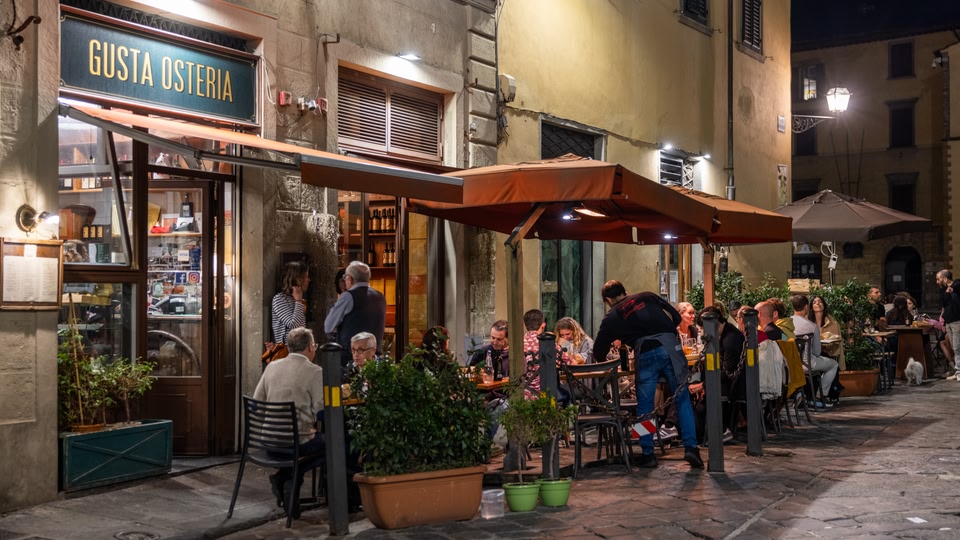
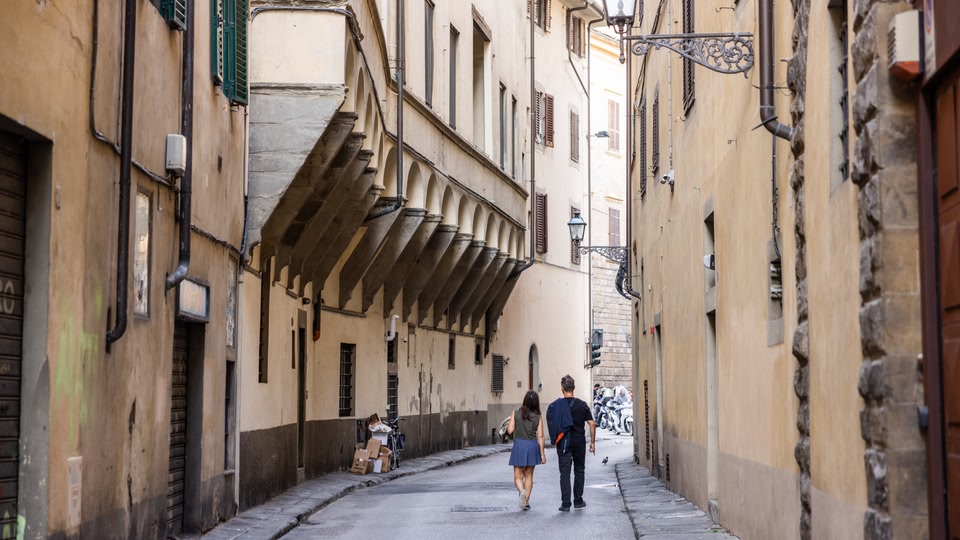
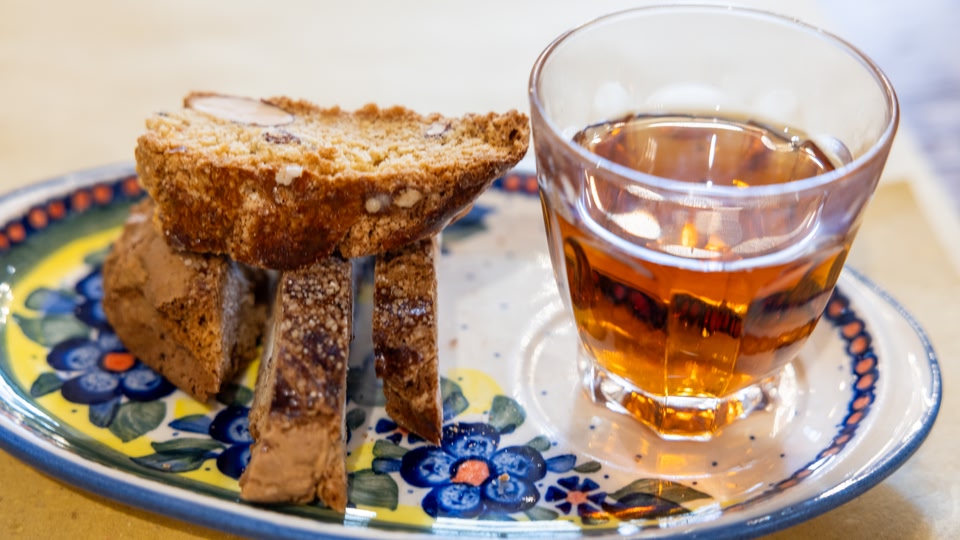
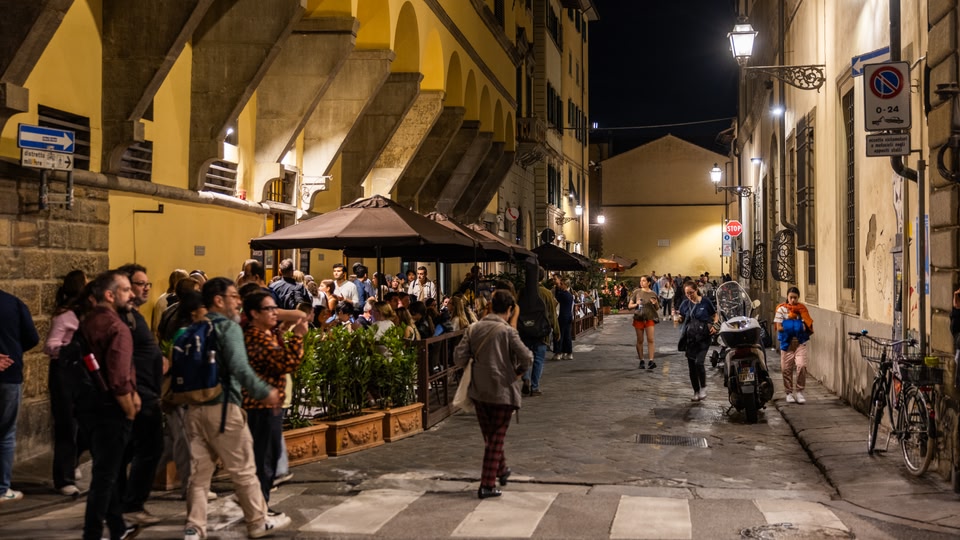
There are countless places to eat around the main tourist spots, with eager hosts beckoning you to come in. But the best restaurants in the Historic Centre are typically the lower-key spots found on the side streets. Don’t leave the city without trying Tuscan specialities like Florentine steak (prepared rare, as is tradition) and ‘ribollita’ soup, made with chunks of bread and vegetables.

Nightlife

Nightlife here is more about communing over an aperitivo than clubbing into the morning. Traditional wine bars, known as ‘enotecas’, are everywhere. Rooftop bars offer skyline views to go with your Negroni (reportedly invented in Florence). Trendier cocktail joints have popped up over the years, with mixologists serving up creative drinks in high-fashion settings.

Shopping

The Historic Centre’s shopping scene is a mix of ancient crafts and 21st-century luxury. Head to Via de' Bardi and Via di San Niccolò for an artisan-made souvenir, be it hand-marbled paper or a leather bag that will last a lifetime. And you’ll find high-end Italian fashion brands along Via Roma and Via de' Tornabuoni.

Events

Easter Sunday here is spectacular, with a procession culminating in a fireworks show from an antique wagon. Carnevale (February) and Florentine New Year (March) also bring major parades and revelry in the streets. The Calcio Storico (June) revives a medieval precursor to football in the Piazza Santa Croce, with thousands of spectators cheering on players in historical garb.

FAQs about Historic Centre holidays

The neighbourhood is quite safe. While violent crime is rare, pickpocketing and street scams do occur, especially around tourist hotspots. Be aware of your surroundings and keep your belongings close.
The hotels and restaurants in the Historic Centre are generally the most expensive in the city. But many visitors decide it’s worth paying a premium for the privilege of being so close to the major sites.
The best time to visit is in the shoulder seasons of autumn and early spring, when the weather is mild and the crowds are manageable. Christmas lights and markets in the major piazzas also make winter a lovely time to visit if you don’t mind bundling up.