Louisiana holidays
Holidays to Louisiana let you experience sights, sounds and flavours that exist nowhere else in the US. This former French territory is a joyous melting pot where you can hear Cajun music, taste Creole cooking and join in the world-famous Mardi Gras celebrations. Visit cities bursting with colour and creativity. Or take in the lush landscapes, from the fertile hills of the north to the wildlife-filled bayous in the south.
Top destinations in Louisiana
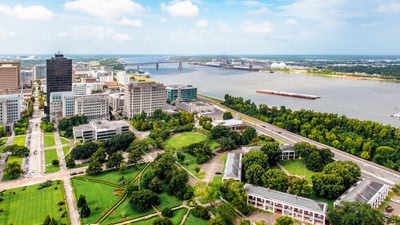
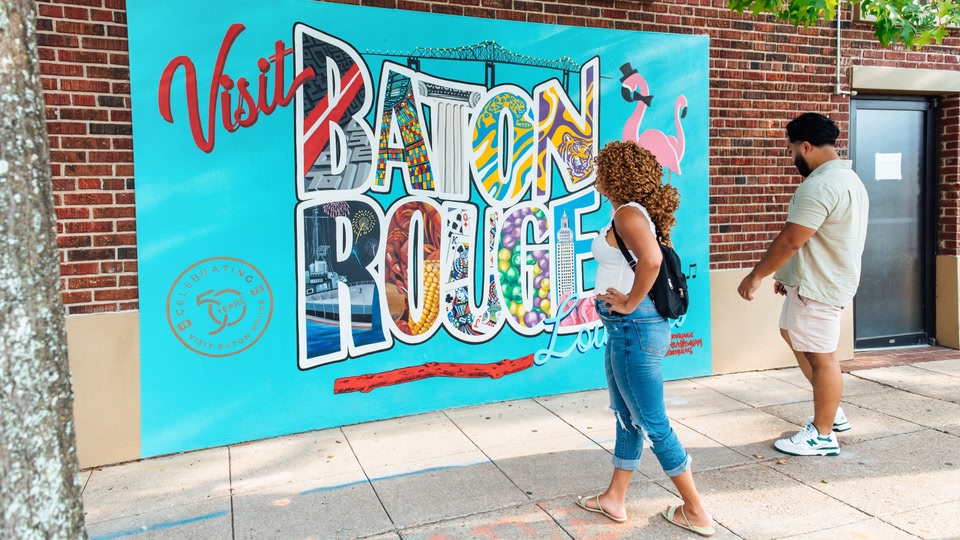
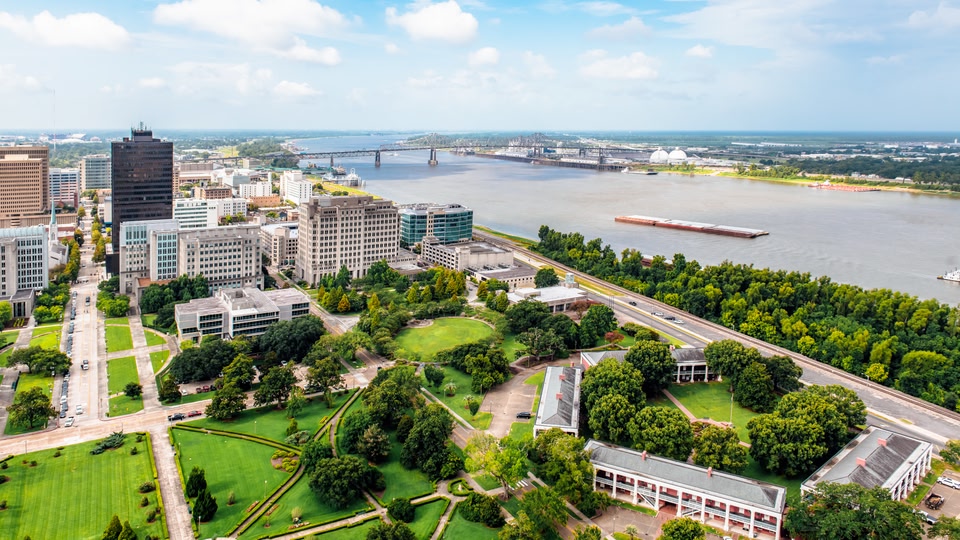
Baton Rouge
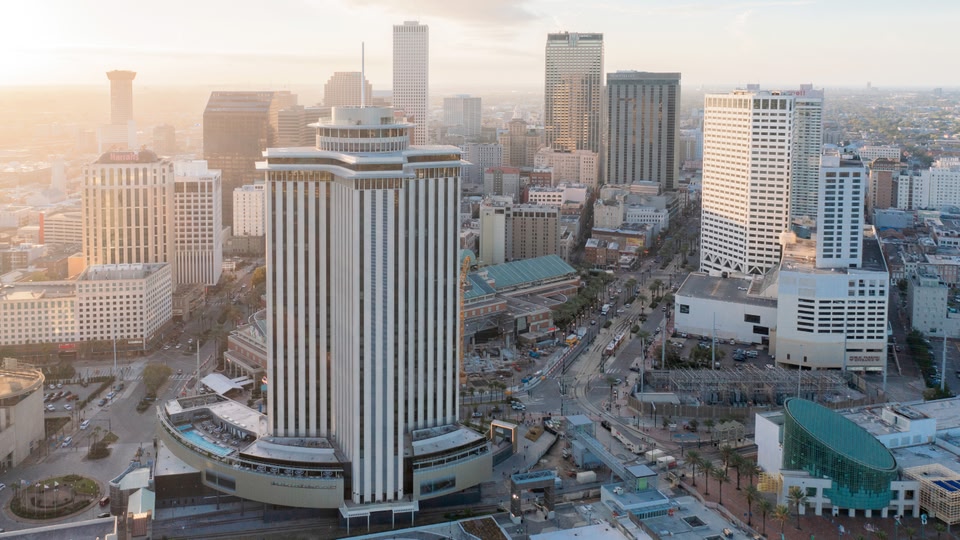
Louisiana’s capital delivers you to the heart of the Mississippi River. From blues bars and river strolls to some of the best Cajun food in the state, here’s what’s cooking in Baton Rouge.
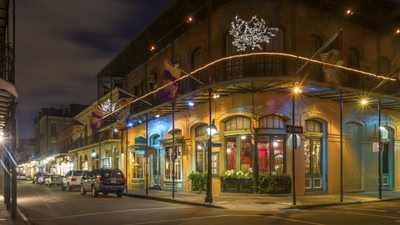
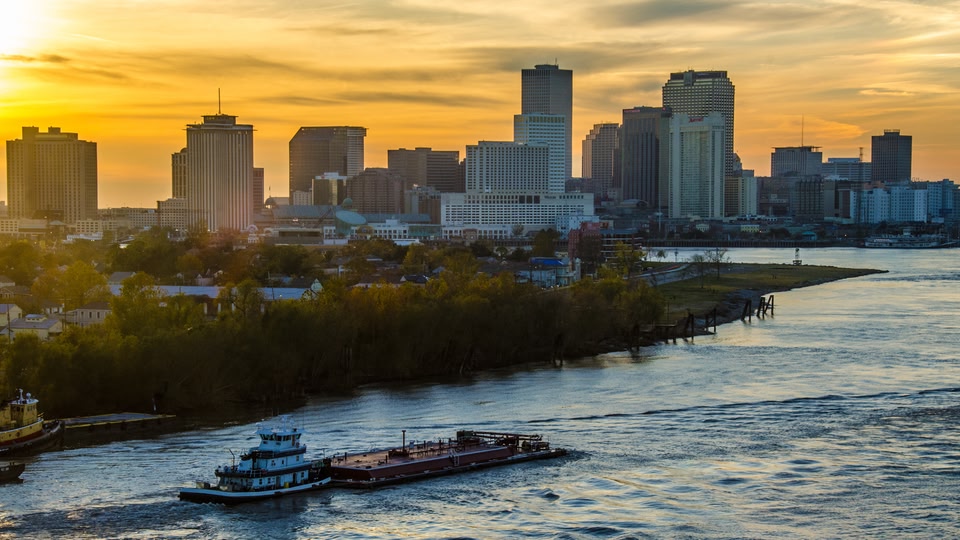
New Orleans
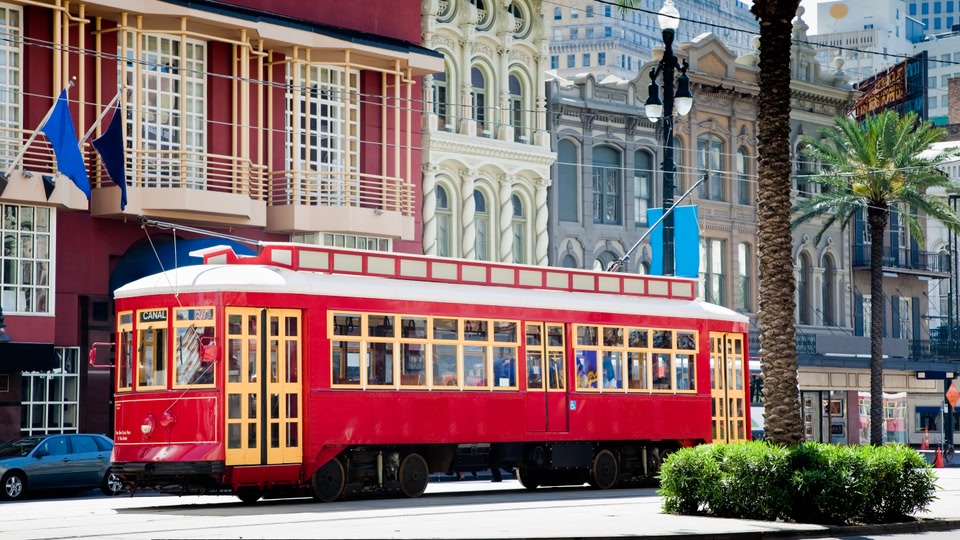
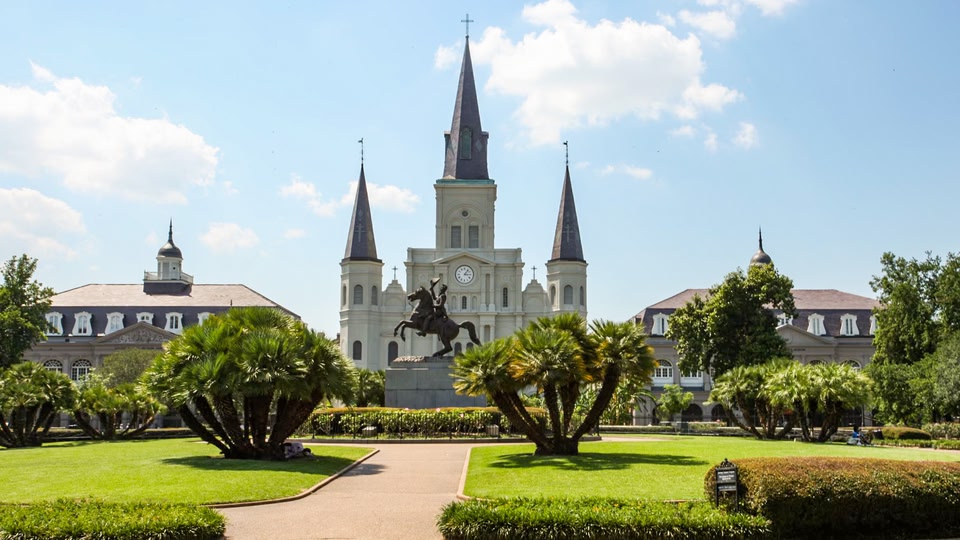
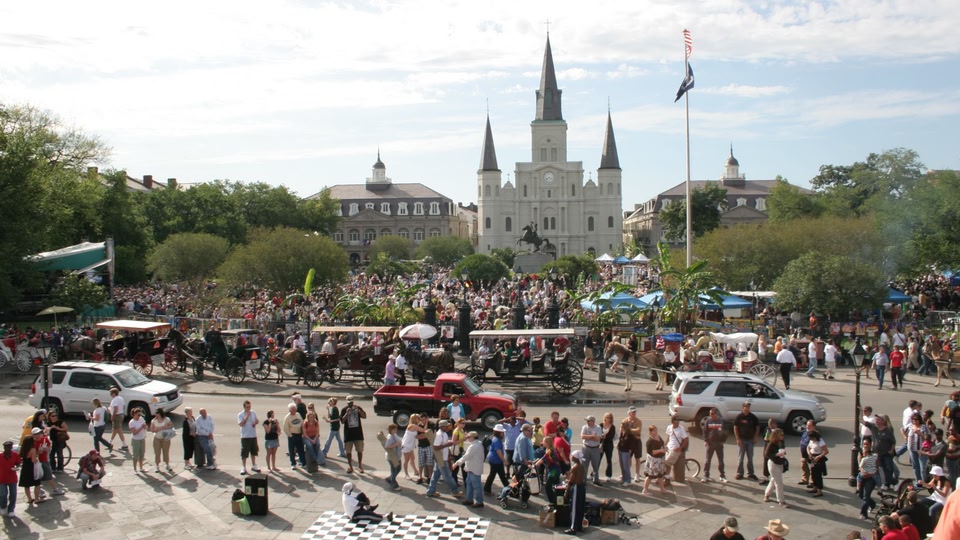
From the timeless charm of the French Quarter to the oldest African American neighbourhood in the US, see why there’s no place quite like New Orleans.
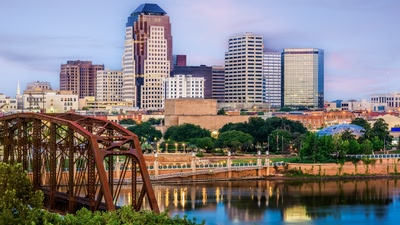
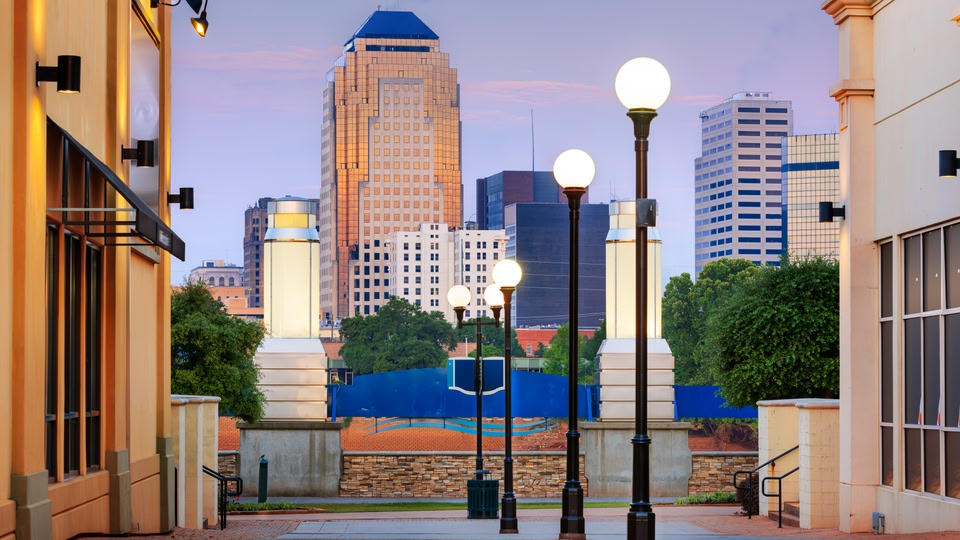
Shreveport
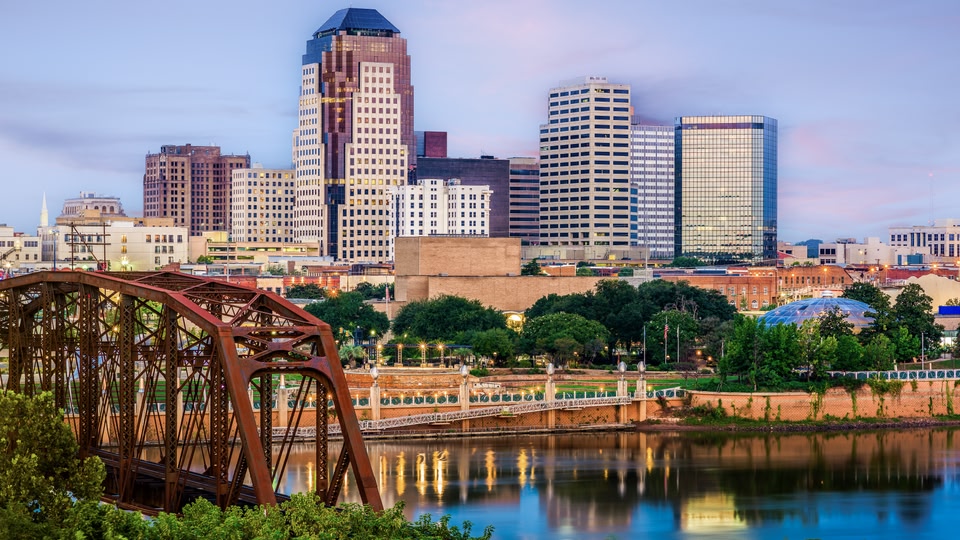
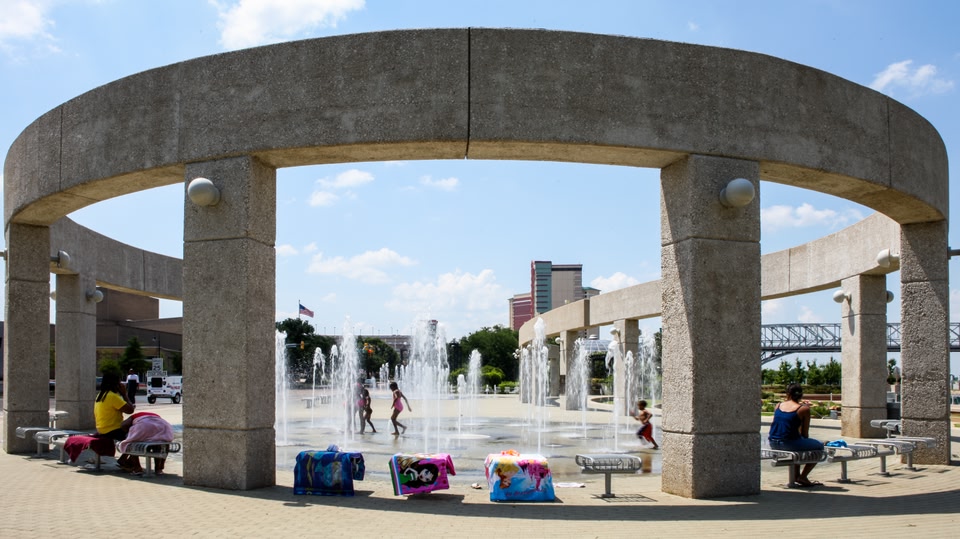
Louisiana’s third-biggest city wants you to have a good time, whether it’s the grown-up fun at its floating casinos or family days at riverfront attractions.
Louisiana: fast facts
Language
English
Currency
United States dollar ($)
Time zone
New Orleans - UTC−6 (CST) and UTC−5 (CDT)
High season
February – April; October – November
Low season
June – September
Louisiana holiday highlights
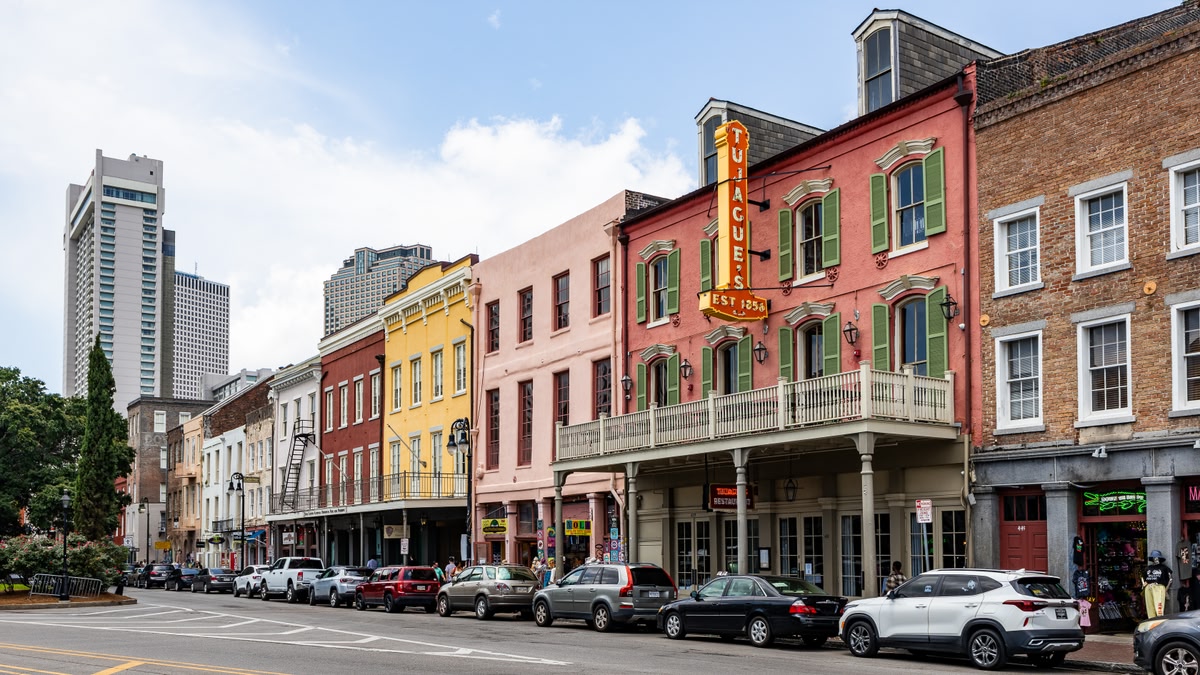
Follow the music
Music is everywhere in Louisiana. In New Orleans, the melody is carried from street parades in the French Quarter to intimate jazz clubs in Tremé. Baton Rouge is well known for its blues festival and singer-songwriter scene, while Lafayette and the south of the state are where to hear the Cajun and zydeco bands you’ll find nowhere else.
Tour the bayous
The state’s bayous — slow, still waters that spread from the Mississippi Delta to the gulf — are some of the most unique things to see in Louisiana. Take a boat out on their dark swamps and bird-filled marshland. Kayak or canoe through endless cypress trees draped in Spanish moss, or join an airboat tour through the Atchafalaya Basin, the largest swamp in the US.
Visit Cajun Country
When the British expelled the French from Nova Scotia in the 18th century, many resettled in southwest Louisiana. Take a road trip through ‘Acadiana’, and you’ll be immersed in the sounds, smells and tastes of Cajun culture. Explore the pastoral landscape, check out the eclectic art scene, or join a ‘fais-do-do’ — a Cajun dance party accompanied by accordion and fiddle music.

Things to do in Louisiana
Top attractions
Home to incredible wildlife, the vast swamps and water prairies of Atchafalaya Basin are best explored with a guided tour. The Whitney Plantation offers a powerful look at the history of slavery. In Baton Rouge, Louisiana’s Old State Capitol resembles a medieval castle, complete with a breathtaking stained-glass ceiling inside.
Beaches
With warm waters and few crowds, Louisiana’s beaches might be its best-kept secret. On the sweeping stretch of coast along the Gulf of Mexico known as the ‘Cajun Riviera’, you’ll find plenty of soft, white sand. The barrier island of Grand Isle has surfing and deep-sea fishing. And there are plenty of water sports at the state park lakes.
Nature
Louisiana’s landscape teems with life. No US state can claim more alligators — see them up close on a swamp tour alongside salamanders, lizards, snakes, turtles and more. Millions of migratory birds flock to the Gulf Coast each year, while the heron, spoonbills and pelicans are permanent residents. At state forests, spot bobcats, beavers and black bears.
Cuisine
You’ll encounter plenty of seafood at the restaurants in Louisiana. Gulf prawns and crayfish are a staple of Cajun cuisine, found in everything from po’boy sandwiches to rice-based jambalaya and stew-like ‘etouffee’. Boudin, a French sausage, is another favourite here, while gumbo is a jumble of stock, meat and vegetables. For a sweet treat, try ‘beignets’, fried pastries topped with sugar.
Culture and museums
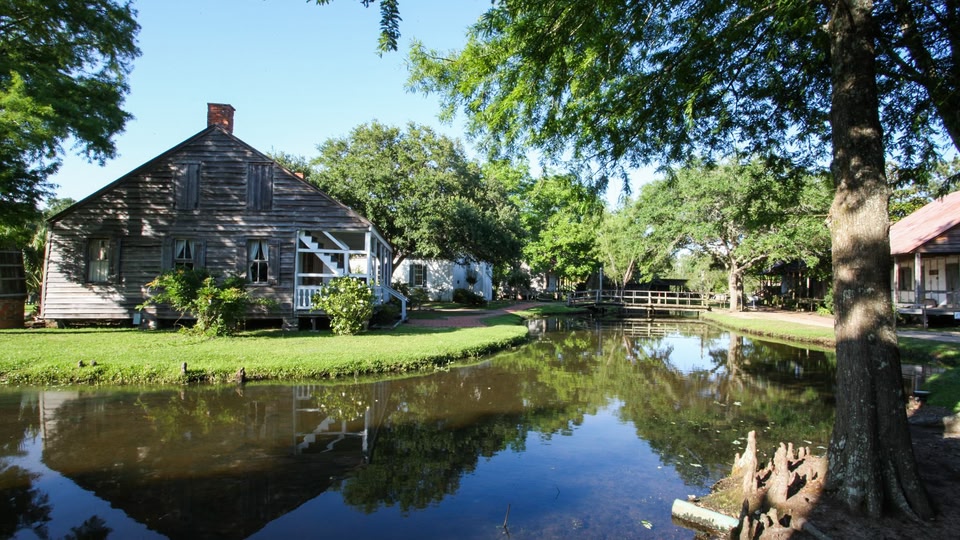
From Acadian and African to French-Iberian and Native American, Louisiana’s rich cultural mix is what makes it so special. The best museums in Louisiana include an open-air recreation of 19th-century village life, voodoo collections and the cafe where outlaws Bonnie and Clyde ate their last meal. There’s great art in the cities too — Lafayette and New Orleans are home to dozens of galleries and outdoor installations.
Nightlife
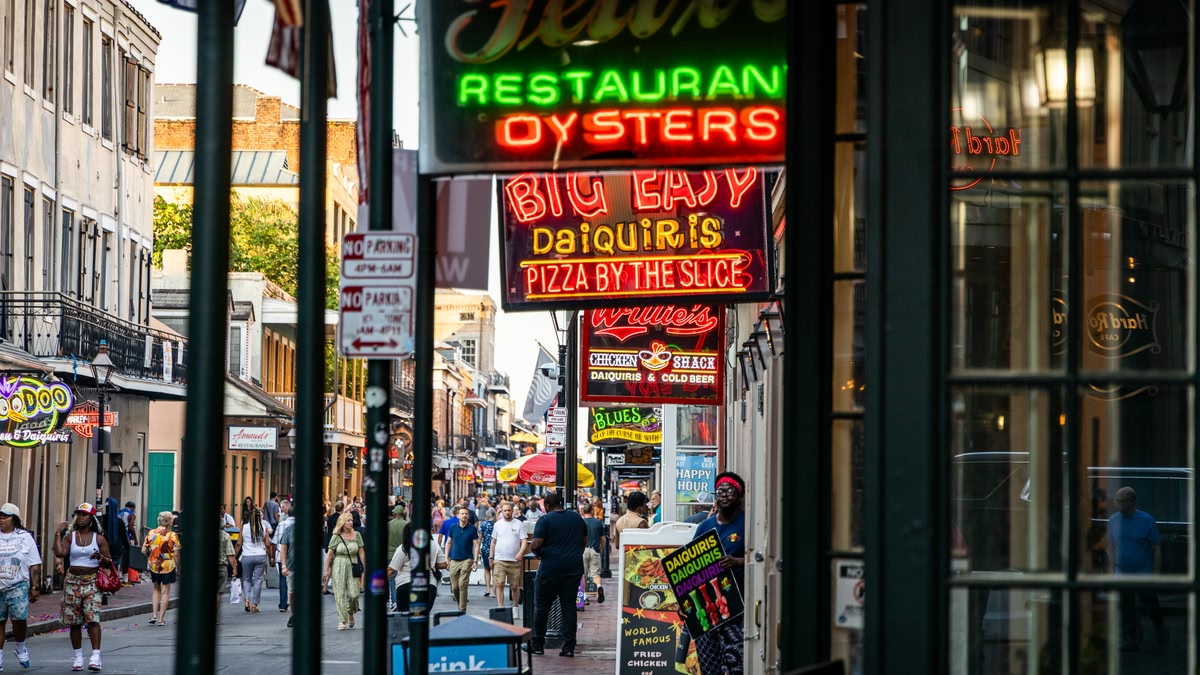
From the legendary jazz joints in Tremé to the swamp blues bars of Baton Rouge, the nightlife in Louisiana is all about the soundtrack. In riverboat casinos and along New Orleans’ French Quarter, the party starts early and goes until the sun comes up. Or check out some of the state’s listening rooms — cosy venues for catching intimate live performances.
Find the best time to visit Louisiana
Weather in Louisiana through the year
March – May: Spring starts early in Louisiana. Mardi Gras season draws the crowds, and the warmer weather is perfect for parades and festivals.
June – September: Louisiana’s long summers can be as swampy as the bayou itself, with lots of heat and humidity. Temperatures regularly top 32°C. To beat the heat, try a classic New Orleans ‘sno-ball’, a refreshing shaved ice treat flavoured with colourful syrups.
October – November: Hurricane season runs through November, but this is still one of the best times to visit Louisiana. Expect warm days, crisp nights and clear skies — perfect weather for festivals and outdoor exploring.
December – February: Winter is short and mild. Temperatures along the Gulf rarely drop below freezing, but the north of the state gets colder.
Events in Louisiana
Mardi Gras (January to February): New Orleans is one of the best places in the world to celebrate Mardi Gras. ‘Krewes’ parade through the streets with elaborate costumes and floats.
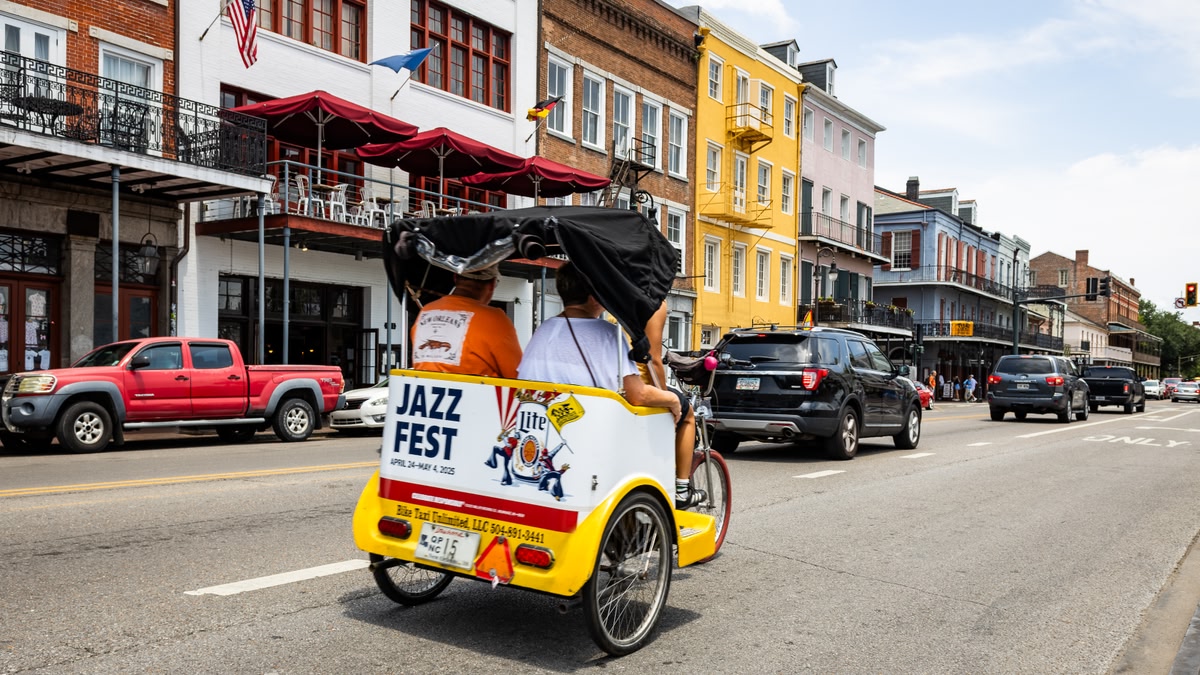
New Orleans Jazz & Heritage Festival (April to May): One of the city’s biggest celebrations, Jazz Fest features hundreds of performances across every genre. Alongside the music, enjoy local food, crafts and the lively spirit of New Orleans.
Breaux Bridge Crawfish Festival (May): Celebrate a cornerstone of Cajun cooking in the ‘Crawfish Capital of the World’, featuring étouffée cook-offs and a crawfish-eating contest.
Festivals Acadiens et Créoles (October): Cajun and Creole heritage is the star of this Lafayette festival. Dance to zydeco, sample bayou cooking and browse crafts from local artisans.
Know before you go
Getting around Louisiana
Public transport
Buses: You’ll find regional transit systems in Baton Rouge, Shreveport and New Orleans. Greyhound is your best bet for longer hauls, but service is limited.
Trains: Amtrak routes from New Orleans take you across the country. Travel to Chicago via the City of New Orleans line or to Los Angeles on the Sunset Limited. All make limited stops within Louisiana.
Boats: Hop on a river cruise to explore Louisiana from the mighty Mississippi. Dinner cruises take only a few hours, but some trips go as far north as Saint Paul, Minnesota.
Domestic flights
New Orleans has the state’s largest airport, with domestic connections and a few direct international flights. Smaller airports in Shreveport and Baton Rouge have more limited flights. Both offer flights to major hubs in Dallas and Houston, but you won’t find a direct connection to New Orleans.
Driving and car hire
The Creole Nature Trail stretches 290 kilometres from the Texas border, along the Gulf Coast and up to Lake Charles. Nicknamed ‘Louisiana’s Outback’, it’s a scenic drive filled with chances to spot wildlife and explore wetlands. Keep in mind that movable bridges cross many waterways here and occasional openings can slow traffic.
FAQs about Louisiana holidays
More holiday inspiration

Do I need a visa travelling from India?

Flight cancellations and delays: What to know about claiming compensation


