North Carolina holidays
From food-obsessed Asheville to the laid-back beach vibes of the Outer Banks, the ‘Tar Heel State’ showcases the best of the American South. On your holiday to North Carolina, experience the ancient Appalachian Mountains to the west, the cute coastal towns along the Atlantic and all the great food and music in between.
Top destinations in North Carolina
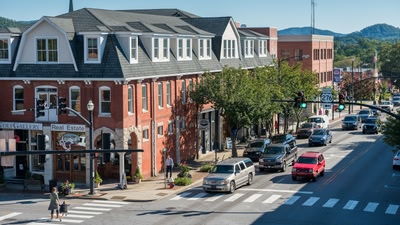
Asheville
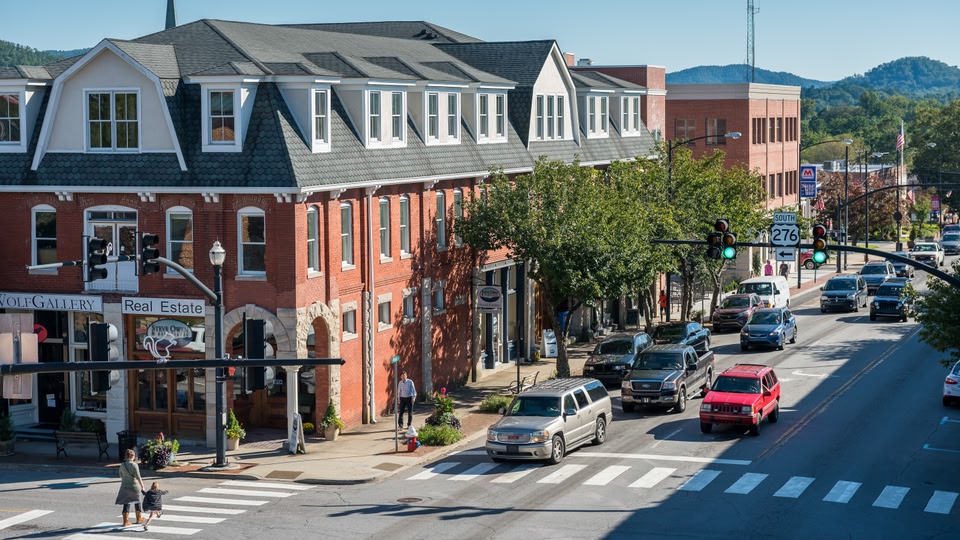
Urban attractions and natural wonders meet in Asheville. Explore a vibrant art scene, unique history and craft beer, and enjoy the Blue Ridge Mountain scenery without ever leaving town.
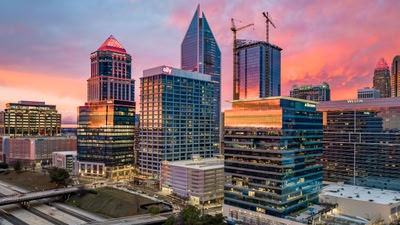
Charlotte
With its distinct neighbourhoods and pretty parks, North Carolina’s biggest city still has a small-town feel. Grab a rooftop drink, feast on barbecue and see stock car racing at its best.
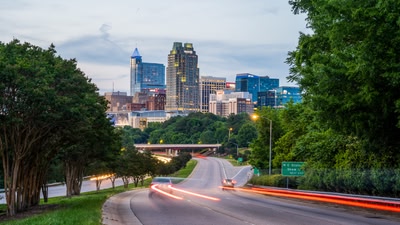
Raleigh
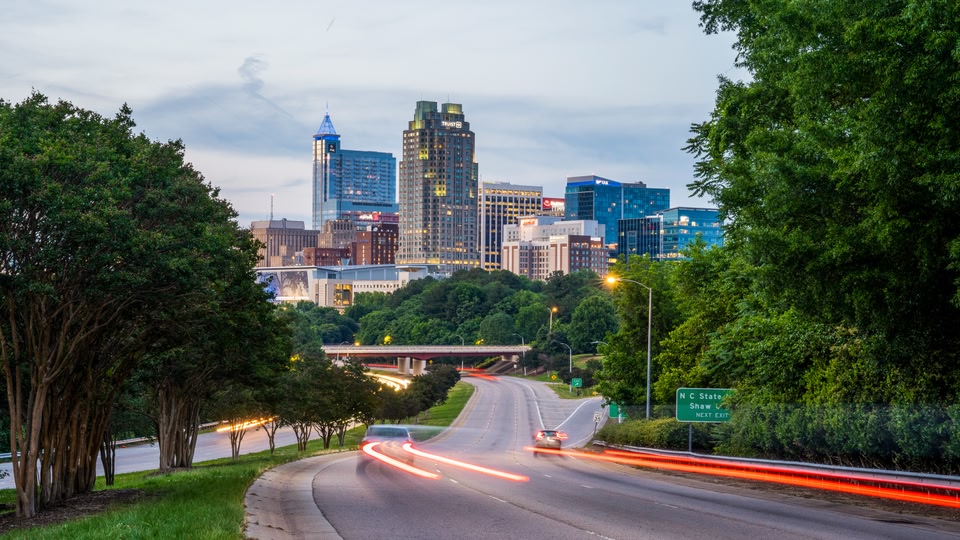
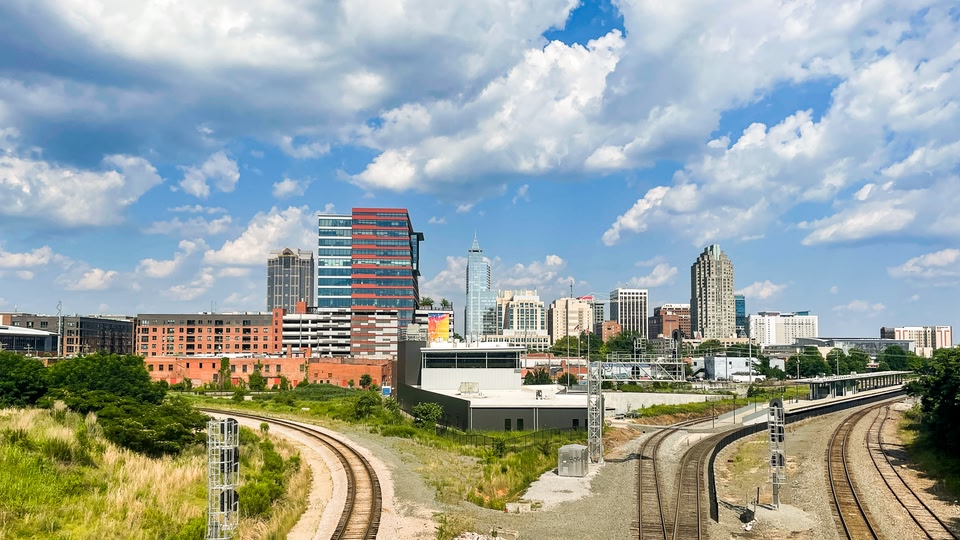
North Carolina’s capital is one of the best-kept culinary secrets in the South, with inventive breweries and a serious approach to barbecue. Come for the food, but stay for the amazing museums.
North Carolina: fast facts
Language
English
Currency
United States dollar ($)
Time zone
Charlotte - UTC−5 (EST) and UTC−4 (EDT)
High season
May – October
Low season
January – March
North Carolina holiday highlights
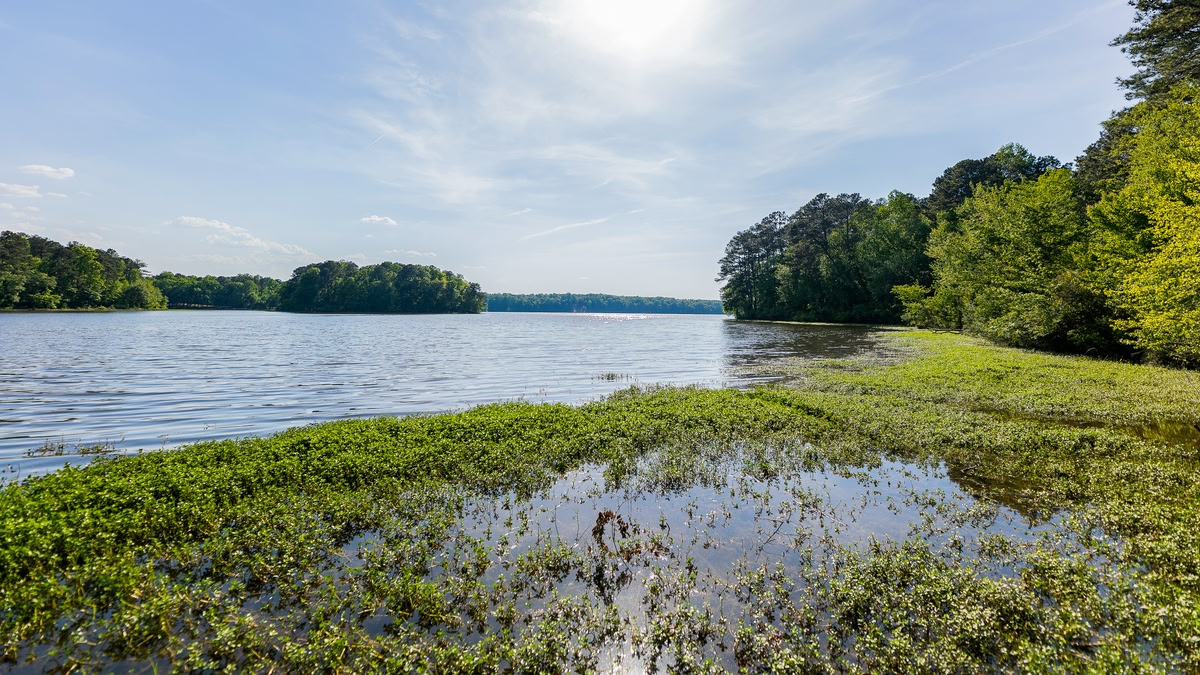
Get outdoors
There are endless outdoor things to do in North Carolina — and they don’t all have to be strenuous. Check out the view from Chimney Rock, hike mountain trails, or explore the Appalachians on a scenic drive. Raft on the world’s largest man-made whitewater river, or paddle quietly through coastal marshland. Fish for your supper, or take a gourmet cycling tour through wine country.
See live music
You’re never more than a short drive from live music in North Carolina. The mountains echo with folk traditions of all kinds, including old-timey ballads, Black string bands and the bluegrass banjo that was born here. Summers are packed with outdoor gigs, from fiddle contests at campsites to major pop and rock festivals. And the region’s iconic venues are busy year-round.
Catch a sporting event
There’s no better way to feel like a local than to experience the region’s sporting rivalries. Watch the Wolfpack take on the Mountaineers in college football — if only to join the tailgate parties. Visit the neighbouring universities of Duke and the University of North Carolina, which have taken basketball to new heights. Or head to the historic Charlotte Motor Speedway for fast-moving NASCAR action.




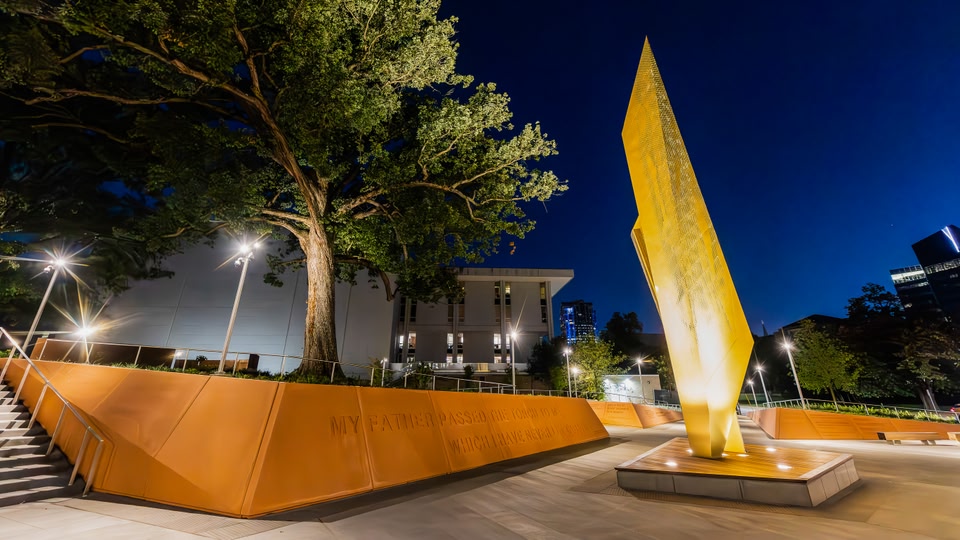
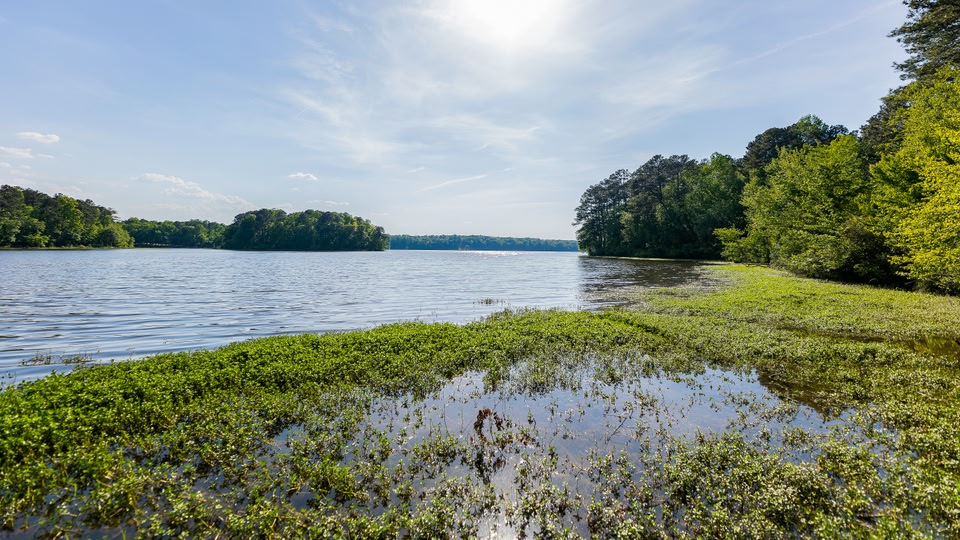
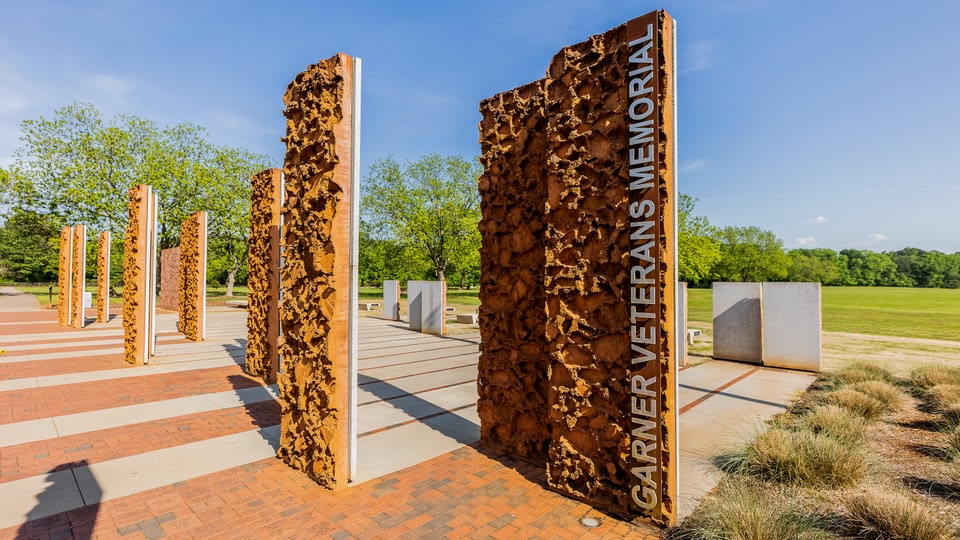
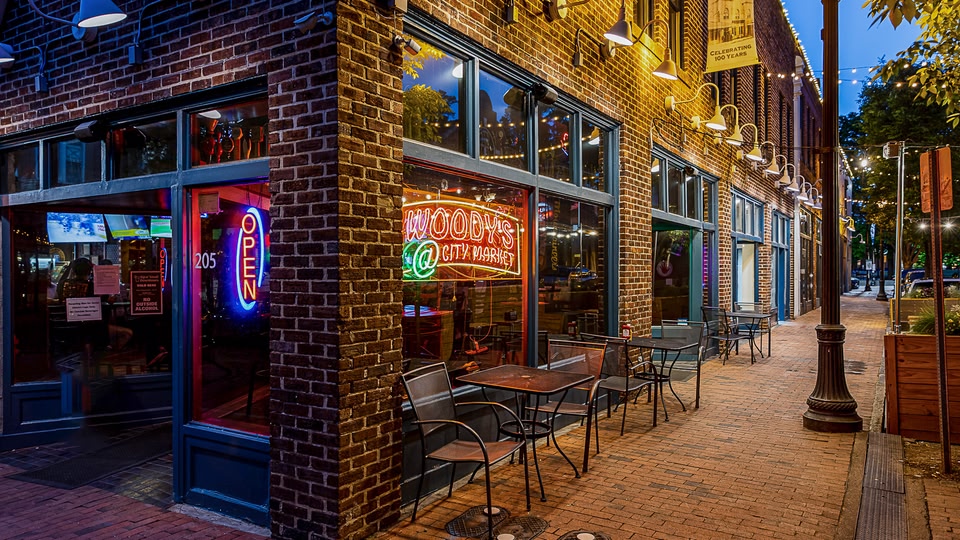
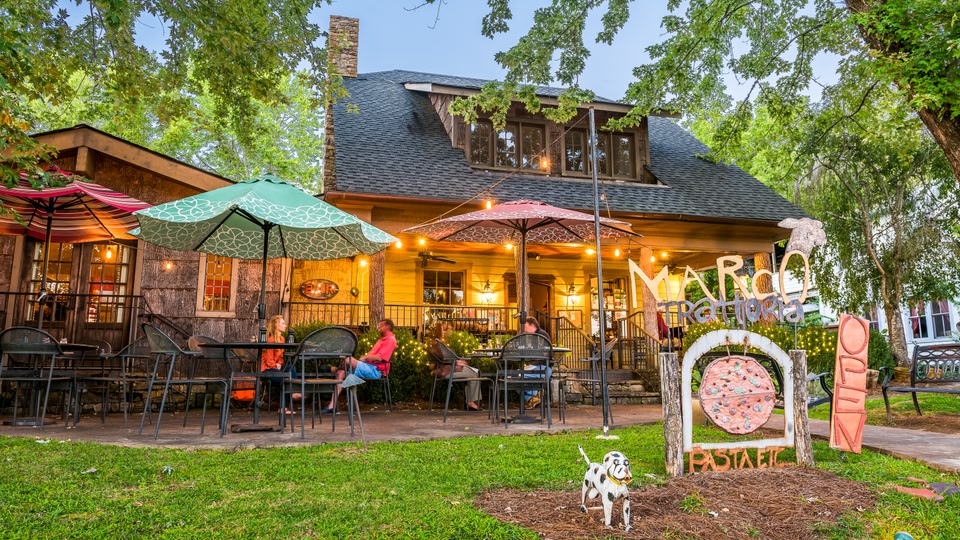

Things to do in North Carolina

Top attractions
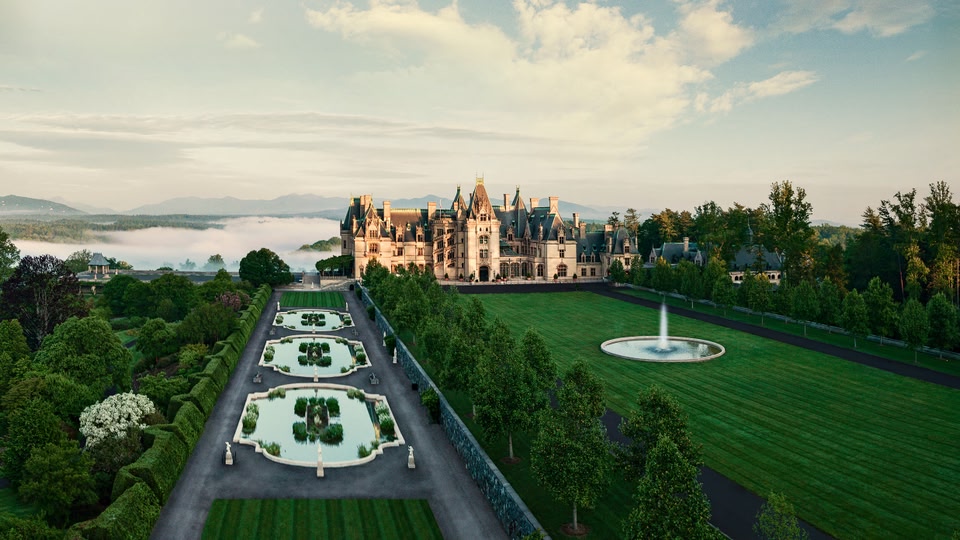
Marvel at the extravagant Biltmore Estate, a 250-room Vanderbilt mansion built in the late 19th century. Bask in the splendour of the Appalachians as you drive, bike or hike the Great Smoky Mountains, the most popular national park in the US. Or climb the tallest lighthouse in the country at Cape Hatteras.
Beaches
North Carolina measures 240 kilometres north to south but has twice that length of beaches, thanks to the barrier islands that run along its Atlantic coast. You’ll find wild horses on the Outer Banks, a sliver of tall, white sand dunes and untamed beauty. The quiet inlets on the sounds offer sheltered spots where pirates once hid their treasure.
Nature
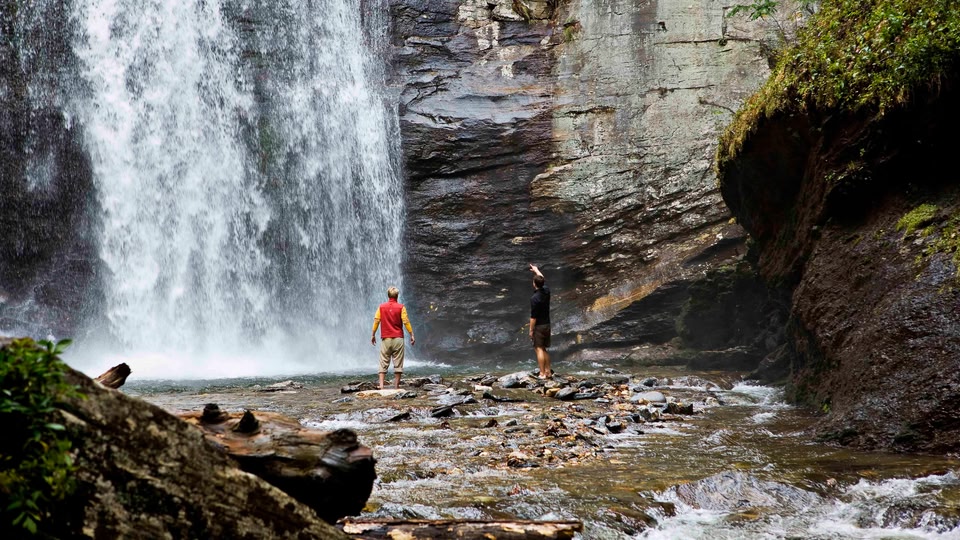
With more than 40,000 hectares of protected wilderness, North Carolina is full of natural wonders. The pine-covered Appalachians are packed with rivers, waterfalls and glass-calm lakes. They also claim the highest peak on the Eastern Seaboard. Forests throng with wildlife, from black bears and bobcats to beavers, while the east coast attracts hundreds of species of migrating birds.
Cuisine
The barbecue restaurants in North Carolina have perfected the art of slow-cooked pork smoked over wood or coals. Expect mouthwatering side dishes too, like baked beans, coleslaw, macaroni and cheese or fried cornmeal hush puppies. Breakfasts are just as big here, with fluffy, scone-like ‘biscuits’ smothered in white gravy and buttery grits topped with juicy prawns.
Culture and museums
Raleigh is home to the state museums in North Carolina, from sculpture parks to hands-on science exhibitions. Charlotte hoards vast art collections, including the Mint Museum and the Gantt Center. The Biltmore estate in Asheville remains one of the grandest homes in the US, while Wilmington’s historic downtown is a popular filming location with a thriving cultural scene.
Nightlife
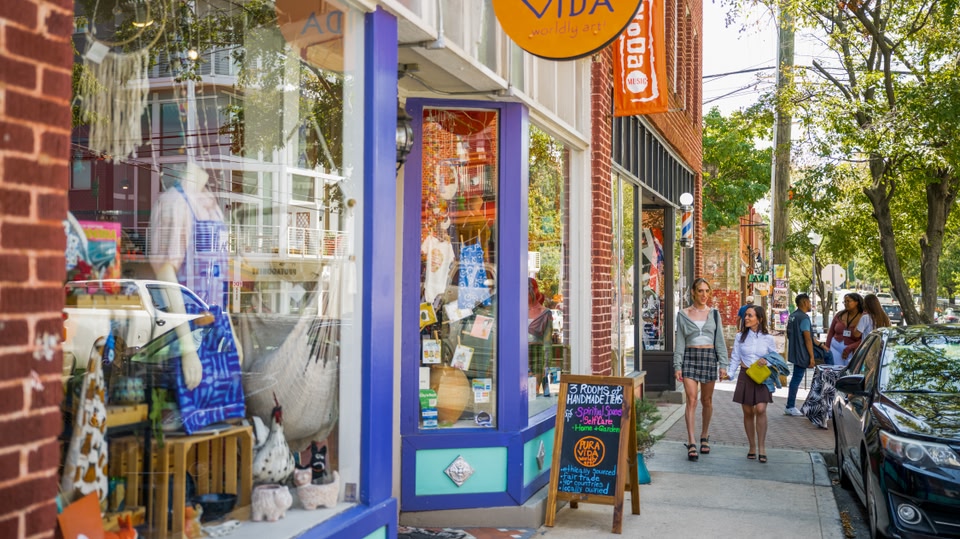
You’ll find a wide range of nightlife in North Carolina. Charlotte covers the big-city vibe, with buzzing clubs and large-scale performing arts theatres. Asheville’s live music scene and intimate venues are complemented by its craft breweries. And university towns such as Raleigh, Durham and Chapel Hill are known for their lively bar-hopping spots.
Find the best time to visit North Carolina
Weather in North Carolina through the year
March – May: Temperatures vary in spring, with the mountains far cooler than the plains. It’s a great time to stroll the streets of college towns or hike the Blue Ridge Mountains.
June – August: Swap the muggy cities for the coast, where highs average 28°C. June to November is hurricane season, so heed local warnings.
September – November: It stays warm well into September, but the leaves turn golden in the Appalachians by October. Celebrate the autumn harvest at the Brushy Mountain Apple Festival.
December – February: Winter temperatures are unpredictable on and off the mountain, with lows below freezing. Get busy at the mountain ski resorts or try snow tubing in Seven Devils.
Events in North Carolina
MerleFest (April): This annual folk and bluegrass festival is one of the most unique and community-spirited in the state. Founded by musical legend Doc Watson, the event showcases world-class acts by day, and the campsites come alive with jams at night.
Grandfather Mountain Highland Games (July): The Blue Ridge Mountains hum with Celtic culture thanks to the Scots-Irish who settled here. Watch the caber tossing and Highland dance contests, then party till dawn.
NC State Fair (October): For over 150 years, this event has been promoting the best of North Carolina, whether it’s agriculture or arts and crafts. Join hundreds of thousands as they flock to the fairgrounds for deep-fried funnel cakes, family-friendly rides and live entertainment.
Know before you go
Getting around North Carolina
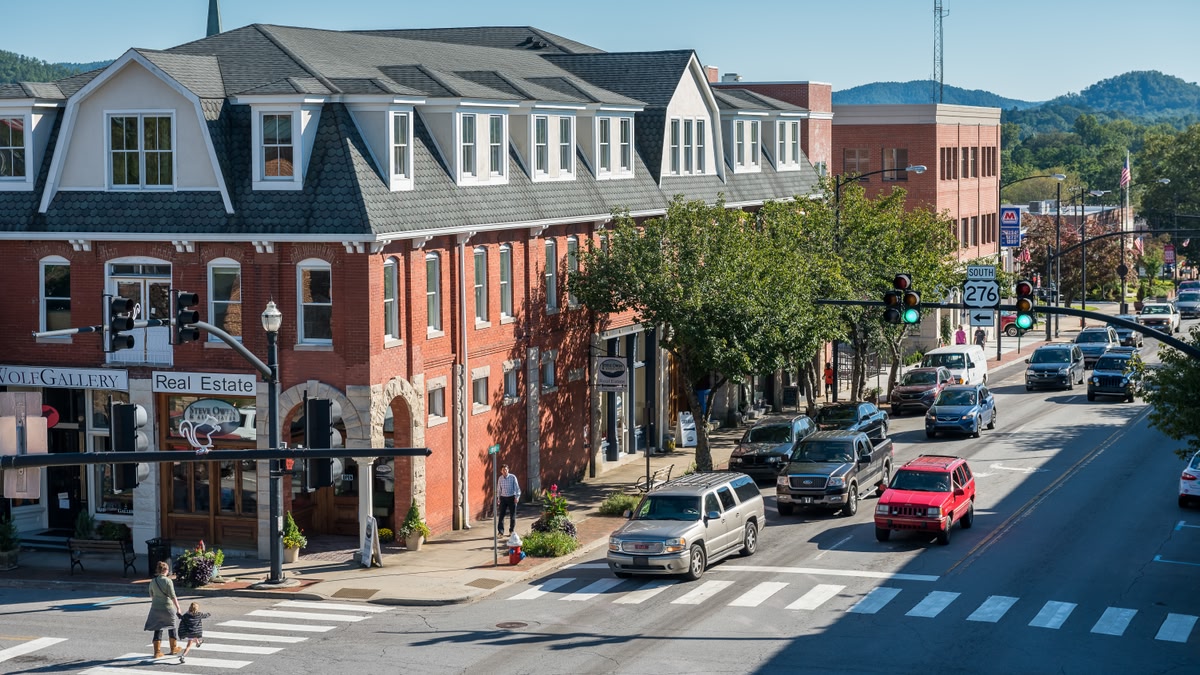
Public transport
Buses: Intercity providers like Greyhound and Megabus link major hubs. Regional bus networks also connect small towns, campuses and rural communities across the state.
Trains: Ride the streetcar in Charlotte, whose Lynx light rail has 26 stations. Amtrak provides one daily service between Charlotte and Greensboro, and another connects Fayetteville and Raleigh with Rocky Mount. Other stations link smaller towns with major cities across the Southeast.
Boats: The free summer ferry between Hatteras and Ocracoke is a popular, hour-long journey — but the queues can be frustrating. Consider leaving your car behind and taking the less busy passenger ferry. Booking ahead is recommended for both services during peak season.
Domestic flights
Major airports in Charlotte and Raleigh handle most domestic flights. Smaller airports in Asheville, Wilmington and Greensboro offer convenient access to regional attractions, while coastal flyers can land near the Outer Banks at New Bern or Elizabeth City. Connections are frequent, and hire cars are widely available.
Driving and car hire
Driving is the easiest and most popular way to explore North Carolina, especially the western mountains and eastern beaches. Mountain roads are winding and slow going, with sharp switchbacks. In winter, allow extra time and prepare for snow and ice.
FAQs about North Carolina holidays
More holiday inspiration

Do I need a visa travelling from India?

Flight cancellations and delays: What to know about claiming compensation


