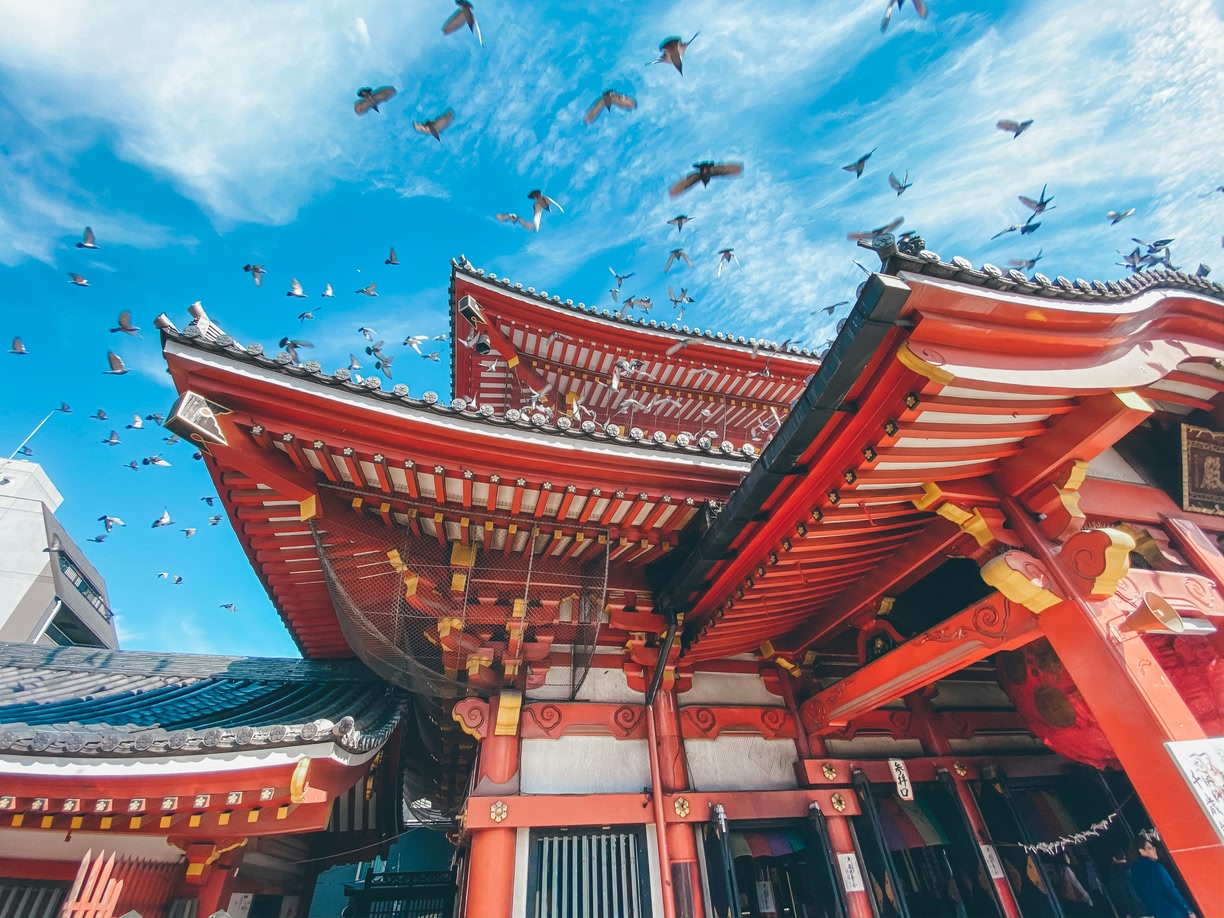
Planning to travel from India to Nagoya for the Asian Games 2026? Here's how to build your trip to Japan around the Games.
There are countless reasons to book a trip to Japan. Tokyo is home to more Michelin-starred restaurants than any other city, Kyoto can transport you centuries into the past and, frankly, sushi is reason enough to go.
But with Japan hosting the Asian Games 2026 this September, cheering on Team India at one of Asia’s biggest sporting events might be the best reason yet.
When and where are the Asian Games 2026?
The 20th Asian Games in 2026 will be held from 19 September to 4 October in Nagoya, located in Aichi Prefecture, Japan. It will bring athletes from across Asia to one of Japan's largest (yet hugely slept-on) cities for more than two weeks of competition. However, the Games use more than 50 competition venues, with sports spread across the wider Aichi Prefecture and several locations farther afield.
For example, some of the biggest India-interest sports are scattered around the host region:
Athletics will take place in the host city, Nagoya
Badminton will be playing in Ichinomiya, in the wider Aichi area
Other competitions will require farther travel, such as:
The aquatics programme which will take place in Tokyo and Hamamatsu
Track cycling, which will be held at the Izu Velodrome in Shizuoka
Football, which will be played venues in Gifu, Shizuoka and Osaka as well as the host region, Nagoya and the wider Aichi Prefecture
So the key to planning a trip around the Games is to choose your sport first and then plan your travels around the venue. Check all the sports and venues via the official Asian Games guide.
India at The Asian Games 2026 at a glance
The official Games programme currently features 43 sports, from cricket and kabaddi to surfing, esports and mixed martial arts. You can keep an eye on the latest programme and schedule via the official Asian Games website.
India’s final contingent is still being confirmed through individual sport selections and official competition entries but the table below shows which games India will compete in at the time of writing:
Sport | India participation | Venue | Dates |
|---|---|---|---|
Archery | 12 archers across men’s and women’s recurve and compound | Okazaki Chuo Sogo Park Multipurpose Square, Okazaki | 26 September–3 October |
Athletics | 72-member athletics team, the largest representation in the country's entire contingent | Nagoya City Mizuho Park Athletic Stadium | 23–29 September |
Badminton | 20-member squad made up of men’s team, women’s team, singles, doubles and mixed doubles | Ichinomiya City Municipal Gymnasium | 20–29 September |
Cricket | Men’s team and women’s team India’s men’s and women’s cricket teams head to Japan as defending Asian Games champions. | Korogi Athletic Park, Aichi | 17 September–3 October |
Hockey | Men’s team and women’s team | Gifu Prefectural Green Stadium | 18 September–3 October |
Kabaddi | Men’s team and women’s team India’s men’s and women’s kabaddi teams also arrive as defending champions after winning both titles at Hangzhou 2023. | Tokai Citizen Gymnasium, Aichi | 21–26 September |
Rugby sevens | Women’s team | Nagoya City Mizuho Park Rugby Field | 1–3 October |
Sepaktakraw | Men’s team and women’s team | Nagoya City Mizuho Park Gymnasium | 20 September–3 October |
Shooting | 30-member firing squad (15 men, 15 women) | Aichi Prefectural General Shooting Gallery | 20 September–1 October |
Surfing | Men’s team and women’s team | Pacific Long Beach, Tahara | 25–28 September |
Volleyball | Men’s team | Okazaki Chuo Sogo Park Gymnasium and Park Arena Komaki | 16 September–3 October |
Once you know which sport and session you want to watch, buy your tickets through the official Aichi-Nagoya 2026 ticket platform.
Some games begin before the opening ceremony e.g. women’s cricket, starts on 17 September, so check your chosen sport’s dates before booking flights.
How to get to Nagoya from India
For travellers attending events in which India will compete, Chubu Centrair International Airport (NGO) will be the most convenient international airport. However, depending on fares, flight schedules and if there are alternative events you’re travelling for, Tokyo or Osaka may also work.
Getting from Chubu Centrair Airport to Nagoya
The fastest Meitetsu rail journey from Chubu Centrair to Nagoya takes just under 30 minutes. You can buy tickets at Central Japan International Airport Station after you land, either from the ticket machines or the Meitetsu ticket counter.
Do Indians need a visa for Japan for the Asian Games?
Yes. Indian passport holders generally need a visa to visit Japan, including when travelling as tourists for the Asian Games.
For short leisure trips, eligible travellers living in India can use Japan's electronic visa process for a single-entry short-term tourism visa of up to 90 days.
Why travel to Japan for the Asian Games 2026?
You could, of course, follow the results from home. But there’s nothing quite like being there, among the roars of the crowds, cheering along when the medal is decided, and singing Jana Gana Mana when the flag goes up.
Here are three more reasons to make the trip.
1. Watch India compete on a huge Asian stage
For Indian fans, few things could beat travelling to Japan to watch Team India defend an Asian Games title. Well, perhaps watching them take gold all over again.
Cricket will be one of the biggest draws, with India arriving as defending champions in both the men’s and women’s competitions. But don’t stop at the boundary rope. There will be plenty more Team India action to follow as selections and entries are confirmed across the Games programme.
And then there’s surfing.
India will make its Asian Games surfing debut in 2026, with both men’s and women’s squads heading for the waves at Pacific Long Beach in Tahara, on Aichi’s Pacific coast. It’s a very different spectator experience from a stadium in Nagoya — and potentially one of the best excuses to explore more of the prefecture.
India has secured two men’s and two women’s surfing places, the maximum available to the country. The Surfing Federation of India has selected Kishore Kumar and Sivaraj Babu for the men’s squad, with Kamali Moorthy and Sugar Shanthi Banarse in the women’s team.
For a young national surf programme, that’s a serious milestone — and puts India on the same Asian Games start line as countries with much longer competitive surfing traditions.
2. Discover a different side of Japan
Tokyo, Kyoto and Osaka might dominate most first-time Japan wish lists. The Games are your excuse to get to know Nagoya and Aichi too.
Nagoya is one of Japan's largest cities, but it often gets skipped in the rush between Tokyo and Kyoto. Stay a while and you'll find grand historic sights, lively neighbourhoods and one of the country's most distinctive regional food scenes.
Nagoya Castle gives you the history fix, while Sakae and Osu are easy areas to explore between events. Then there's the food: hitsumabushi grilled eel, rich miso katsu and peppery tebasaki chicken wings are all local favourites worth making room for.
Venture farther into Aichi and the scenery changes again. The prefecture stretches from busy cities to Pacific coastline, which means a day that starts with sport could finish beside the sea. If you're weighing up where else to go, it's worth reading up on the best places to visit in Japan and the best things to do in Japan before you firm up your plans.
3. Turn the Games into a wider Japan holiday
The event runs for 16 days, so you could spend a few days watching events around Nagoya, head to Gifu for hockey, then continue west to Kyoto and Osaka. Or, if your sport takes you east, add Tokyo onto the end of the trip. It's also the perfect chance to see Mount Fuji, a straightforward bus ride from Tokyo, or to time your visit around the seasons using our guide to the best time to visit Japan.
This is where Skyscanner's Multi-City Search can come in handy. You can add up to six flight legs in one search, so an itinerary such as India → Nagoya, Osaka → India can be compared together rather than forcing your trip into a standard return journey.
Less backtracking, more Japan. Learn how to search Multi-City flights with Skyscanner.
Things to do in Nagoya and Aichi between the games
Your Asian Games ticket is the reason to go but there are plenty of reasons and things to do in Nagoya to make you stay. This is how to build a trip around the Asian Games:
What to do in and around Nagoya when you have half a day
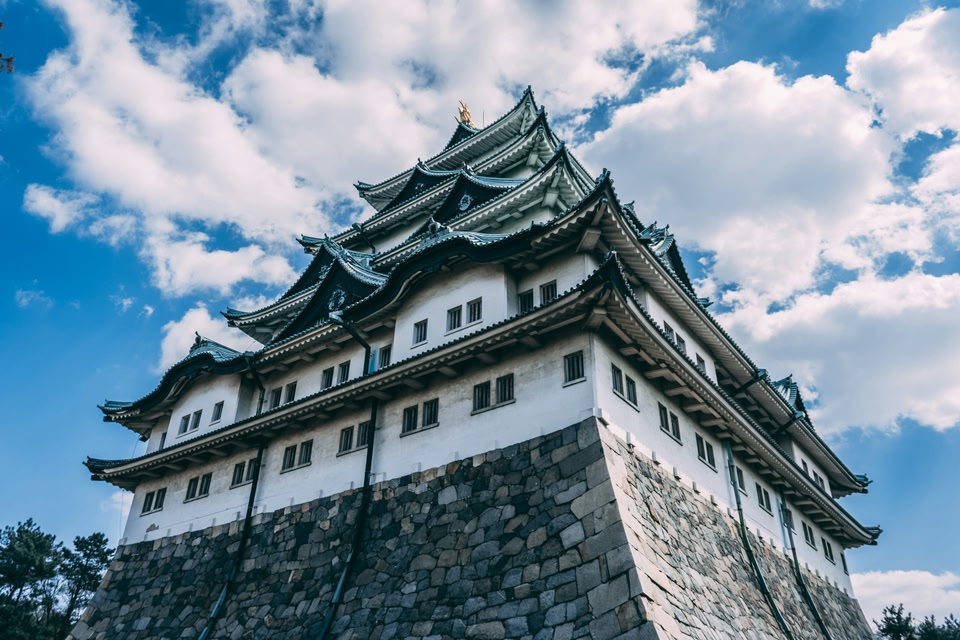
Nagoya Castle is one of the city’s best-known historic sights, while the areas around Sakae and Osu combine shopping, street food, cafés, temples and plenty of opportunities for a wander.
There's also Toganji Temple, home to a Buddhist temple best known for its striking 10-metre Great Buddha of Nagoya. It’s open year-round and makes an easy detour if you want a break in-between events.
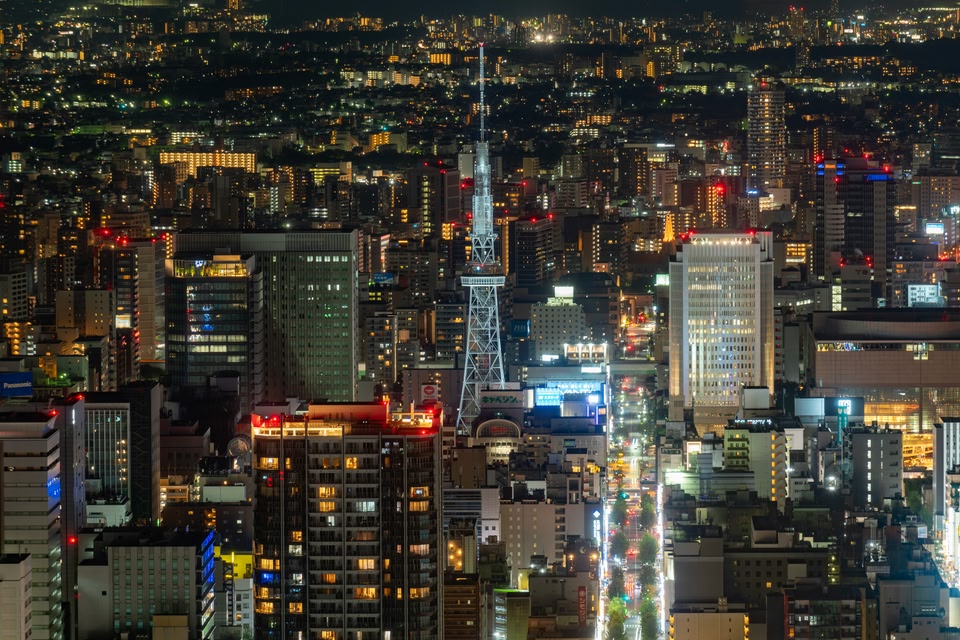
Back in Sakae, you’ll can climb the former Nagoya TV Tower, now called Chubu Electric Power MIRAI TOWER. Its observation decks for beautiful panoramic views across Nagoya. Just don’t have so much fun exploring that you forget you have a game to get to.
If you have even more time off, consider:
1. Exploring shrines, samurai and shogun history
Start at Atsuta-jingu Shrine, one of Japan’s most important Shinto shrines and the traditional home of the sacred Kusanagi sword, making this is one of the strongest cultural stops in Nagoya, especially when coupled with the adjoining Kusanagi-kan sword repository, and Treasure Hall. Here you'll find displays of historic swords and other artefacts connected with the shrine.
There’s also the option of Okazaki Castle and Okazaki Park, birthplace of Tokugawa Ieyasu, the first Tokugawa shogun. The castle grounds are now a leafy park, while the castle and nearby museum dig into the history of Ieyasu and the samurai of Mikawa.
Following your visit, around 800 metres west of the castle, head to Hatchokura-dori, a street lined with traditional Hatcho miso storehouses. Kakukyu Hatcho Miso and Maruya Hatcho Miso are two historic producers that still make the dark red fermented soybean paste here, and there are factory tours and museums here that offer a look at how this Nagoya-area staple is made.
2. Car fan? The Toyota Automobile Museum is an easy choice
Despite the name, this museum isn’t only about Toyotas. The museum features more than 100 vehicles that trace the development of the automobile across Japan, Europe and the US, alongside displays exploring wider car culture memorabilia. It’s in Nagakute, just outside Nagoya but reachable by subway and Linimo.
3. Travelling with kids? LEGOLAND Japan Resort deserves a spot on the itinerary
Located at Kinjo Pier in Nagoya, Japan’s only LEGOland resort has plenty to keep younger travellers busy for a full day. SEA LIFE Nagoya Aquarium too, and it’s easy to reach by public transport, with the park a short walk from Kinjo-Futo Station. The park also serves a vegan menu for kids and adults which is another plus if you have special dietary restrictions.
4. And don’t forget to visit the official Asian Games fan zone
No event ticket that day? You can still soak up some of the atmosphere.
ONE ASIA WORLD is the official Asian Games Celebration Fan Zone, running from 19 September to 4 October around Hisaya-odori Park, Oasis 21 and Sakae in central Nagoya.
It brings together live public viewing, medalist celebrations, food, music, culture and other activities in the heart of the city. The main fan-zone areas are open to visitors with or without an Asian Games ticket, although some specific programmes or areas may require advance registration.
Where to eat in and around Nagoya
Look out for local favourites such as hitsumabushi, grilled eel served in stages with different accompaniments; miso katsu, pork cutlet with a rich miso sauce; and tebasaki, seasoned chicken wings.
Vegetarians and vegans should take care as many Japanese stocks and sauces contain dashi, which can be made with fish.
Those looking for halal options should pay special attention and specifically check whether dishes contain mirin or cooking sake, which can appear in sauces and seasonings even when a dish contains no pork.
Ingredients to look out for:
Dashi: A Japanese stock commonly made with kombu seaweed and bonito flakes, although fully plant-based versions do exist. Vegetarians and vegans should check which type is being used.
Mirin: A sweet rice seasoning that usually contains alcohol and is often added to sauces, marinades and glazes.
Cooking sake: Rice wine used to season dishes and sauces. It contains alcohol, so halal travellers may wish to avoid dishes made with it.
Mentsuyu: A common noodle dipping sauce or broth base that can contain dashi, soy sauce, mirin and other seasonings, so it may contain both fish and alcohol.
Miso: Fermented soybean paste is often vegetarian, but some prepared miso sauces or soups may contain dashi or added alcohol, so check the full dish rather than the miso alone.
Restaurants to consider if you’re vegetarian, vegan or require halal meals:
Vegetarian and vegan:
Halal
Turn your trip into a longer break
The wider prefecture of Aichi offers Pacific coastal scenery and historic towns such as Inuyama, home to one of Japan’s oldest surviving original castles and a traditional old-town district. Aichi is also well connected by rail to wider central Japan, giving travellers plenty of options for a day trip between competition dates.
And if you’re extending your holiday, from Nagoya you can continue west towards Kyoto and Osaka or travel east to Tokyo. That way, the Asian Games become the starting point for a bigger Japan itinerary rather than a separate holiday you have to squeeze in. Here are some ideas to get you thinking of the possibilities:
Explore old Japan around Asuke and Korankei
For traditional streets and countryside, make for Asuke. Its preserved townscape still has white-walled storehouses, lattice-fronted houses and narrow lanes, a stark constrast to Nagoya's cosmopolitan cityscape. Plus there's a castle there too. Nearby Korankei Gorge also adds the nature fix for a complete change of scenery.
Swap sightseeing for an onsen
An onsen is a quintessential Japanese tradition which shouldn't be missed if you have added time after the competitions. These are Japanese natural hot springs resorts and the public bathhouses where the water is warmed by natural volcanic activity, and contain specific underground minerals like sulfur for added wellness benefits.
Gamagori Onsen looks out across Mikawa Bay and is known for its hot-spring hotels around Takeshima Island. It’s reachable from Nagoya by JR train to Gamagori, followed by a short taxi ride. Or for an even more seaside-focused escape, Minamichita Onsen Village brings together the hot-spring areas of Utsumi, Yamami and Toyohama on the Chita Peninsula. Expect ocean views, hot-spring inns and beaches along the coast.


