
Long-haul flights often leave travellers drained on arrival regardless of the time they land. These hacks help you arrive relaxed and ready to explore instead.
Whether you are flying to Europe for a long weekend or heading further afield to the US or Australia, spending eight hours or more in the air can take a toll on even the most seasoned traveller. Jet lag, stiff joints and dry skin are all part of the long-haul experience, but they do not have to define your trip. With a few tried and tested long-haul flight hacks, from smart packing choices to in-flight routines, you can land feeling refreshed rather than run down, and start exploring your destination from day one.
1. Snooze as much as possible
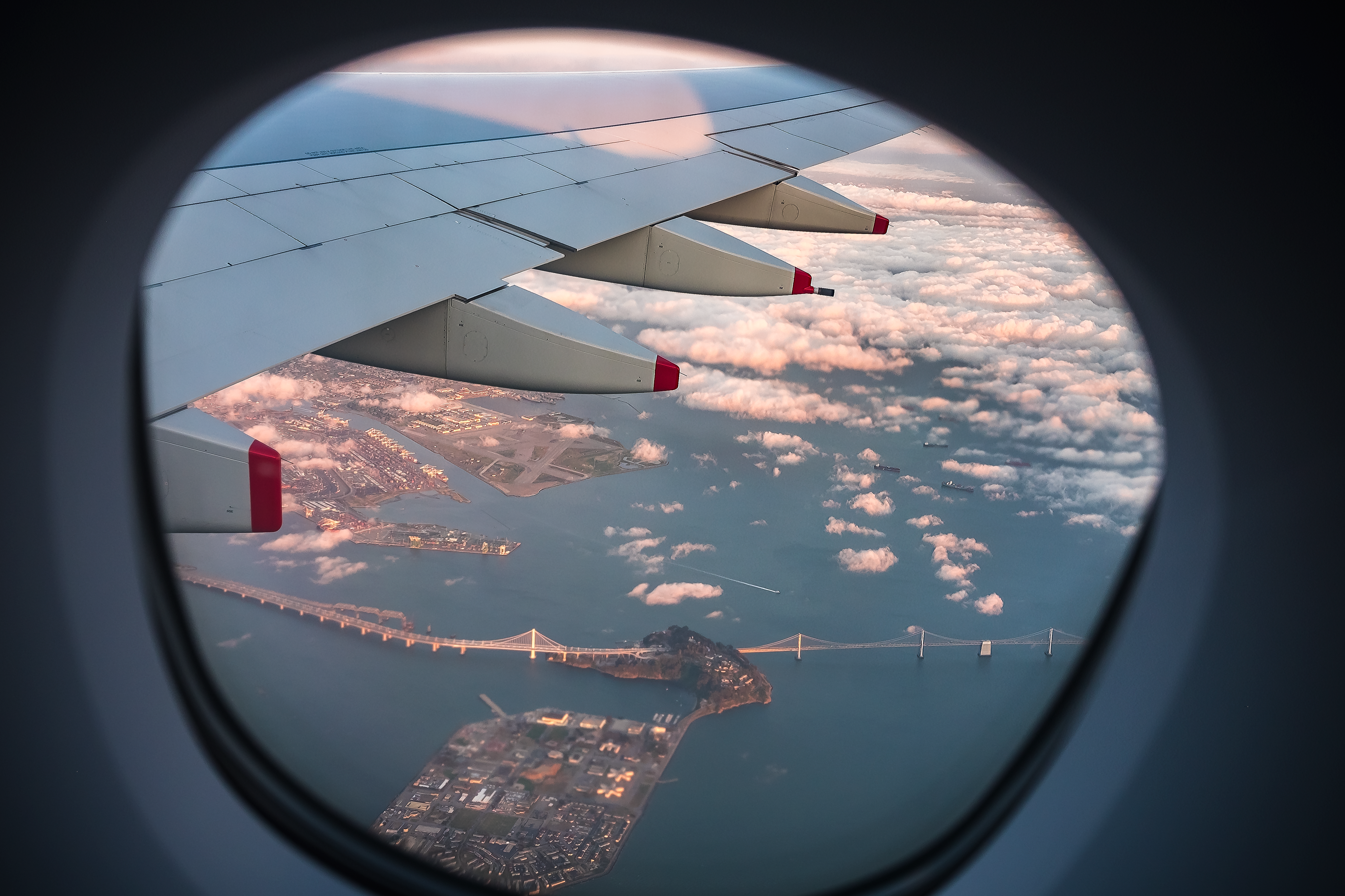
Sleeping on a flight is the best way to arrive as refreshed as possible. It might be tempting to take advantage of the plane's movie marathon-worthy entertainment system, but your hours are better spent getting some shut eye. A 2025 sleep study found that while sleep duration on a long-haul journey normalises within a couple of days, sleep timing can take a week or more to fully adjust, so banking rest on the plane itself gives your body a head start. If an eye mask, travel pillow and pair of noise-cancelling headphones make it easier for you to sleep, they are worth packing in your carry-on bag.
2. Exercise and shower right before your flight
Exercising and showering before boarding will make it easier to relax on the plane. Excess energy can make time spent cooped up in a plane seat uncomfortable. According to sleep scientist Dr Matthew Walker, author of Why We Sleep, exercise and a hot shower are key to a high-quality snooze.
3. Dress comfortably
Wear or pack an outfit to stay warm and comfortable during the flight. Finding a cosy sitting position is challenging enough as it is, and even harder when you have to adjust an ill-placed button, seam, zipper or bundle of bunched-up fabric. Even if you are coming from a warm destination, it can often be cool on the plane.
A shirt, jacket, leggings or loose trousers, compression socks and closed-toe shoes work well as both on-plane and off-plane attire. Spare masks, socks and underwear will also help you arrive feeling fresh and prepared if there is an unexpected delay.
4. Bring travel-friendly snacks
Even though you will get inflight meals, food options on long-haul flights can be unpredictable. Bring your own snacks, such as vegetable sticks, grapes, crackers or pretzels, so whatever happens you will not have to battle a grumbling stomach. Avoid packing foods that need cutlery, spill easily or have a strong scent.
5. Hydrate, hydrate, hydrate
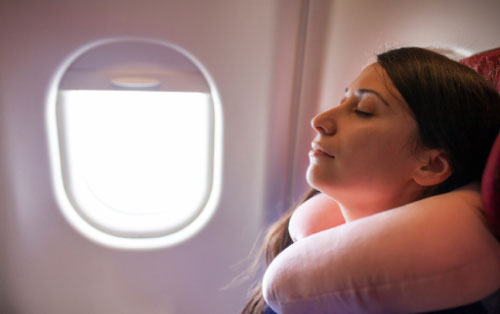
Staying hydrated during a flight is essential to arrive feeling refreshed. Some travellers avoid drinking on a flight to skip the bathroom stops, but the Aerospace Medical Association recommends drinking about 240ml of water every hour throughout your journey.
Hydration extends to your skin and eyes too. Cabin humidity is low, typically around 20 percent, which can dry out skin and irritate eyes. If you wear contact lenses, swap them for glasses during the flight and pack a small bottle of lotion to keep skin supple.
6. Splurge on seat selection
Whether you prefer a window or an aisle seat (nobody wants the middle), it is worth paying a little more if it means you will be able to rest properly. Each option has its pros and cons. A window seat means you will not have anyone bumping into you or asking you to get up, plus a little more real estate to lean against when you sleep. An aisle seat lets you get up whenever you want to stretch or take a bathroom break.
Avoid choosing a seat near the lavatories or family sections if you can. Extra legroom might be worth the splurge for a more comfortable flight, and once you are seated, avoid placing anything under the seat in front of you so you have full use of your leg space.
7. Stretch it out
Sitting for long periods can slow blood flow, leading to swelling and muscle stiffness. In some cases, prolonged immobility on a long flight can also raise the risk of deep vein thrombosis, so keeping your legs moving matters more than comfort alone. From your seat, stretch and roll your neck, shoulders, wrists and ankles to prevent soreness. You can also give yourself a small massage by rubbing your shoulders, neck and temples to stimulate blood flow. Since meal and drink carts often wake travellers anyway, they make a good cue for an in-seat stretch routine. If you need to use the toilet, add a lap down the aisle for extra movement.
8. Pack a miniature sanitation kit
Good hygiene habits go a long way toward staying well on a long flight. Pack spare masks, hand sanitiser and disinfecting wipes in your carry-on before boarding.
When you get to your seat, wipe down high-touch points such as the armrests, tray table, entertainment screen, window area and overhead buttons.
For more on making the most of your journey, Skyscanner's at the airport hub covers everything from baggage fees to airline policies, while our dedicated guide to connecting flights helps you plan smoother layovers. If you are still working out logistics, our guide on how to book flight tickets walks you through the process step by step and our roundup of the best budget airlines is worth a look if you are travelling on a tighter budget. And before you pack, check our cabin baggage allowance guide for flights to and from India so you know exactly what you can carry on board.


