Your guide to Montreal
Montreal highlights
Old Port
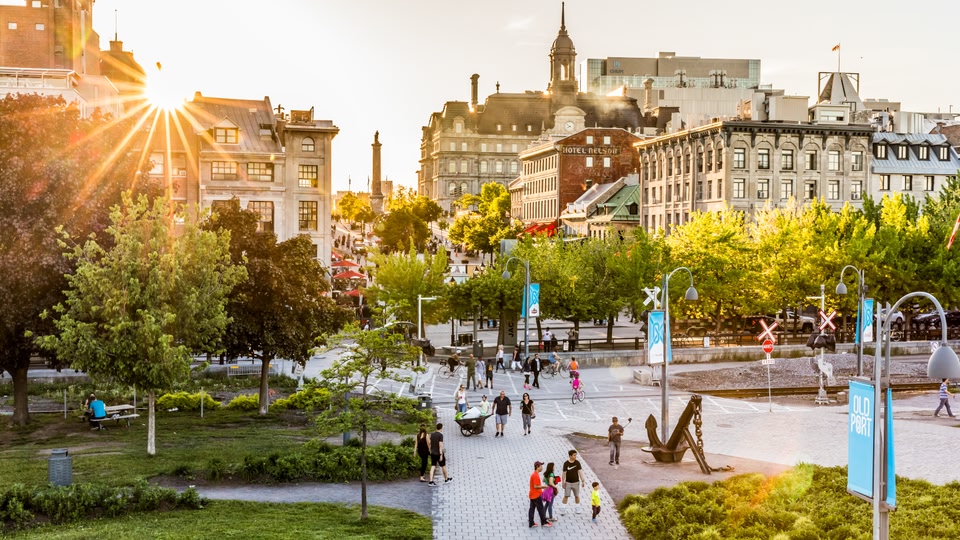
Enjoy fresh air in Montreal by strolling or cycling around the lively Old Port area. It sprawls along the Saint Lawrence River, where cruise boats depart from the docks for city sightseeing tours. For a cheaper option, take the river shuttle. Climb the 192 steps to the top of the white Clock Tower for an epic view.
Poutine scene
No trip to Montreal is complete without devouring poutine, a classic Quebec comfort food of chips topped with cheddar cheese curds and gravy. Try it at the popular La Banquise, where they’ve served the saucy treat since 1968. And if you can’t get enough, time your trip with the annual La Poutine Week festival.
Public art
Art is a feature of daily life in this creative city, which boasts a collection of more than 1,000 artworks across its public spaces. For those planning a budget trip, it doesn’t cost a thing to admire sculptures in Parc Jean-Drapeau or wall murals along the Lachine Canal. Download or grab a public art map from tourist information centres.
Montreal: Know before you go
| Language | French, English |
|---|---|
| Currency | Canadian dollar ($) |
| Time zone | UTC-6 (CST) and UTC-5 (CDT) |
| High season | June - August |
| Low season | January - February |
Find the best time to go to Montreal
Weather in Montreal
March – May: Montreal can be slow to warm up, with snow well into April some years. By May, the city is green and humming with activity.
June – August: Summer in Montreal brings warm days and evenings, perfect for outdoor dining and festivals. Occasional heat waves and humidity send locals to parks and outdoor pools to cool off.
September – November: Autumn’s cooler temperatures are accompanied by changing leaves. The first snow usually arrives as early as October.
December – February: Montreal sees regular snow throughout the winter, with temperatures below freezing for days at a time. But good winter gear and the city’s underground pedestrian network make it possible to enjoy even the coldest days.
Events in Montreal
Igloofest (January to February): Snow and ice won’t stop the party at this outdoor music festival in Montreal’s Old Port. Packed with local and international acts, the event also has a ‘tackiest snowsuit’ competition.
Nuit Blanche (March): French slang for an all-nighter, Nuit Blanche is a mix of late-night installations, performances and events at museums and galleries across the city.
Formula 1 Grand Prix du Canada (June): This hotly anticipated motor race draws an international crowd to watch Formula 1 drivers tear around the Circuit Gilles Villeneuve on Notre Dame Island.
Fantasia International Film Festival (July to August): Discover your new favourite movie at North America’s largest genre film festival. The event features screenings, talks with filmmakers and workshops.
The best neighbourhoods in Montreal
Old Montreal
Old Montreal’s historical landmarks and central location make it one of the best areas to stay in Montreal. Visit the Gothic Revival Notre-Dame Basilica, and soar high on La Grande Roue de Montreal Ferris wheel. In Place Jacques-Cartier, watch street performers while dining at restaurants in the lively square. Riverside pathways are perfect for romantic sunset strolls.
Good for: Historical landmarks, restaurants, museums
Plateau Mont-Royal
‘The Plateau’ is the best neighbourhood to stay in Montreal if you love trendy cafes and bohemian boutiques. Victorian townhouses add to the charm of this student hangout, which is home to the National Theatre School of Canada. Shop at cosy bookstores, art galleries and gourmet bakeries. Then relax with picnics by the pond at La Fontaine Park.
Good for: Cafes, boutiques, parks
Griffintown
If you’re wondering where to stay in Montreal for a taste of local life, look no further than Griffintown. This urban neighbourhood features converted warehouses and modern condos close to the Lachine Canal pathway for walking and cycling. Wander from exhibitions at Arsenal Contemporary Art Montreal to vintage shops and hip industrial-style pubs.
Good for: Art galleries, pubs, local life
Things to do in Montreal
Family friendly things to do
You’ll find lots of fun things to do with family in Montreal. Learn about native Quebecker animals at the Ecomuseum Zoo, a sanctuary whose residents include playful river otters, intelligent grey wolves and majestic golden eagles. Or visit the vast, dome-shaped Biosphere environmental museum and its hands-on exhibits. Let kids burn some energy with bouncy castles, climbing walls and pirate ships at Voiles en Voiles theme park.
Shopping
From browsing designer brands along Saint-Paul Street to hunting for antiques in Little Burgundy, shopping in Montreal is a retail therapy dream. Visit the Atwater Market for gourmet food souvenirs, or find trendsetting boutiques on Saint-Laurent Boulevard. Downtown, Sainte-Catherine Street is the hub for shopping centres. Explore five levels at the Eaton Centre, with access to the Underground City.
Nightlife
Nightlife in Montreal centres around a great live music scene. Whether it’s jazz, indie or rock ’n’ roll, you’ll find a bar playing your favourites. Party all night at venues along Saint-Laurent Boulevard, but prepare to line up for glamourous clubs. Book tickets in advance for Broadway musicals at Salle Wilfrid-Pelletier theatre in the Quartier des Spectacles entertainment district.
Take in the culture
Admire Victorian mansions of the Golden Square Mile area as you walk between some of the best museums in Montreal. The McCord Stewart Museum highlights the city’s heritage through art, fashion, textiles and artefacts from Indigenous cultures (buy tickets online for discounts). See paintings by Rembrandt and Picasso at the Montreal Museum of Fine Arts or natural history exhibits at the Redpath Museum.
Beaches
Stroll from metro stations to the lakeside Jean-Dore Beach for kayaking. Relax under the blue parasols dotting the golden sand at manmade Clock Tower Beach — you can’t swim here but misting stations will keep you cool. An hour’s drive from downtown, lakefront Oka Beach in Oka National Park thrills the kids with an inflatable obstacle course in summer.
Places to eat
Hop between neighbourhoods for global flavours in Little Italy or Chinatown. Satisfy your taste buds at classic French restaurants and parisian-style bistros in downtown Montreal. On the cheaper side, try food trucks that serve the famous smoked brisket sandwiches, Montreal-style bagels (smaller and sweeter than New York style) and, of course, poutine.
Get ready for Montreal
Budget
Sightseeing on foot is a great way to explore Montreal on a budget. The city has no shortage of charming alleyways to explore and murals to admire. Hit up neighbourhoods like Little Italy for delicious yet affordable food and coffee. A meal at an inexpensive Montreal restaurant costs around 25 Canadian dollars ($). And a cappuccino costs about $5.
Day trips from Montreal
Only a short ferry ride across the St Lawrence River, Boucherville Islands National Park is a peaceful nature retreat with camping, hiking and snowshoeing. Don’t miss Ayer’s Cliff, a scenic lakeside town in Quebec’s Eastern Townships. Nearby, the Abbey of Saint-Benoît-du-Lac hosts guided tours. You can even purchase cheese and other products made by the monks.
Getting around Montreal
With walkable neighbourhoods, bike share services and excellent walking and cycling paths, it’s easy to get around Montreal. For cheap public transport, grab a rechargeable Opus Card. Or buy single-trip tickets at bus and metro stations. The metro is the most popular option, with four lines connecting downtown to tourist sites. Hail Taxelco taxis across the city or hire a car for day trips further afield.


