Your guide to Valletta

Valletta highlights
Streets of old
Stretching from the City Gate to Fort St Elmo, Republic Street is Valletta’s most popular thoroughfare, home to shops, restaurants and historic sites like St John’s Co-Cathedral. Aim to visit in the morning when crowds tend to be smaller, then refuel between sightseeing spots at Caffe Cordina, a Valletta institution since 1837.
A perfect palace
The 16th-century Grand Master’s Palace is a must-visit on any trip to Valletta. Sitting in St George’s Square, it welcomes tourists to its ornate State Rooms and the Palace Armoury. Check the opening hours before visiting — the palace can close on short notice due to special events or parliamentary sessions.
Historic neighbours
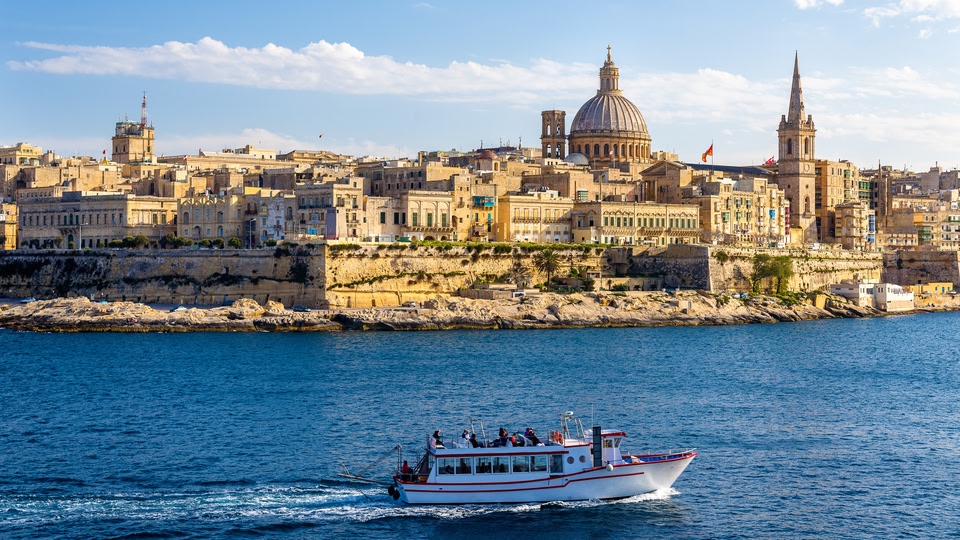
Just a short hop across the Grand Harbour, the Three Cities — Vittoriosa, Senglea and Cospicua — capture a crucial piece of Valletta’s history. These original fortified towns were built in the 16th century by the Knights of St John and feature a host of lavish places, military forts and fascinating museums. And you’ll also get stunning views of Valletta from the ferry.
Valletta: Know before you go
| Language | Maltese, English |
|---|---|
| Currency | Euro (€) |
| Time zone | UTC+1 (CET) and UTC+2 (CEST) |
| High season | July - August |
| Low season | January - February |
Find the best time to go to Valletta
Weather in Valletta
March – April: Spring is short but sweet, with warmer temperatures coming in late April. It’s the perfect time to visit ancient wonders without the crowds.
May – September: Expect hot days and high humidity, peaking in July and August. There’s no better place to be than sprawled out on a beach. Explore underrated spots like Fomm ir-Riħ on the northwest coast.
October – November: Autumn brings warm, pleasant weather and laid-back beach days. Enjoy island hopping and sightseeing without the summer rush.
December – February: Winters in Valletta are fairly mild, with daily highs of around 15°C. Stay on the lookout for off-season deals. And pack a raincoat for frequent showers.
Events in Valletta
Valletta Baroque Festival (January): See traditional Baroque performances in some of the city’s most gorgeous venues during this two-week festival.
Holy Week (March or April): Malta’s rich religious heritage comes to life at this Easter celebration. Highlights include a Good Friday procession with ornate religious statues and local music.
Malta International Fireworks Festival (April): Keep your eyes on the night sky as local fireworks teams compete to put on the best show. Maltese cuisine and live music add to the fun.
Village festas (year-round): For an authentic taste of Maltese culture, attend one of the many summer ‘festas’ around the capital. Part foodie feast, part music festival, these events attract locals and visitors alike.
The best neighbourhoods in Valletta
Valletta City Centre
Valletta’s historic centre is a UNESCO World Heritage Site packed with attractions. Browse the artisan shops on Republic Street, watch the cannons fire from the Saluting Battery, and admire Grand Harbour views from the Upper Barrakka Gardens. With St John’s Co-Cathedral and the Valletta Waterfront here too, it might just be the best area to stay in Valletta for first-time visitors.
Good for: History, architecture, harbour views
Sliema
Sitting opposite Marsamxett Harbour, Sliema is a great place to stay if you want views of the Maltese capital. Walk along the Sliema promenade, sun yourself on Tigne Point’s rocky beach, and shop at the Point Shopping Mall. When culture calls, head to Manoel Island and Fort Manoel or hop on the Marsamxett Ferry to explore Valletta’s main sites.
Good for: Beaches, history, seaside walks
St. Julian’s
Located a few minutes west of the city, St Julian’s is a tourist and nightlife hotspot. Head to Paceville for a wide selection of restaurants, shops and bars. Or ramp up the action with water sports around St George’s Bay and Spinola Bay. St Julian’s is where to stay near Valletta if you’re looking for a lively atmosphere and plenty of entertainment options.
Good for: Waterfront restaurants, beach, nightlife
Things to do in Valletta
Shopping
You’ll find international brands along Republic Street and at the Embassy Shopping Complex, but Valletta is best known for its independent craft boutiques. Bring home unique souvenirs like handmade lace, blown glass and filigree jewellery from the shops lining the Valletta Waterfront. Or if you’re shopping in Valletta for a bargain, hit up the Sunday Il-Monti Market.
Family-friendly things to do
Spending sunny days on the beach is never a bad idea here, but you’ll find many more things to do with family in Valletta. Visit the Malta Toy Museum, and uncover 7,000 years of history at the Malta Experience audiovisual show. If you’re visiting over a weekend, head to the Valletta Waterfront, where balloon artists, face painters and puppet shows offer family-friendly fun.
Take in the culture
With so many museums, art galleries and Baroque buildings, it’s no wonder Valletta was named a capital of culture. See original Caravaggio paintings at St John’s Co-Cathedral, spend an afternoon at the National Museum of Archaeology, and visit the National Museum of Fine Arts. For one of the more unusual museums in Valletta, head to Casa Rocca Piccola, the city’s only privately owned palace open to the public.
Beaches
Most of the beaches near Valletta are rocky, but you’ll find a popular strip of sand at Balluta Bay Beach in St Julian’s Bay. Alternatively, snorkel in St Elmo’s by Marsamxett Harbour. Beaches like Melliena Bay, Golden Bay Beach and Paradise Beach are reachable by bus from Valletta, but bear in mind that the journey can take upwards of an hour.
Places to eat
Influenced by Arabic, Italian and French cuisine, Maltese food is all about Mediterranean flavours. Sample modernised Maltese dishes at Michelin-starred Noni or fresh seafood at The Harbour Club. Looking for budget restaurants in Valletta? Try San Paolo Naufrago (open since 1938) on the steps of St Lucia Street. Or pick up traditional ‘pastizzi’ (savoury pastries) from the Is-Suq tal-Belt food market.
Nightlife
Sip Maltese wines in Trabuxu Wine Bar’s 400-year-old cellar, or listen to live jazz at The Bridge Bar on Fridays. While most of the nightlife in Valletta revolves around low-key cocktail lounges and small watering holes, you’ll find a livelier scene on Strait Street, the city’s former red-light district. For dancing, head to St Julian’s, the heart of Malta’s club scene.
Get ready for Valletta
Budget
Visiting Valletta on a budget is easy to plan. Take advantage of affordable transport options and enjoy cheap street snacks like ‘pastizzi’ (ricotta-filled pastries) wherever you go. Or have a sit-down meal for around 20 euros (€), and add a local beer for just €4. Your morning coffee will cost about €2, and a short taxi ride starts at €10.
Day trips from Valletta
Take a bus or a boat for the best day trips from Valletta. Hop on a ferry to explore Gozo’s historic forts and incredible dive sites. It’s just a 30-minute bus ride to the island’s former capital, Mdina, home to Baroque cathedrals and medieval walls. A 45-minute bus ride away, the fishing village of Marsaxlokk offers a bustling seafood market.
Getting around Valletta
Valletta is a small, walkable city built on a grid system. If you have your heart set on hiring a car, be aware that parking can sometimes be difficult. There’s an efficient bus system with maps and schedules posted at the main terminus outside City Gate Valletta. Valletta ferry services and electric cabs are also available.


