Estonia holidays
More and more travellers are booking holidays to Estonia, and it’s easy to see why. This tiny Baltic gem is steeped in history, from the amber-dipped ambience of medieval Tallinn to Tartu, home to Estonia’s oldest university, established in the 17th century. Rich cultural traditions, pristine natural landscapes and a relatively affordable price tag just add to the appeal.
Top destinations in Estonia
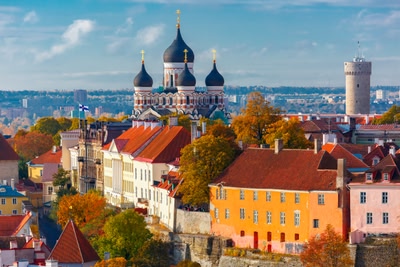
Tallinn
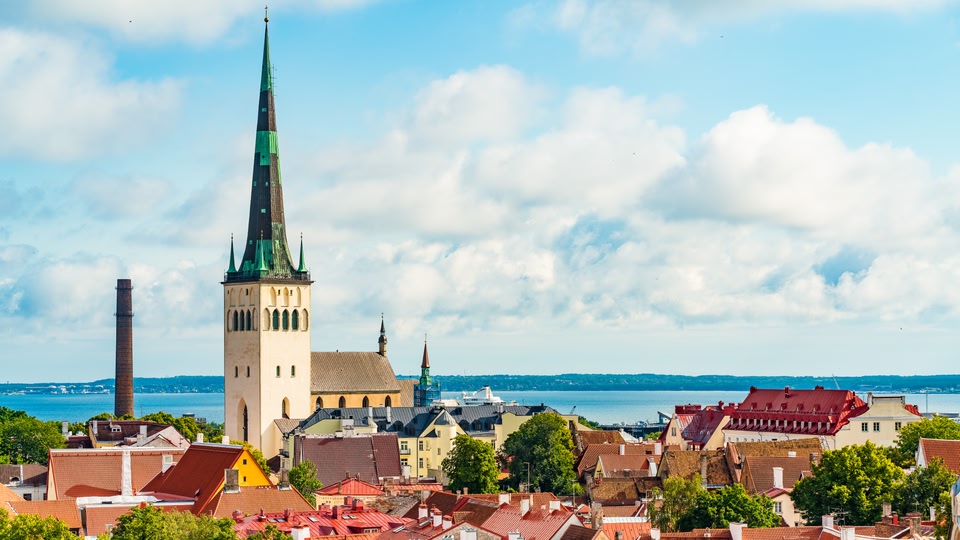
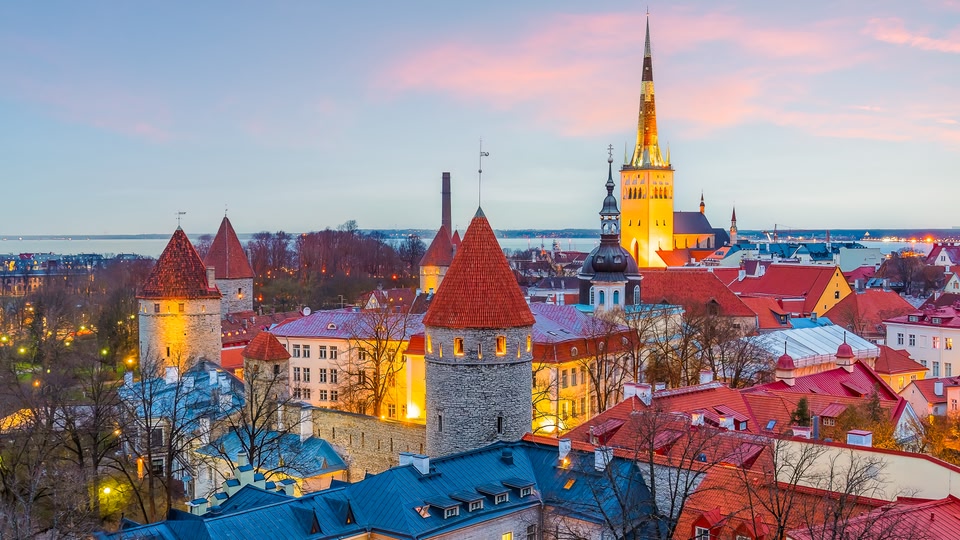
From Gothic spires to seaside promenades, Tallinn packs a major punch. Discover one of Europe’s best medieval cities, where centuries-old charm meets fresh Nordic cool on every corner.
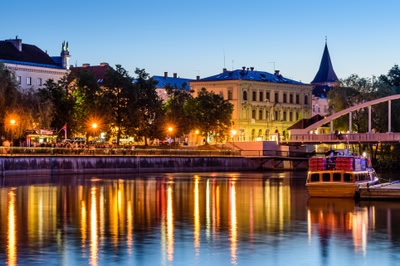
Tartu
Estonia’s oldest city buzzes with a youthful energy. With top-notch museums, a thriving cultural scene and heaps of personality, quietly cool Tartu has flown under the radar for too long.

Pärnu
Grab your sun hat and head for the golden sands and breezy festival vibes of Pärnu, Estonia’s summer capital. Or hit its famous spas — this laid-back resort town was made for unwinding.
Estonia: fast facts
Language
Estonian
Currency
Euro (€)
Time zone
UTC+2 (EET) and UTC+3 (EEST)
Estonia holiday highlights
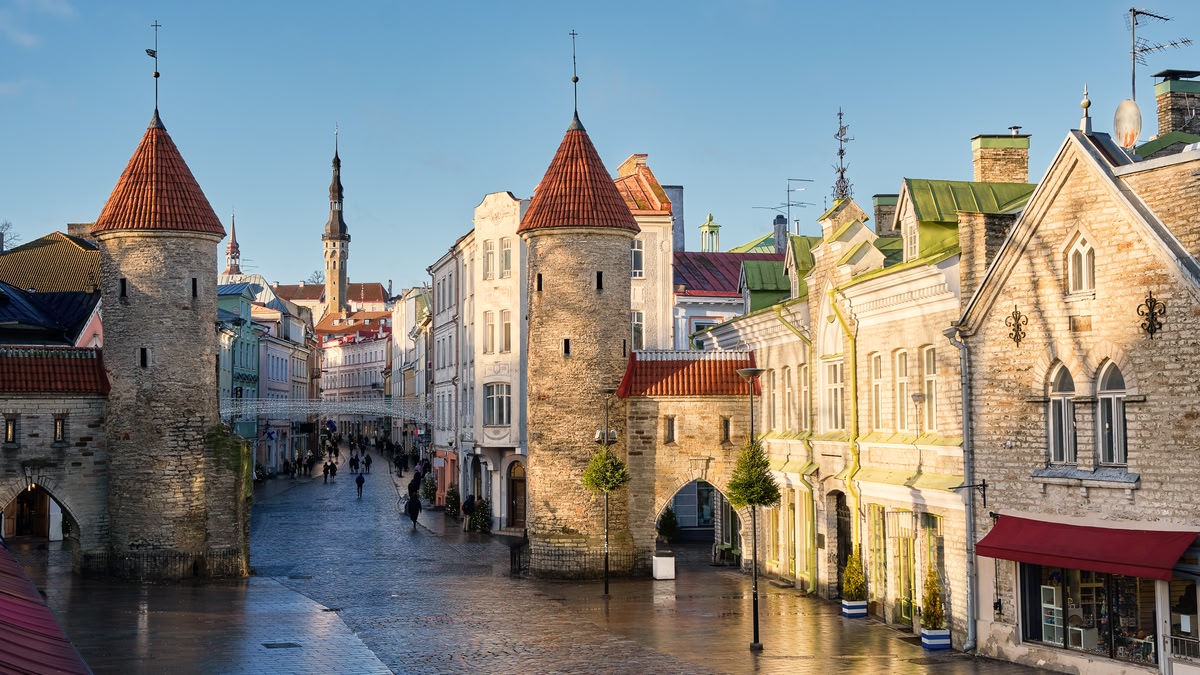
Medieval architecture
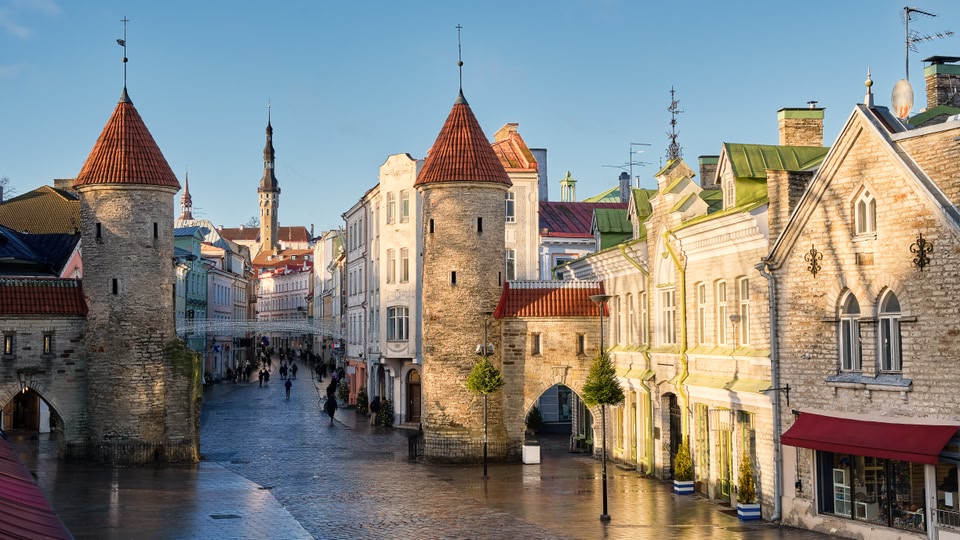
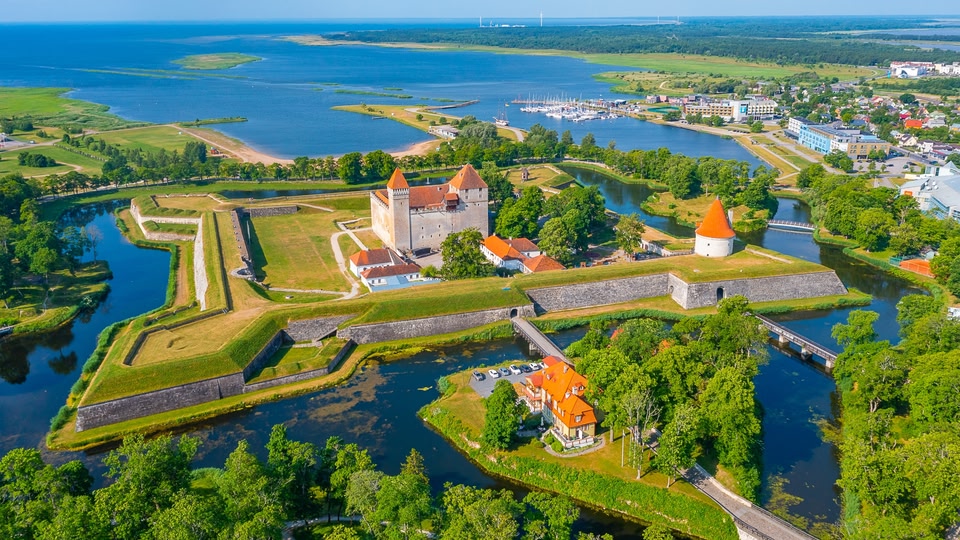
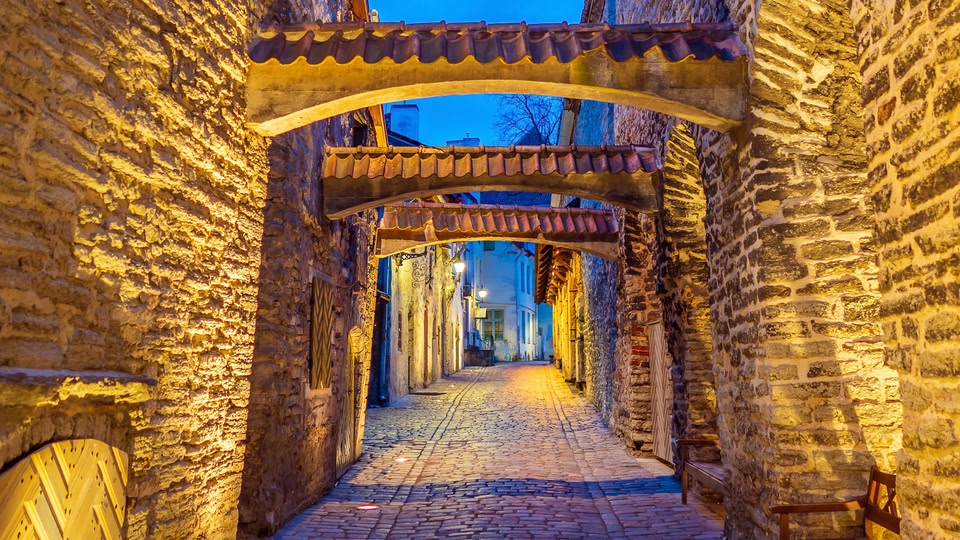
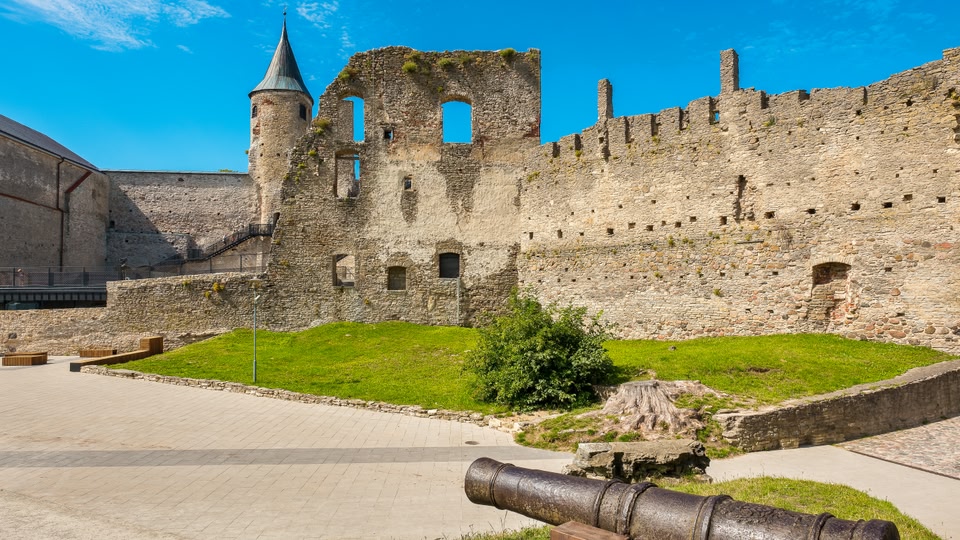
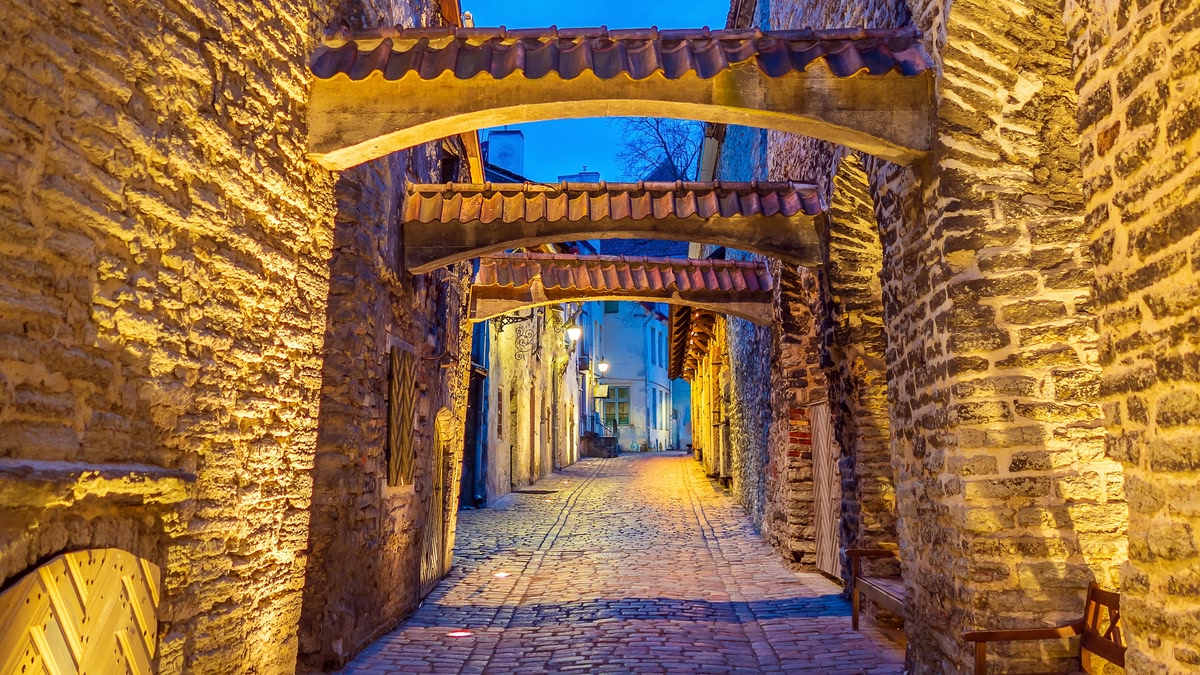
Medieval architecture is everywhere in Estonia, especially in Tallinn’s UNESCO-listed Old Town. Cobblestone streets, red-tiled roofs and landmarks like the Town Hall and Europe’s oldest pharmacy evoke the 14th century, when Estonia boomed as part of the Hanseatic League. Castles in Viljandi and Haapsalu bring history to life, especially during the medieval-themed Hanseatic Days festival.
Sauna culture
Estonian society runs on saunas. Most homes have one, and holidays often feature group sauna sessions. Sweating with locals is one of the best things to do in Estonia. There are smoke saunas and saunas that float on rafts, so you can beat the heat with a quick dip in an icy lake. There’s even an International Sauna Day held every June.
Ancient bogs
Estonian bogs are spongy wetlands up to 10,000 years old. Hiking around the bog is a favourite pastime here, giving rise to the saying, “All Estonian roads lead to the bog.” Specialised bog shoes let you explore these delicate landscapes, where you can pick cloudberries, spot migrating birds and swim in the pristine waters of a bog lake.
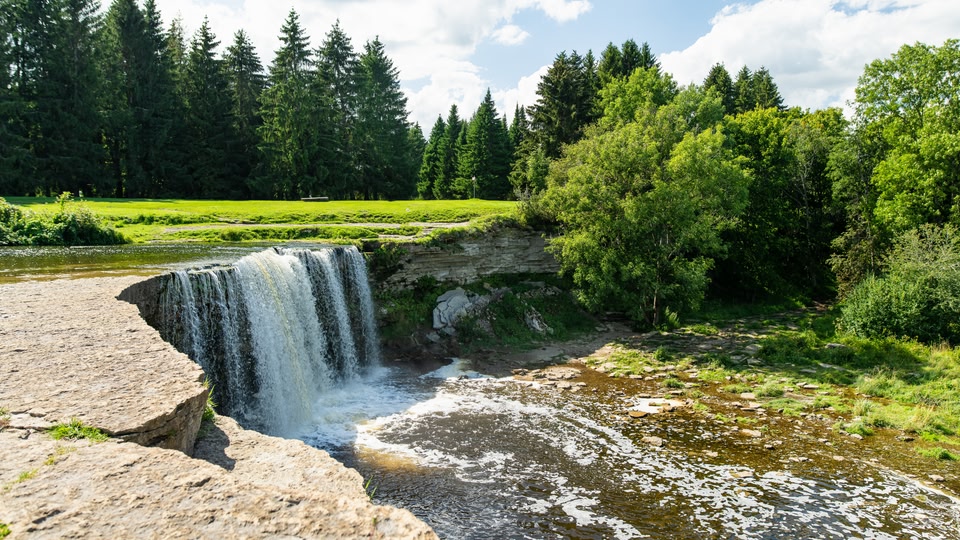
Things to do in Estonia
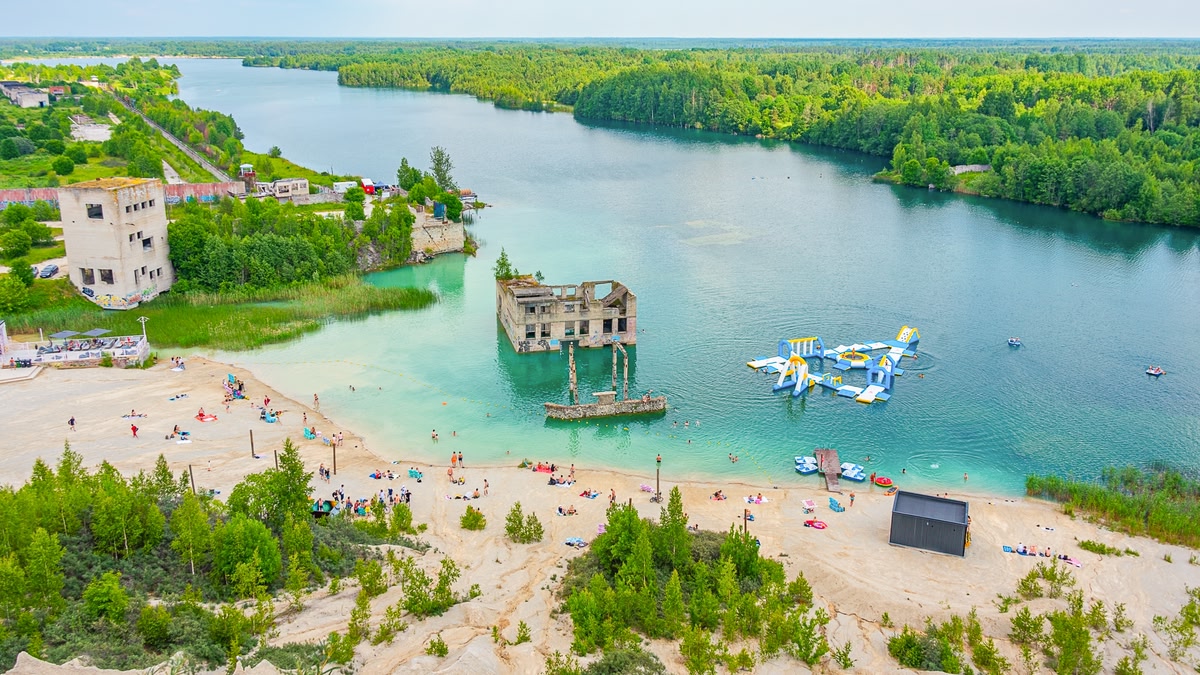
Top attractions
The country’s largest national park, Lahemaa, has it all — enchanting bogs, wildlife, even the remnants of a secret Soviet submarine base. Admire the colourful medieval houses of Tallinn’s Toompea Hill, whose castle is the seat of the Estonian parliament. For a taste of spa culture, unwind in Pärnu, a resort town known for its mud baths and golden beaches.
Family friendly
Tallinn’s PROTO Invention Factory is a festival of interactivity like something out of ‘Willy Wonka’. It features exhibits that let you ride a flying bike, travel in a hot-air balloon and more. The Lennusadam (Seaplane Harbour) museum has a 16th-century shipwreck, an Estonian icebreaker, submarines, a flight simulator, an aquarium and paper-plane throwing activities.
Beaches
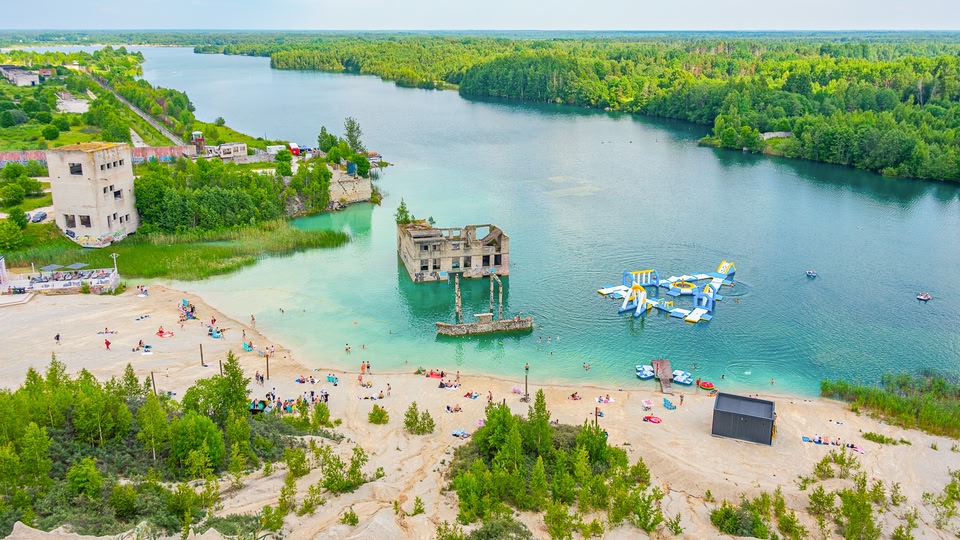
With nearly 3,800 kilometres of coastline, countless islands and one of Europe’s largest lakes, Estonia has beaches to spare. On the southwestern coast, Pärnu is the country’s summer capital, with waters that are comfortable for swimming come August. In winter, do like the locals and dive into an ice hole, followed by an immune-boosting sauna.
Nature
Estonia’s northern air is among the cleanest in the world. No wonder the birds love it so much. The country is one of the best places in Europe to spot woodpeckers, golden eagles and nearly 400 other species, especially during the spring migration. Bring your binoculars to Matsalu and Vilsandi national parks for prime viewing.
Cuisine
Traditional Estonian restaurants celebrate simple, seasonal food that shares features with the country’s Eastern European and Nordic neighbours. Staple ingredients include barley, cabbage, root vegetables and smoked fish, always accompanied by dark rye bread. In warmer months, the forests burst with delicacies like wild garlic, nettles, spruce shoots, chanterelle mushrooms, lingonberries and more.
Culture and museums
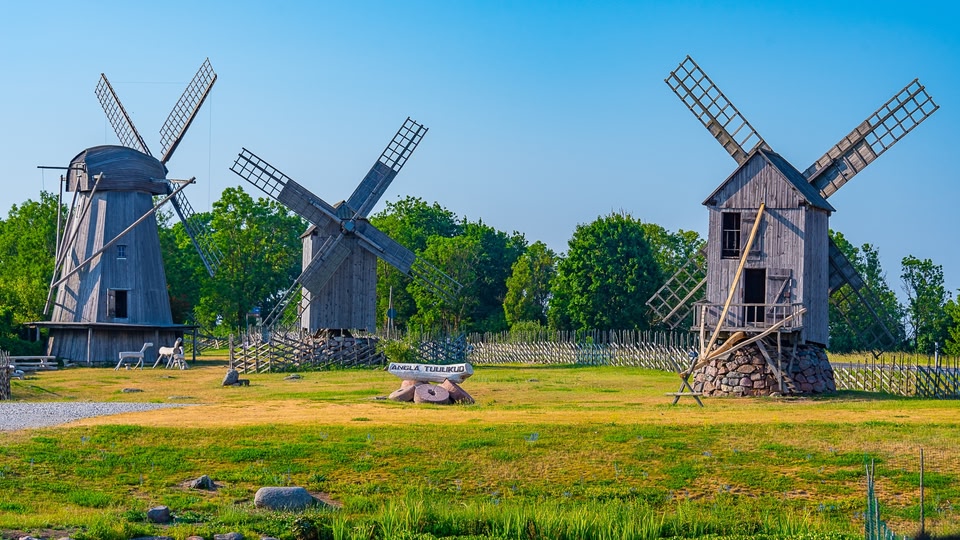
Of the 170 museums in Estonia, the Estonian Open Air Museum is among the most interesting. The park preserves authentic historic buildings, from fishermen’s huts to Soviet-era collective farms. In Tartu, the Estonian National Museum offers a sweeping look at ancient history, while the Estonian Art Museum (KUMU) showcases contemporary art.
Find the best time to visit Estonia
Weather in Estonia
March – May: The Estonian spring can be cold and muddy, but it warms up by May, a good month for birdwatching and bog-shoeing. Pack a rain slicker, gloves and boots.
June – August: Summer is arguably the best time to visit Estonia. The days are long, with up to 19 hours of daylight. And you’ll find swimmable waters off the southern coast.
September – November: Autumn starts out mild, with spectacular foliage. Bring a camera and your hiking shoes. As the season deepens, the weather gets windier and rainier.
December – February: Winter brings short, dark days and freezing temperatures. Pack your warmest layers and good boots so you can enjoy the charms of Christmas in Tallinn.
Events in Estonia
Jazzkaar (April): The biggest jazz event in the Baltics has been bringing top artists to Tallinn for more than 20 years.
Midsummer (June): Also known as Jaanipäev, the most popular event in Estonia rings in the start of summer with beach bonfires, food and drink and, of course, sauna sessions. Held on the solstice, the longest day of the year, the sun barely sleeps. And neither do the locals!
Song Festival (July): Every five years in July, tens of thousands of singers come together on the site of the Singing Revolution, non-violent protests that helped the country win independence from the Soviet Union.
Saaremaa Opera Festival (July): The medieval castle at Kuressaare hosts a week-long celebration of opera.
Know before you go
Getting around Estonia
Public transportation
Buses: To get where trains don’t reach, take a bus. LuxExpress operates a fleet of comfortable, air-conditioned, Wi-Fi-equipped coaches that shuttle passengers between the major cities. The trip from Tallinn to Tartu takes about two-and-a-half hours.
Trains: The trains in Estonia are a fast, affordable and reliable way to get around the north coast, as well as a handful of regional centres. Routes and schedules are a bit more limited than the bus.
Boats: International ferries connect Tallinn to Helsinki in about two hours, and an overnight ferry gets you to Stockholm. There is also regular ferry service to Estonia’s larger islands, including Saaremaa and Hiiumaa.
Domestic flights
Estonia is a small country, so domestic air travel is limited. But it is possible to fly between Tallinn and Saaremaa or Hiiumaa in under 40 minutes on the regional airline NyxAir.
Driving
You can cross Estonia by car in about three hours on highways that are generally well maintained (though some rural roads are unpaved). Observe speed limits strictly, especially in winter, when conditions can make driving more dangerous. Snow tyres are required between December and March. When driving at night, watch out for wandering moose.
FAQs about Estonia holidays
More holiday inspiration

Do I need a visa travelling from India?

Flight cancellations and delays: What to know about claiming compensation


