Your guide to Poland
Top destinations in Poland
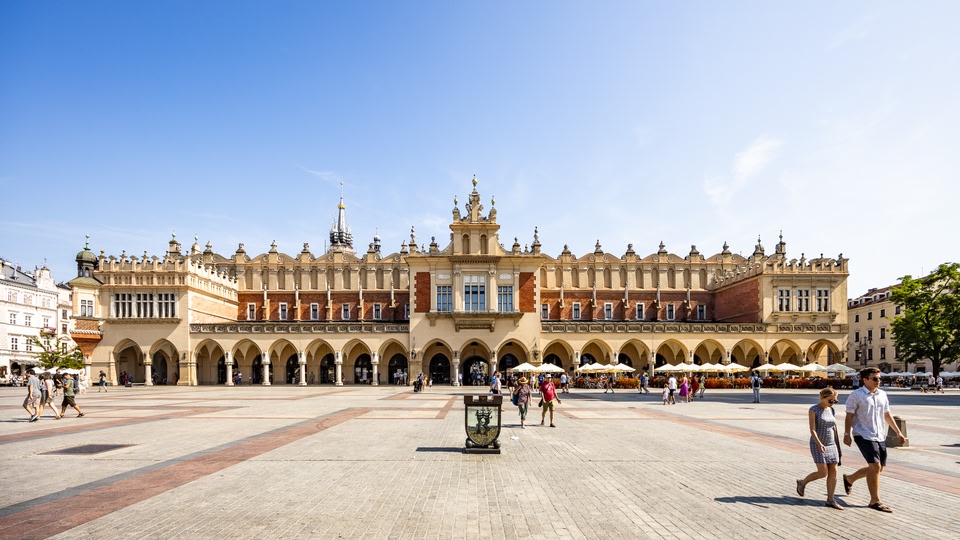
Krakow
With its fairy-tale castle and beautifully restored Old Town, this Polish city honours its past. But trendy nightlife, edgy museums and colourful street art bring Krakow into the 21st century.

Warsaw
Poland’s under-the-radar capital has been turning heads with its growing arts scene, buzzy restaurants and sprawling urban parks. It’s time to give Warsaw a second look.
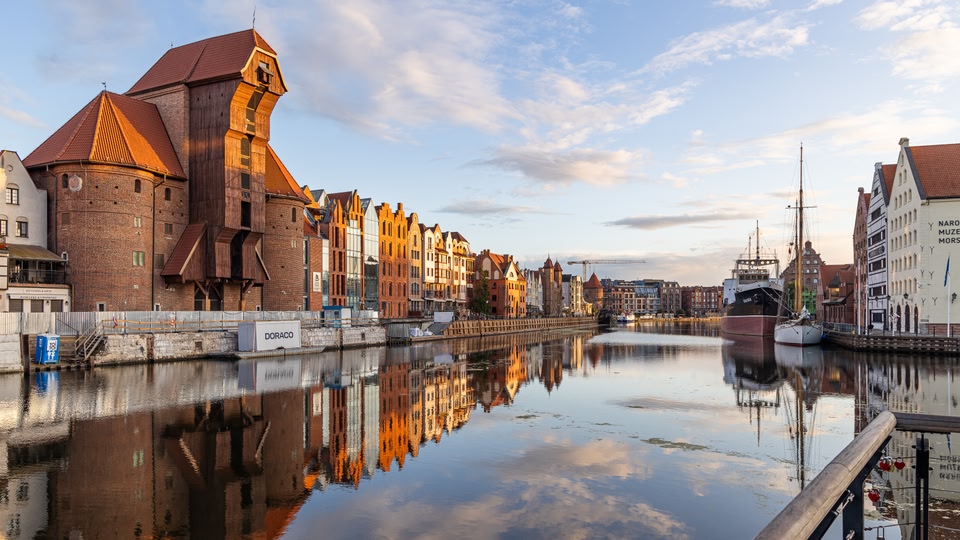
Gdansk
You’re never far from the past in Poland’s picturesque port city. Explore its Old Town and medieval gates, then hunt down the best craft beers and dumplings.
Poland: fast facts
| Language | Polish |
|---|---|
| Currency | Polish zloty (zł) |
| Time zone | UTC+1 (CET) and UTC+2 (CEST) |
Poland highlights
Admire the architecture
Walking the cobbled streets of a picturesque old town is one of the most memorable things to do in Poland. Marvel at the blend of medieval, Renaissance and Baroque architecture in the elegant arcades of Zamość or see the Gothic gates of Toruń. Don’t miss Warsaw and Gdańsk’s pastel-coloured townhouses, which were painstakingly reconstructed after World War II.
Get outdoors
From its southern mountain range to its northern lakes, Poland’s landscape is more varied than its central plains suggest. Hike, ski or go river rafting in the Tatra Mountains, which have year-round dramatic views. You can kayak and canoe in the Great Masurian Lake district. Or try sandboarding on the dunes in Słowinski National Park, located on the Baltic coast.
See castles and palaces
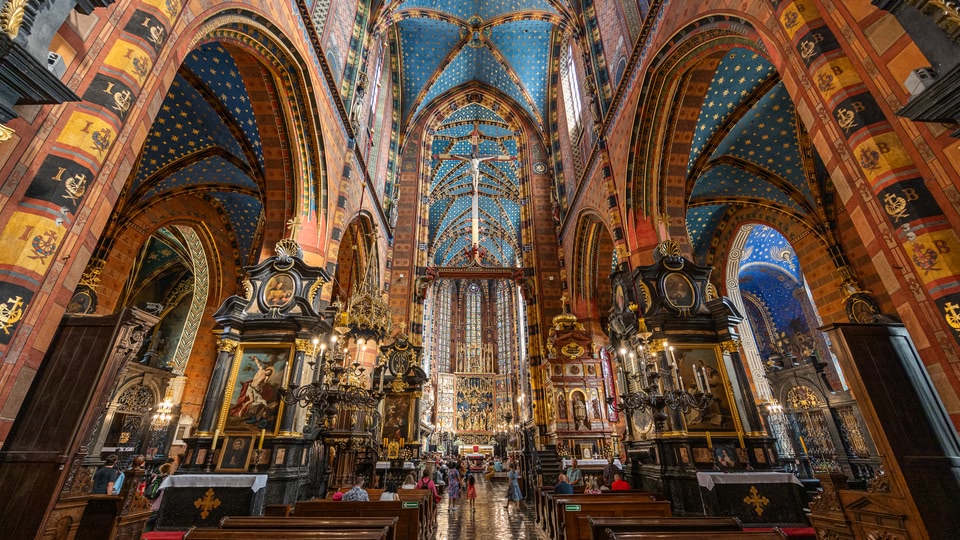
Centuries of royal rule have left a dazzling legacy here. The Wawel Royal Castle in Krakow was once the country’s ultimate seat of power — today, even commoners can wander its magnificent staterooms. Lublin Castle’s fortified walls are home to artistic masterpieces, and Malbork Castle, built by 13th-century knights, is the world’s largest brick building.
Things to do in Poland
Top attractions
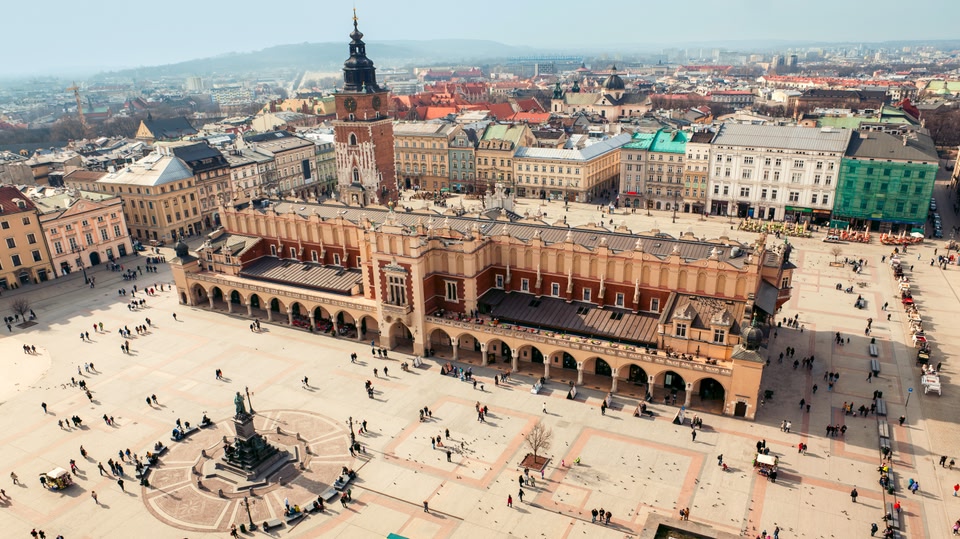
Rynek Główny, Krakow’s central square, is Europe’s largest medieval marketplace and a great place to shop for Baltic amber. The Wieliczka Salt Mine underground city is carved entirely of salt, including the cathedral and the chandelier that illuminates it. Don’t miss the Auschwitz-Birkenau Memorial and Museum, a sobering site of remembrance for over a million Holocaust victims.
Beaches
Poland’s Baltic coastline is something to behold. Stretches are backed by wildflower-specked dunes, and you’ll find features like the Prussian fortifications at the German border and the 19th-century saltwater spa at Kołobrzeg. The Gulf of Gdańsk is known for the elegant resort of Sopot and the narrow spit of the Hel Peninsula, a prime spot for kitesurfing.
Nature
Nearly a third of Poland is publicly owned forest. That includes the Białowieża National Park, home to one of Europe’s last remaining old-growth forests and its only population of wild bison. The mountainous spruce forests of Karkonosze, on the Czech border, bear the marks of the Ice Age, when glaciers shaped the landscape into dramatic cliffs and hollows.
Culture and museums
From pinball and posters to Chopin, there are museums in Poland celebrating every aspect of the local culture. Explore 20th-century history at the Warsaw Rising Museum or Gdańsk’s Museum of the Second World War. Trace 1,000 years of Jewish history at POLIN Museum. Head to Łódź, where hundreds of works of street art have turned the city into an open-air gallery.
Cuisine
Polish cooking is full of comfort — think silky soups, hearty stews and ‘pierogi’, dumplings that can be filled with cheesy mashed potatoes or juicy blueberries. The restaurants in Poland also offer avant-garde cuisine where you least expect it, like in a former bottling plant in a remote industrial town. Make sure to try ‘zapiekanka’, the mushroom-topped bread and popular street snack, or Toruń’s much-loved gingerbread.
Family friendly
Energylandia in Zator is Poland’s largest theme park. At Krakow’s interactive Living Obwarzanek Museum, learn to make the pretzel-like street snack enjoyed here for 600 years. Warsaw’s colourful Neon Museum gives dazzling insight into the city’s Cold War era. The Tatra Mountains are packed with kid-friendly activities — enjoy epic views from the cable car, then sledge back down.
Find the best time to visit Poland
Weather in Poland
March – May: Mild temperatures and sunshine make this the best time to visit Poland for city breaks. But be sure to pack for rain showers.
June – August: Summers are generally warm and sunny with occasional heatwaves. Kick back on a Baltic beach or paddle board the Great Masurian Lakes. Thunderstorms are common in July and August, so keep the umbrella handy.
September – November: Foliage makes early autumn a gorgeous time for hiking. Take your pick from dozens of national parks. A chill sets in by late October.
December – February: Winters are cold and snowy, with freezing temperatures through much of the country. This is prime ski season in the Tatra Mountains.
Events in Poland
Sunday Chopin Concerts (May to September): Frédéric Chopin was one of history’s great composers. His music was banned under Nazi occupation, but today global talents perform his work in Warsaw’s Łazienki Royal Park. Do bring a picnic blanket.
Krakow Pierogi Festival (August): Come hungry to Poland’s biggest dumpling party. If you’re feeling adventurous, swap traditional flavours like sauerkraut and mushroom for chocolate and chilli. Sample as many as possible before voting for your favourite.
Christmas Markets (November to January): Gdańsk’s Christmas market is one of the best in Europe. In keeping with a maritime city, Father Christmas arrives not by sleigh but aboard a pirate ship. Warm up with ‘oscypek’, a hot smoked sheep’s cheese.
Know before you go
Local etiquette
When riding public transport, it’s customary to give up your seat for elderly, disabled or pregnant travellers. Drinking alcohol in public is illegal and can result in a fine. If you’re invited into a Polish home, remove your shoes at the door and prepare to accept a pair of slippers.
Health and safety
Exploring the Tatra Mountains requires preparation. Pack a map and water, and let someone know where you’ll be. Altitude sickness is common, so stick to simple routes if this is unfamiliar terrain. The sun can be fierce here. In summer, stay hydrated if sunning yourself at the beach. Be sure to wear reflective gear when walking on unlit roads after dark.
LGBTQ+ travel
Poland offers a mix of experiences for LGBTQ+ travellers. Warsaw and Krakow have visible queer communities, with Pride events like the Warsaw Equality Parade drawing large crowds. Warsaw even has a queer museum. You’ll find that conservative attitudes persist in rural communities. Use discretion and avoid public displays of affection when travelling outside of the cities.
Budget
Thanks to the low cost of living, it’s not hard to visit Poland on a budget. An inexpensive meal costs around 40 Polish złotych (zł), and a local beer is about zł14. For hearty helpings, try the former state-sponsored cafeterias known as ‘milk bars’.

Getting around Poland
Public transport
Buses: Long-distance operator Flixbus is affordable and runs between major cities like Warsaw, Krakow and Gdańsk. You’ll find regional operators servicing smaller towns and rural destinations.
Trains: PKP Intercity connects cities and smaller towns across the country. For a scenic journey, travel between Krakow and the mountain resort of Zakopane, passing quaint villages, dense forests and the majestic peaks of the High Tatras.
Boats: Ferry ports along the Baltic coast in Gdańsk and Świnoujście offer direct journeys to Sweden, Denmark and Germany. Experience Krakow’s beauty on a sunset cruise along the Vistula River.
Domestic flights
While Poland’s trains and buses are convenient, domestic flights can save time on longer trips. Warsaw Chopin Airport offers frequent connections to cities like Wrocław, Lublin and Katowice. Regional airports in Kraków, Gdańsk and Poznań also serve domestic routes.
Driving
Driving in Poland is generally easy. Major highways like the A4 and A1 connect key cities and borders. Snow tyres are recommended in winter, and summer roadworks can slow things down. Rural roads may be rough, and there’s zero tolerance for drinking and driving — even one drink is too many.


