Holidays to Cuba
Top destinations in Cuba
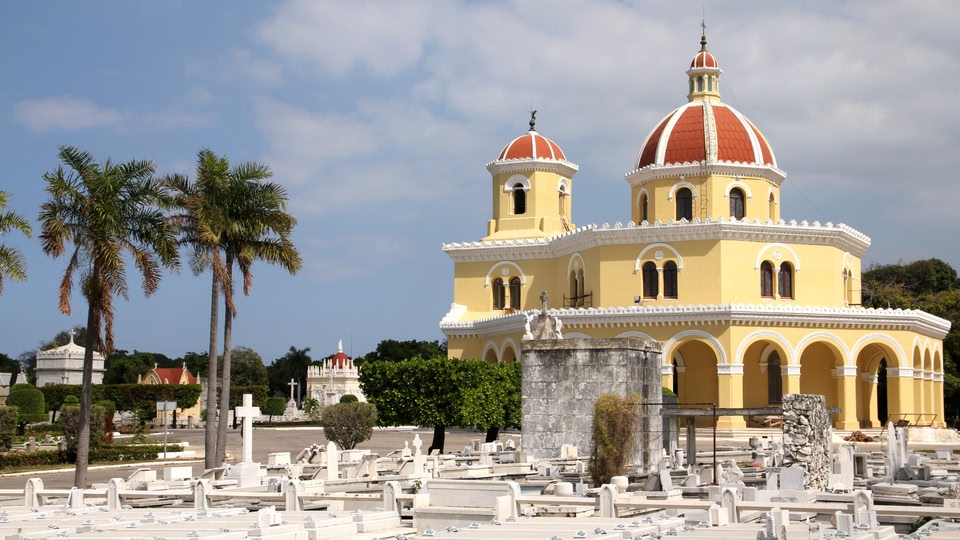
Havana
Havana’s timeless charm will win you over. Cruising in a vintage American taxi to a plaza surrounded by colourful architecture for a rum cocktail at sunset is just the start.

Varadero
Bask on white-sand beaches, dive among storied shipwrecks and feast on impossibly fresh seafood. It’s all at your fingertips in Varadero, Cuba’s hottest beach getaway.

Santiago de Cuba
You can’t ignore the bright colours of Santiago de Cuba. With vibrant old cars, pastel-hued buildings and lively summer fiestas, Cuba’s second city encompasses the whole rainbow.
Cuba: fast facts
| Language | Spanish |
|---|---|
| Currency | Cuban peso ($) |
| Time zone | UTC-5 (CST (Cuba)) and UTC-4 (CDT (Cuba)) |
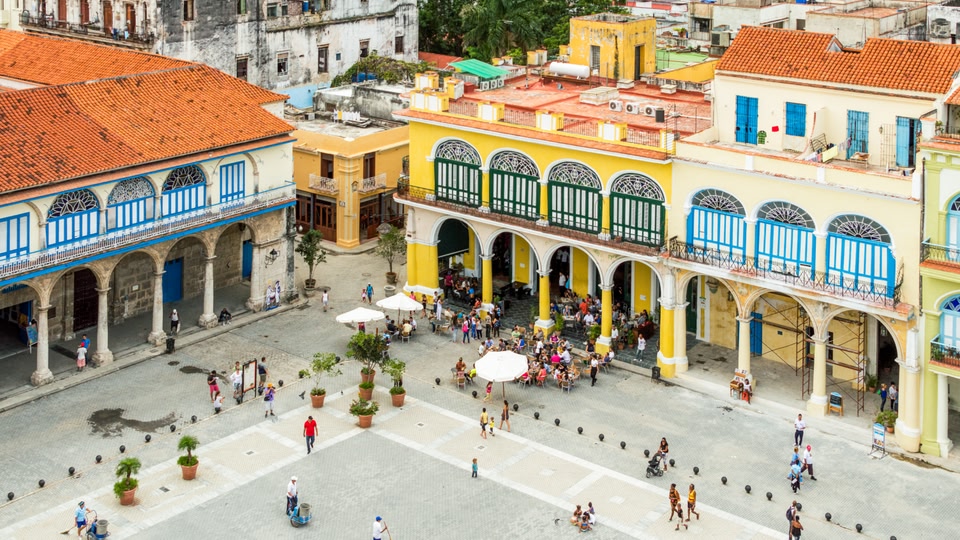
Cuba holiday highlights
Iconic architecture
Havana’s buildings are a blend of colours, textures and architectural styles that beg to be photographed. Don’t miss the colourful facades that line El Malecón, the 18th-century Baroque cathedral. Or the outline of Che Guevara’s face on the Ministry of the Interior building. Feeling déjà vu? Havana’s Capitol building is a near replica of the US Capitol in Washington, DC.
The guesthouse experience
For years, many budget-conscious visitors to Cuba didn’t stay in hotels. Instead, they rented rooms in private homes called ‘casas particulares’. Staying in one of these guesthouses is an essential Cuban experience and a great way to get to know locals. The rooms are usually simple, and the breakfasts consist of fresh tropical fruits, eggs, bread and juice.
Hemingway’s Havana
If you’re into literature, visiting Ernest Hemingway’s favourite haunts is one of the top things to do in Cuba. You can see Finca Vigía, the estate where the author wrote some of his most famous novels. Or order a daiquiri at El Floridita in Old Havana, which has a life-sized bronze statue of Hemingway leaning on the end of the bar.
Things to do in Cuba
Top attractions
Colourful buildings and lively streets make Old Havana a dream for photos. Music spills from its cobblestoned UNESCO-listed alleys day and night. Step inside Batista’s former palace to explore Cuba’s past at the Museo de la Revolución. And head to colonial Cienfuegos, nicknamed the ‘Paris of Cuba’, for relaxed, French-inspired charm.
Beaches
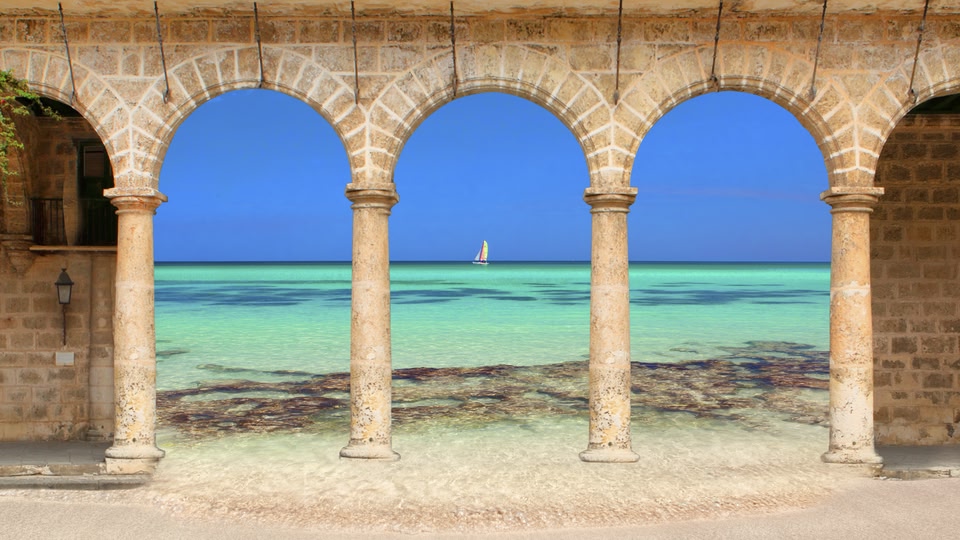
The beaches in Cuba are among the most beautiful in the Caribbean. Close to Havana, the Playas del Este boast powdery white sands and crystal-clear waters. For fantastic snorkelling and scuba diving, head for the coral reefs of Guardalavaca on the northern coast. If you’re visiting Trinidad, nearby Playa Ancón makes a great day trip. Family-friendly Varadero is a popular stop too.
Nature
Hike or bike through Viñales Valley, where tobacco fields stretch between towering limestone cliffs, one of which is painted with a huge mural. See flamingos and bats among the mangroves at Caguanes National Park. Or bring your birding binoculars and scuba gear to the Ciénaga de Zapata National Park, which teems with wildlife above and below the water.
Culture and museums
With works by international and Cuban artists, the Museo Nacional de Bellas Artes in Havana is among the best museums in Cuba. Fans of Gaudí should check out the outdoor mosaic museum Fusterlandia. In Santiago de Cuba, the Moncada Museum tells the dramatic story of Castro’s revolution. Havana’s Nacional Hotel often hosts a variety of live music and dance performances.
Cuisine
Many of the best restaurants in Cuba are small, family-run spots called ‘paladares’. You can find paladares serving simple, traditional fare like plantains, ‘ropa vieja’ (shredded meat) and beans and rice. You could also splash out at more upscale spots where chefs turn out innovative dishes like lobster ceviche, duck confit and grilled octopus.
Family friendly
In Viñales, saddle up for horse rides through lush, ancient landscapes. Cool off in the jungle pools at El Nicho waterfalls, near Cienfuegos. On the Zapata Peninsula, close to the Bay of Pigs, spot pink flamingos in the wild and visit a crocodile farm for an up-close look at Cuba’s wildlife.
Find the best time to visit Cuba
Weather in Cuba
May – October: Cuba’s long summer is hot and humid, with rain more likely at the beginning and end of the season. Travel bargains are easier to find, though beaches stay busy with local families during school holidays. Hurricane season starts in June and continues to November, so keep an eye on forecasts and plan accordingly.
November – April: The dry season is the best time to visit Cuba. Expect sunny skies, warm Caribbean waters and pleasant temperatures that are perfect for sightseeing or relaxing on the beach. January and February are the coolest months, so bring a light jacket for the evenings.
Events in Cuba
Havana International Book Fair (February): Held at the historic San Carlos de la Cabaña fortress, this major literary event draws huge crowds and highlights the work of a different guest country each year.
Santiago de Cuba Carnival (July): Cuba’s oldest Carnival fills the streets with parades, costumes, conga lines and music that celebrate the city’s African, Spanish and Caribbean roots.
Las Parrandas de Remedios (December): Near Santa Clara, Remedios throws Cuba’s wildest Christmas party. Enjoy rumba parades, live music and fireworks displays.
Havana Film Festival (December): Since 1979, this festival has showcased new films and documentaries from across Latin America and the Caribbean.
Know before you go
Local etiquette
Locals greet one another with a handshake, a cheek kiss or a hug, depending on the relationship. It’s considered good manners to greet everyone in a room with a friendly ‘buenos días’. Avoid discussing politics with strangers. Dress is typically casual and suited to the weather. Tipping around 10% is customary in restaurants, bars, cafes and hotels.
Health and safety
Be careful of dehydration and heat exhaustion if you’re travelling in warmer months. Ensure your routine vaccinations are up to date, and consider getting the hepatitis A and B vaccines. Always use insect repellent to protect against mosquito-borne diseases like dengue and Zika. And stick to bottled water, especially in rural areas.
LGBTQ+ travel
Cuba is generally safe and welcoming for LGBTQ+ travellers. Same-sex marriage was legalised in 2022, and anti-discrimination protections were added to the constitution in 2019. While there’s no official Pride parade, the government sponsors events for the International Day Against Homophobia, Transphobia and Biphobia each May. Public displays of affection are best kept discreet.
Budget
With a little planning, it’s not hard to have a cheap holiday in Cuba. A short cab ride costs about 60 Cuban pesos ($), and you can find a cheap meal for under $200. A local beer can be had for less than $60.

Getting around Cuba
Public transportation
Buses: The bus company Viazul is perfect for travellers, connecting Havana to popular tourist destinations like Viñales, Santiago, Varadero and Baracoa. Trips can be long, but the views are spectacular, and the coaches are air-conditioned and comfortable. Tickets for popular routes can sell out quickly, so purchase in advance.
Trains: Don’t be fooled by Cuba’s extensive rail network. Trains are unreliable and not very comfortable. Bus travel is usually a better bet.
Boats: Ferry service is limited, but there is a regular boat that runs between Old Havana and Casablanca and Regla. Another popular route connects Surgidero de Batabanó to Isla de la Juventud, a journey that takes three hours by catamaran.
Domestic flights
Cuba has around a dozen passenger airports, with state-owned airlines Cubana and Aerogaviota offering flights between Havana and top tourist destinations. But domestic air travel is often expensive, and schedules can be unreliable.
Driving
Hiring a car in Cuba is a great way to explore at your own pace. Just keep in mind that road conditions can be patchy, and signs aren’t always clear. During migration season, you might even share the road with crowds of crabs.


