The winters see clear and sunny skies. Towards the end of October, make a trip to the Gangtey valley and see the black-necked cranes. Travel from December to February is preferable for seasonal discounts. In the summer months, admire the floral spectacle (with rhododendrons, magnolias and primulas blooming) and enjoy Tsechu festivities at Paro Dzong. In September, witness the Thimpu Tsechu at Tashichho Dzong.
October to December: Plan a trip to Trongsa and Gangtey
Trongsa lies in central Bhutan and once served as seat of the kingdom. The Trongsa Dzong is built on a steep ridge, with the imposing fortress crowning the valley. The annual Tsechu festivities are held here over five days in December or January.The Black-necked Crane festival is held annually at the Gangtey monastery to mark the the arrival of the cranes from the Tibetan Plateau. Mask dances, skits and songs are performed by the locals. It is believed that the cranes circle the Gangtey monastery three times on arrival as well as on their way back to Tibet.

March to May: Plan a trip to Paro and Haa
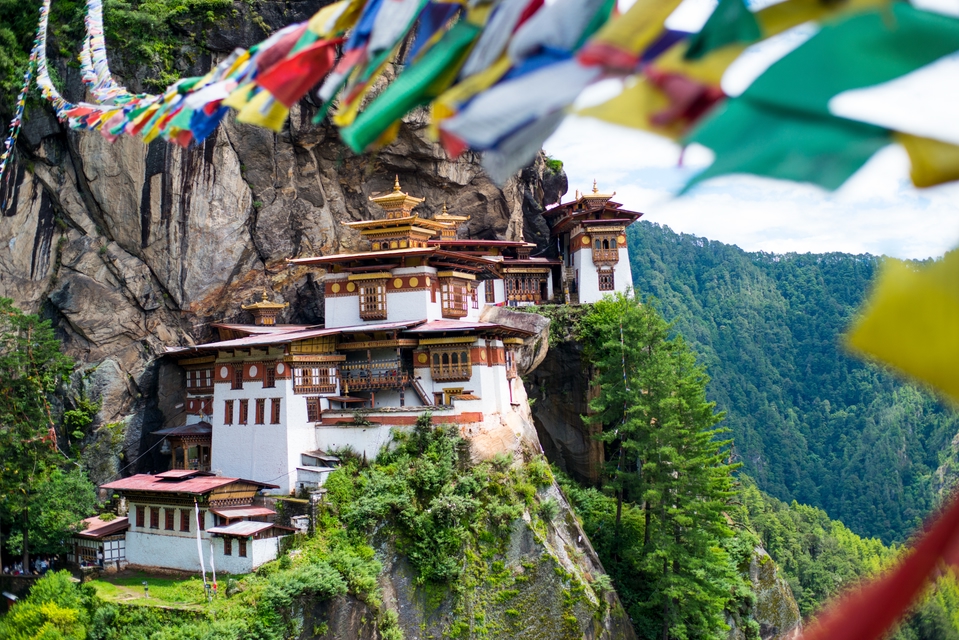
Paro town does not have much to offer, with a host of stores selling overpriced handicrafts. Opt for a home stay at the Paro valley, a homestay experience will help you observe the Bhutanese familial customs and way of living. At Paro, reserve a day for hiking up to the Tiger’s nest monastery.
Read more: Trek to Tiger’s Nest
Paro is the base for the scenic Druk Path trek. On the week long trek, you will cross villages, fortresses, temples, forests and lakes. In the summer months, you can admire the floral blooms of rhododendrons. One can also view the highest unscaled peak in the world, Mount Gangkar Puensum.
From Paro, drive down to Haa Valley. En route is the 3988 metres high Chele La pass, a vantage point for views of the valley. The pass is atmospheric, with hundreds of Buddhist prayer flags fluttering all around.
September: Participate in the festivities at Thimpu
The Thimpu Tsechu festival is celebrated over three days. Folk dances, short skits and performances with colourful masks are held at the sprawling Tashichho Dzong.
The central district of Nordzin Lam is the soul of the city. Post twilight, amble down to the Clock Tower Square. The pubs start buzzing and Bhutanese pop wafts in the air. Head to Ambient Cafe at Nordzin Lam for great coffee and waffles.
The Choki Traditional Art School must feature on your itinerary. Pick up masks, Thangka paintings and your very own Bhutanese dress – the gho or kira – at the shop here. Also, visit the Changangkha temple in central Thimpu. This Buddhist temple is visited by parents to receive blessings for their new borns. The sanctum sanctorum houses an exquisite idol of the Buddha.
From Thimpu, you can plan a trip to Punakha valley, via the Dochula pass. The majestic Dzong at Punakha is a sight to behold. You can also plan the Samtengang trek from Punakha to Wangduephodrang Dzongkhag.
How to reach Bhutan?You can fly to Paro from Delhi, Bagdogra or Kolkata. Another option is fly to Bagdogra and drive down from Bagdogra to Bhutan via the border town of Phuntsholing. Indian, Bangladeshi and Maldivian passport holders do not require a prior Bhutan visa clearance.
Read more: No visa, no problem
Best Time To Book Your Flights To Bhutan
The flight tickets to Paro are cheaper if you book nine to twelve weeks in advance. You may also get good deals if you book two to four weeks in advance. Sign up for Skyscanner’s price alerts to track the fare changes and plan your next holiday.Note: The best time to book data refers to the price paid against the average price for return flights for 1 person to Paro from across India during the time period 1st January 2015 – 31st December 2016