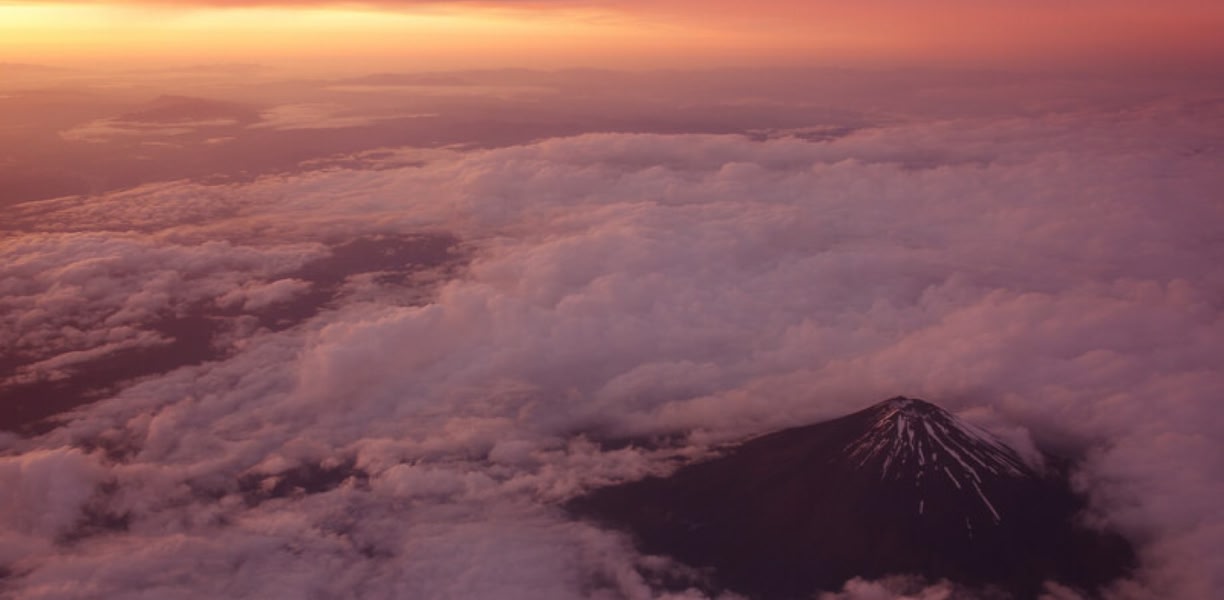
Create lifelong memories with mountain hikes and activities in Japan.
Exploring Japan’s striking mountains is sure to be a trip to remember. See the famous Mount Fuji and visit a selection of the country’s unique and characterful national parks.
Discover Japan’s mountains
There are plenty of adventures to be had when exploring Japan’s mountains
Japan’s mountains offer the perfect opportunity to enjoy the great outdoors and take part in some exhilarating activities. With options for beginners and experienced hikers, there are so many mountain trails to be discovered. If you’d prefer to explore on two wheels, cycling is another fun option which will enable you to see the sights at your own pace. Depending on which mountains you decide to visit, you can also climb, kayak, snowshoe, canyon, and much more!
The history of Japan’s mountains
Tectonic plates, volcanic activity, and unique erosion
With so many mountains across the country, it’s no surprise that Japan has a variety of mountain origin stories. A number of Japan’s mountains are the result of uplift from the collision of tectonic plates, and others were created by volcanic activity. The weather has played an important part in the formation of the country’s mountains too, with rain and heavy snowfall leading to intense erosion, creating their unique forms and features.
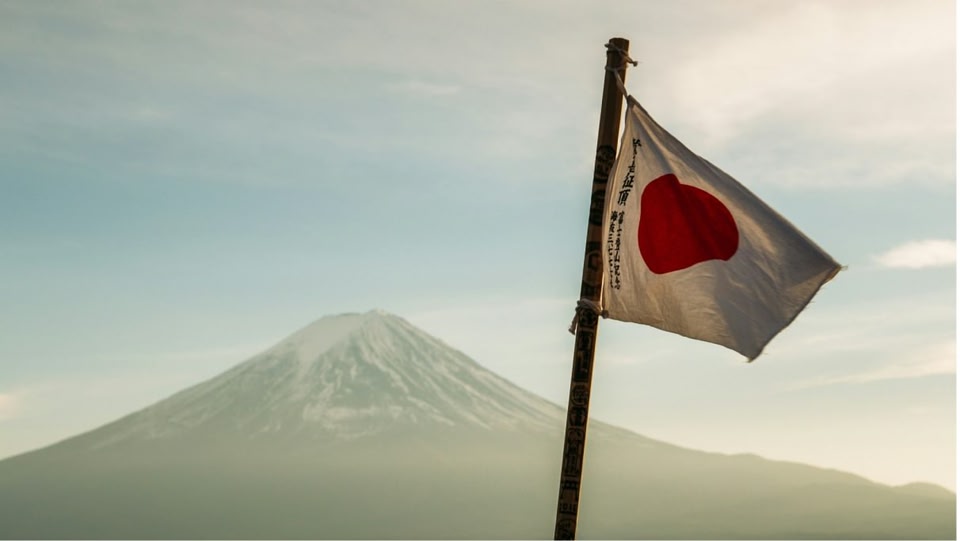
Japan’s best mountains for travelers
Explore Japan’s most popular mountains for yourself
People travel to Japan to see the country’s mountains for many reasons. From local wildlife and striking scenery to mountain activities and hiking through unique landscapes, there’s something for everyone.
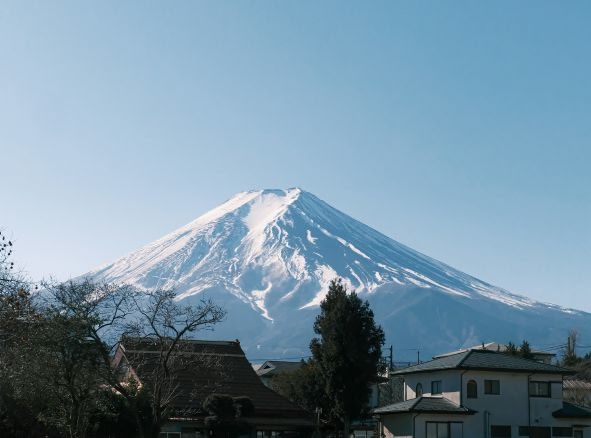
Mount Fuji
Japan’s highest peak
Standing at 3,776m, Mount Fuji is Japan’s highest peak and a popular destination for both Japanese and international tourists. The trek to the summit is moderately difficult and typically takes 5-7 hours. You can reach the mountain by bus from Tokyo or Shinjuku Station.

Japanese Alps
3 mountain ranges
Comprising three mountain ranges, the Japanese Alps offer numerous options with varying levels of difficulty, from climbing and long trail courses to forest hiking and plateau trekking. Treks can take between a few hours to several days. The Alps are accessible via train from Tokyo to Matsumoto, followed by a bus ride.
Cultural Fact File

Mount Koya
Sacred Buddhist mountain
Mount Koya, or Koyasan, is a sacred mountain at the center of Shingon Buddhism. The trek around the town and temples is relatively easy and can be completed in a day. Koyasan is reachable by train from Osaka, followed by a cable car ride.

Daisetsuzan National Park
Fantastic trekking
Daisetsuzan offers various trekking options with the difficulty depending on your choice of trail. Some take only a few hours and others require multiple days. The park can be reached by bus from Sapporo or Asahikawa.

Hakusan National Park
Diverse flora and fauna
Hakusan National Park is perfect for wildlife lovers and nature enthusiasts. The park’s moderately difficult trek can take 8-10 hours. Hakusan is accessible by bus from Kanazawa or Fukui Station.

Parc National de Nikko
Natural beauty and heritage
Nikko National Park is famous for its natural beauty and cultural heritage. There are plenty of activities to try here, including hiking, canyoning, and ice climbing. The park can be reached by train from Tokyo.
• Visit during autumn to see Japan’s stunning fall foliage.
• Hire a local guide for a safe and enjoyable experience.
• Book your chosen accommodation in advance, particularly during peak season.
Stay in comfort during your Japan travels
Find the perfect accommodation for your trip
Whether you’re travelling solo, as a family, with friends, or as a couple, there are so many hotels to choose from throughout Japan. With great locations available to use as a base to explore the country’s mountains, you’ll find the perfect accommodation for your needs.

Hotel Kaneyamaen
Foot of Mount Fuji

Alpine Route Hotel
Perfect for mountain activities

Sounkyo Kankou Hotel
Family-friendly

Japan’s stunning mountains are hugely significant for locals, both culturally and historically. Plus, they offer hiking opportunities alongside a range of other activities and experiences for tourists too. Which one will you explore?


