Maharashtra's most awe-inspiring archaeological treasures await you in the heart of the Deccan. These are the best things to do at Ajanta and Ellora Caves.
If a single trip could take you through over two thousand years of Indian history, art and faith, a visit to the Ajanta and Ellora Caves near Aurangabad would be it. These two UNESCO World Heritage Sites carved by hand into solid rock are among the finest examples of ancient Indian art and architecture, drawing history buffs, art lovers and spiritual seekers alike.
Ajanta and Ellora are about 100 kilometres apart from each other, so most travellers base themselves in Aurangabad and dedicate a full day to each site. Here how to make the most of your trip.
Essential information before you go
Best time to visit: October to March, when the weather is cool and comfortable. Monsoon (July to September) drapes the landscape in lush greenery but can make paths slippery.
Distance from Aurangabad airport: Ellora is around 30 km away; Ajanta is approximately 100 km.
Tickets for both sites can be booked online through the Archaeological Survey of India (ASI) portal, a good idea during peak season to skip the queues.
The best things to do at the Ajanta Caves
Wondering where to start on your visit to the Ajanta Caves? These are the experiences you'll want to do first.

Walk through 29 ancient Buddhist caves
The Ajanta Caves are a remarkable collection of 29 rock-cut cave monuments dating from the second century BCE to about 480 CE. Nestled within the Satmala Hills along the banks of the Waghora River, the caves are situated in a horseshoe-shaped bend of the rock face overlooking a narrow stream. This natural amphitheatre setting is itself a sight to behold. Allow a good three to four hours to explore at a comfortable pace, focusing on the most celebrated caves rather than rushing through all of them.
Admire the sculptural masterpieces
Beyond the paintings, Cave 26 houses an unmissable reclining Buddha sculpture, while Cave 1 features the iconic Bodhisattva Padmapani painting that has become one of the most recognised images of Indian Buddhist art. A certified guide can help decode the symbolism and stories embedded in these works which could be worth the extra spend.

Marvel at the ancient murals
The real magic of Ajanta lies on its walls. The paintings and colourful murals are the main speciality, with Cave 2 being particularly spectacular. Its illustrations are the most vibrant, with walls adorned with murals depicting crucial phases of the life of Lord Buddha. Cave 10 is also notable for its depiction of the Jataka Tales, with delicate brushwork covering the walls and ceilings.
The best things to do at the Ellora Caves
One of the best things about travelling to the Ellora Caves is the ability to wander without a purpose. Within a few hours, you'll cross cultures and eras throughout the ages. If you want to be pointed in the right direction, visit these top sights.
Explore caves across three faiths
The Ellora Caves consist of 34 rock-cut caves divided into three distinct groups: 12 Buddhist caves (1–12), 17 Hindu caves (13–29) and 5 Jain caves (30–34). The Buddhist caves are mostly monasteries with shrines, paintings and sculptures of the Buddha. The Jain caves, particularly Caves 32 and 33, are ornately decorated and often less crowded, making them a peaceful stop. The sheer variety across faiths, all carved in the same cliff over centuries, speaks to an era of religious coexistence in India.

Stand before the Kailasa Temple
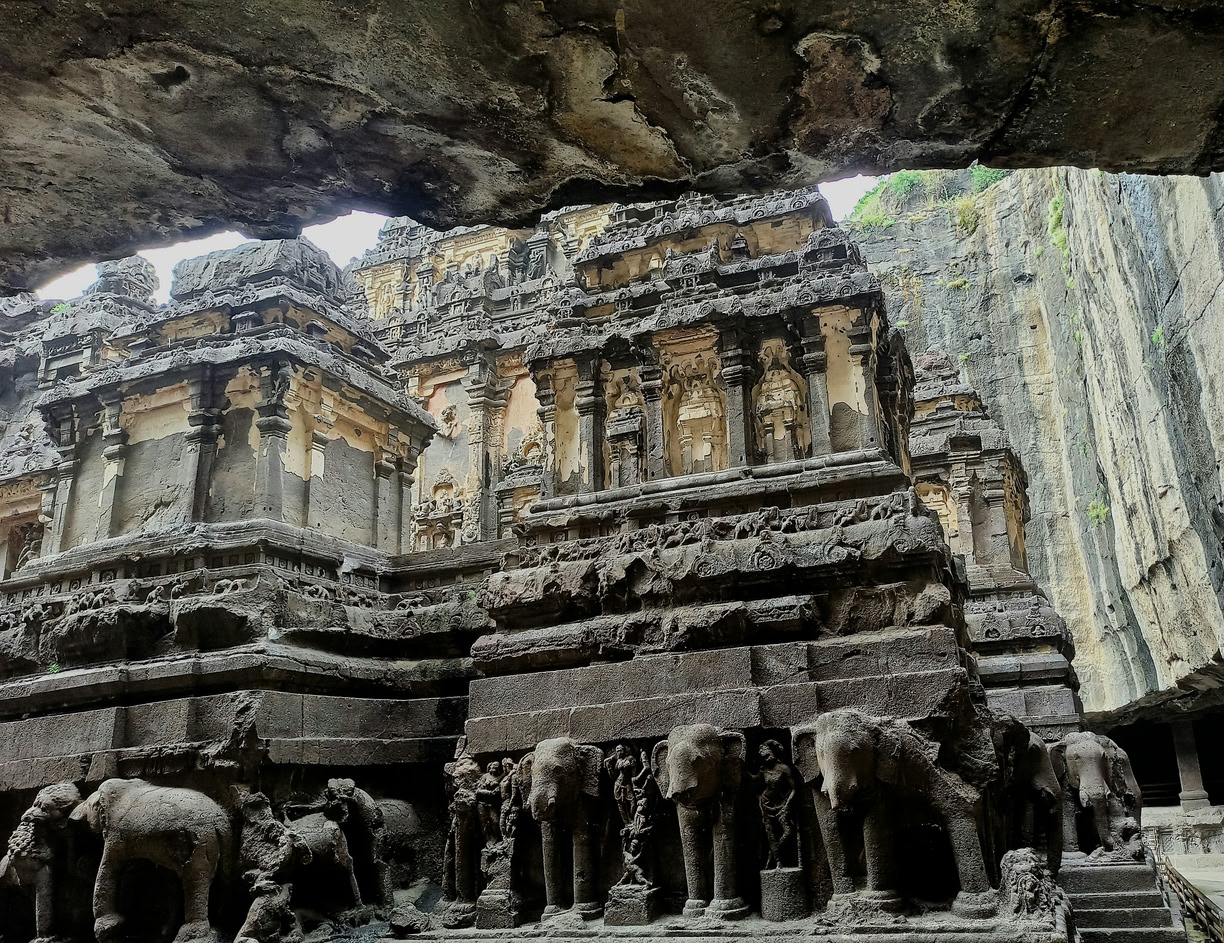
No visit to Ellora is complete without spending time at Cave 16, the Kailasa Temple. The Kailash Temple, consisting of a gateway, assembly hall, main multi-storey temple and other smaller shrines, has been carved out of a single rock and was made to resemble Mount Kailash. The scale of the achievement is staggering. The temple is adorned with intricately carved panels and enormous pillars, and the more you look, the more detail reveals itself.

Daulatabad Fort
Built in the 12th century on a dramatic conical hill, Daulatabad Fort is one of India's most formidable medieval strongholds. Originally known as Devgiri, it's 15 minutes by car from the Ellora Caves and is listed among the Seven Wonders of Maharashtra. The steep climb to the top past moats, tunnels and bastions is an adventure in itself, and the panoramic views of the Deccan landscape from the summit make every step worth it.
Visit the Grishneshwar Temple
The Grishneshwar Temple is a Hindu temple dedicated to Lord Shiva and is one of the twelve Jyotirlingas among the most sacred Shiva temples in India, about a kilometre from Ellora Caves. Built in red rock, it is an important pilgrimage site that draws devotees year-round. Remove your footwear before entering and dress modestly out of respect for worshippers.
The best things to do around Aurangabad
If you're basing yourself in Aurangabad to explore the Ajanta and Ellora Caves, these are the best things to do.
Visit Bibi Ka Maqbara
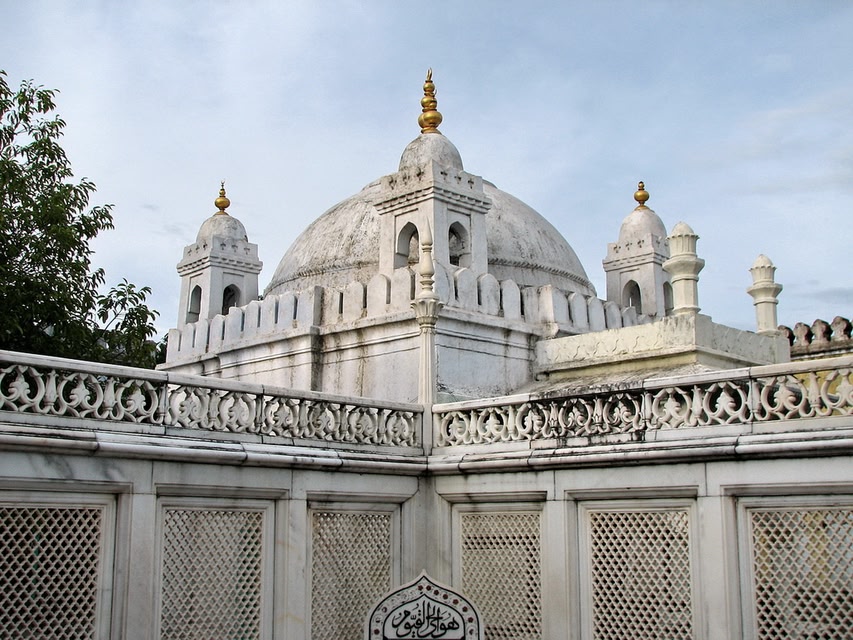
Often called the Taj of the Deccan, Bibi Ka Maqbara was built to honour Aurangzeb's wife and sits just 5 km from the city centre. The white marble tomb bears a striking resemblance to the Taj Mahal but offers a quieter, more contemplative atmosphere.
Trek to Daulatabad Fort
About 14 kilometres from Aurangabad, Daulatabad Fort rises dramatically on a conical hill and ranks among the Seven Wonders of Maharashtra. The climb rewards you with views of the countryside, so budget a couple of hours for the full experience.
Explore Khuldabad
Just 3 km from Ellora, this small town, known as the Valley of Saints, is home to Emperor Aurangzeb's famously austere tomb and the Bhadra Maruti Temple, dedicated to a reclining form of Lord Hanuman.
Shop at the cave markets
The open-air markets near both sites sell hand-painted miniatures, Ajanta-inspired art, stone sculptures and silver jewellery. If you are heading into Aurangabad, look out for the region's signature Paithani silk sarees too.