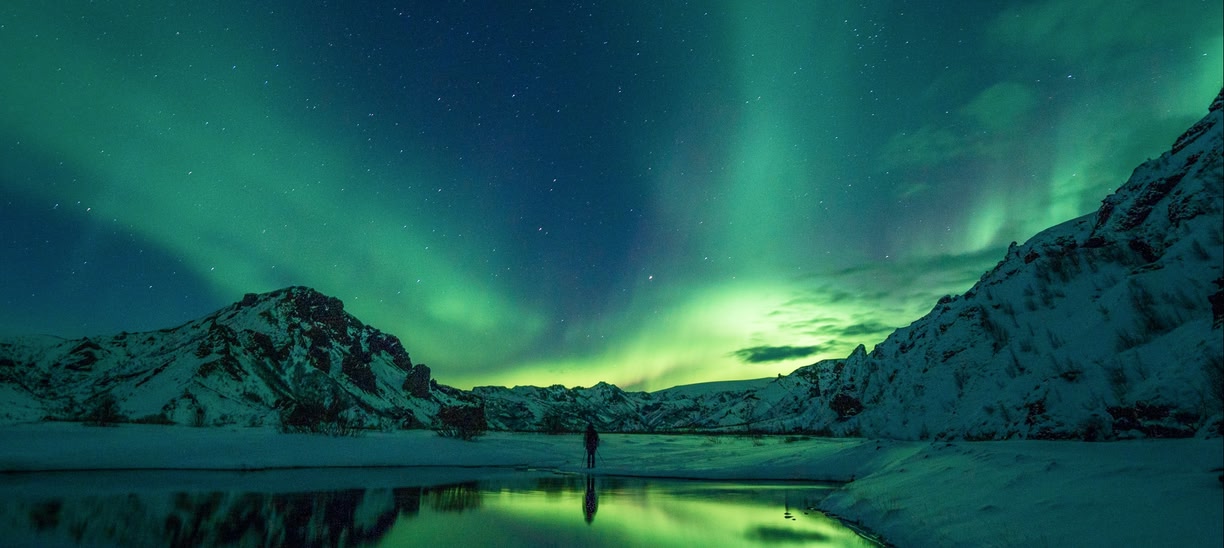
From Tromsø to Lapland to the Lofoten Islands, these European destinations are the best places to see nature’s most dazzling light show.
The northern lights have become one of the Nordic region’s most iconic draws, cementing its status as a must-visit destination for travellers in search of natural wonders. Come and you’ll witness a spectacle where colours dance across the sky. It's an experience made even more magical by a backdrop of snow-dusted mountains and glimmering glaciers.
These landscapes, infused with stillness and beauty, reflect the deep tranquillity of nature. It’s no wonder that Northern Europe has become a top destination for those seeking meaningful, off-the-beaten-path experiences. The rise of trends like slow travel, wellness tourism, self-discovery and digital detoxes underscores the region’s allure for mindful travellers.
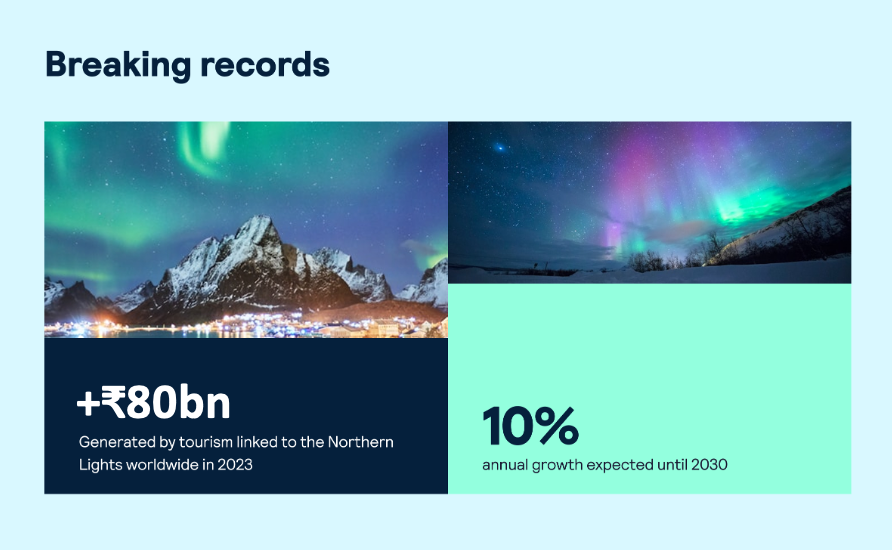
Still, it’s the northern lights that steal the spotlight (especially for skygazers). Globally, aurora-related tourism generated over ₹80 billion in 2023, with forecasts predicting roughly 10% annual growth by 2030.
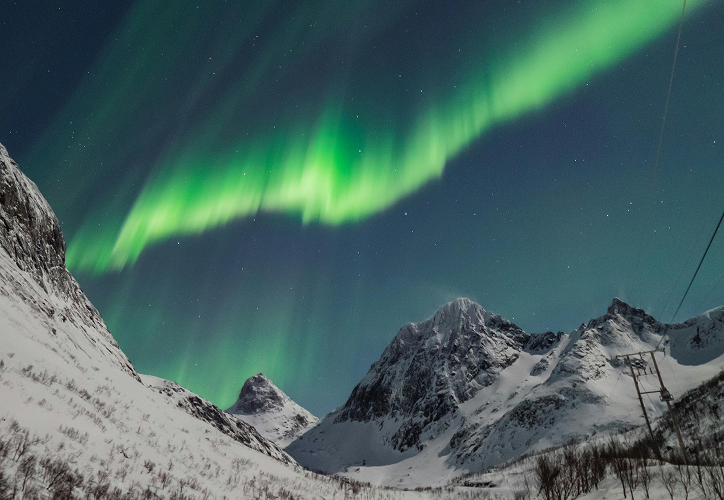
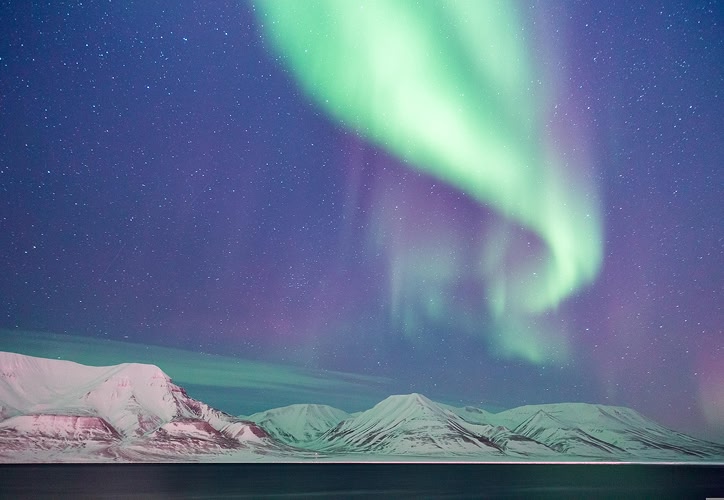
It’s easy to see why the northern lights captivate so many: swirls of green, red, blue and white wash over the night sky, turning the normally desaturated Nordic wilderness into a canvas of motion and colour.
Dreaming of seeing the northern lights for yourself? The Sun passed the peak of its current cycle in 2024–25, but this declining phase can still bring powerful solar storms, so the 2026/27 winter is still one of the better seasons in years to see the aurora.
Sweden, Norway, Iceland and Finland are ideal destinations for witnessing this cosmic show, offering unique locations with dark skies and stunning landscapes perfect for viewing the aurora borealis.
Where to see the northern lights?
The northern lights occur near the magnetic poles in what’s called the Auroral Oval encompassing northern Europe, Russia, Canada and Greenland - usually within the 65° and 75° northern latitudes.
Scandinavia and Northern Europe are among the most reliable regions for viewing the Aurora Borealis, with each destination offering its own distinct charm.
Stay up and watch the northern lights from 10pm to 2am, when the colours are most vivid.
Tromsø
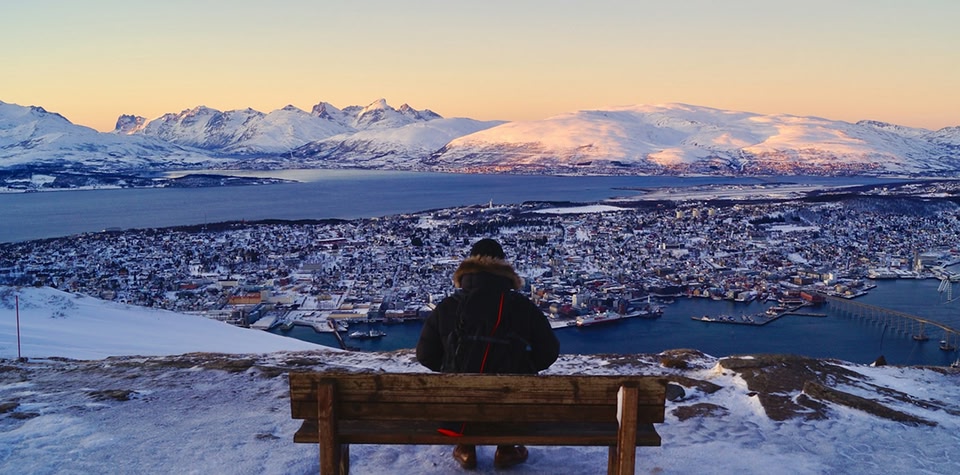
Known as the Arctic capital, this small Norwegian city blends vibrant urban life with prime aurora viewing. In Tromsø, the northern lights often appear every other night, making it one of the most reliable spots to witness the spectacle. By day (or even under the moon) you can enjoy dog sledding adventures and Arctic safaris, adding even more magic to your stay.
Lapland
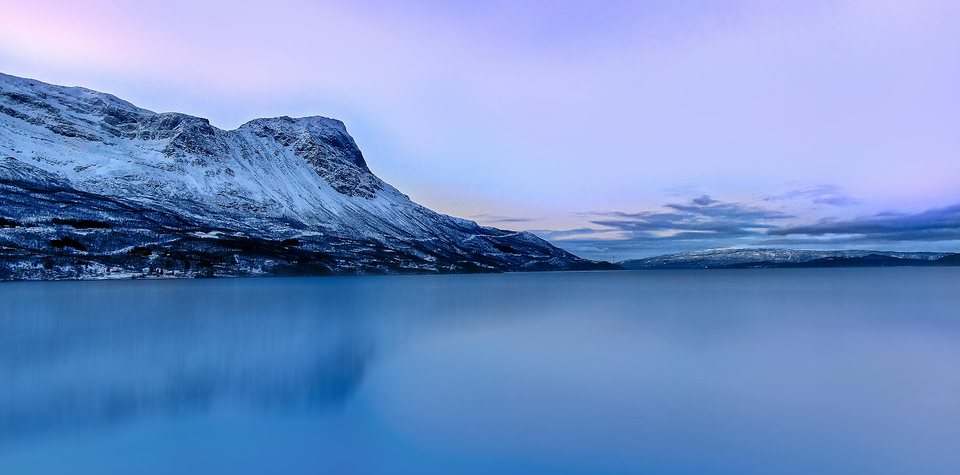
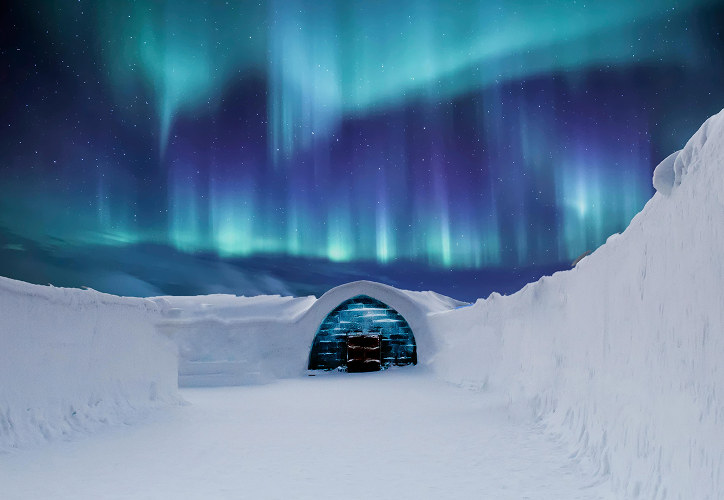
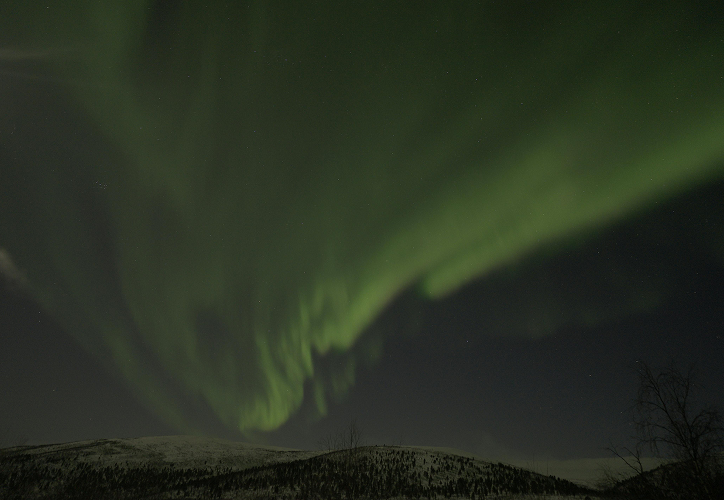
The Finnish region of Lapland is one of the best places to visit to see the northern lights - as almost the entire region lies above the Arctic Circle, and the aurora is visible for over half of the year. View them from the shores of Lake Inari (the country’s third-largest lake), from the slopes of a ski resort, or the inside of an aurora igloo. A tip before you travel? Be sure to stay on the nice list. Families will love making a stop at Rovaniemi, Santa Claus’s quaint hometown.
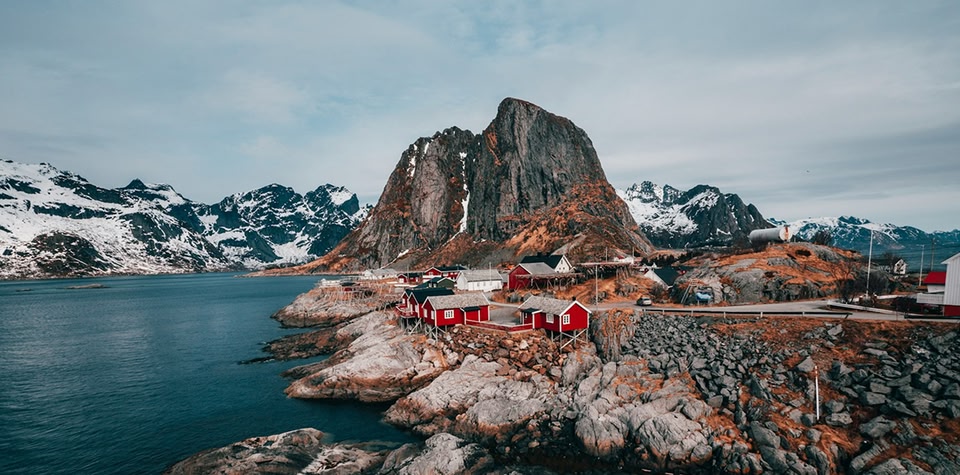
Lofoten Islands
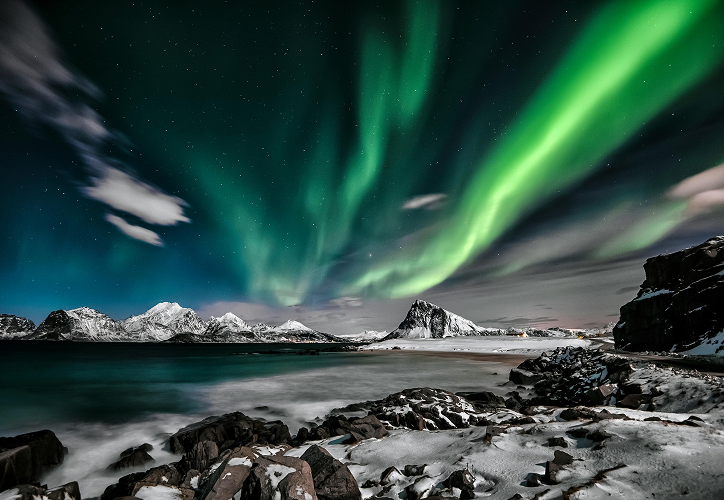
This Norwegian archipelago is a favourite for its breathtaking setting where the northern lights dance above jagged mountains and deep fjords. Its remote location and minimal light pollution make for exceptional viewing conditions. The best time to visit is from September to March, when long, dark nights and clear skies increase your chances of witnessing the spectacle.
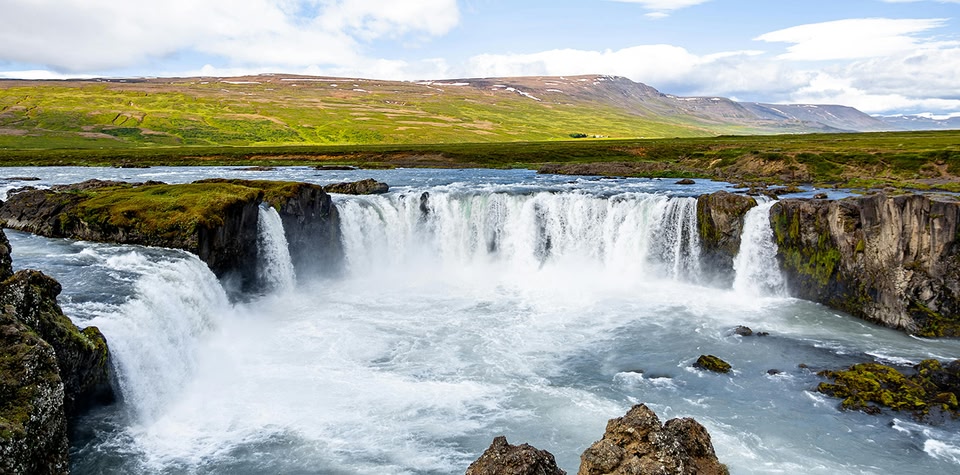
Iceland
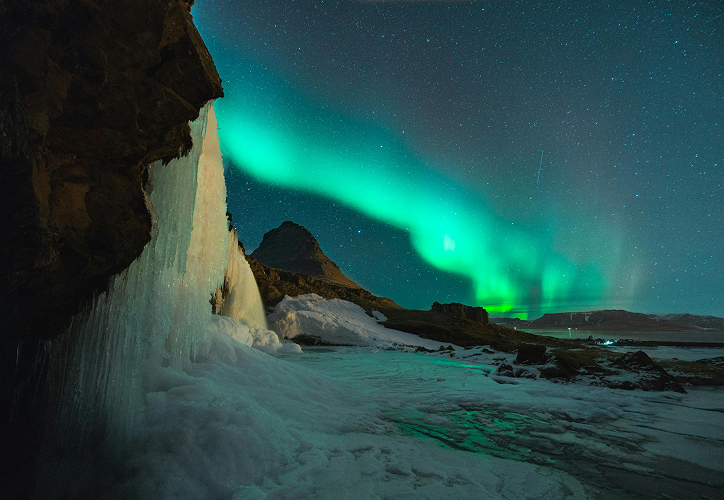
Towns like Akureyri, Ísafjörður and Húsavík are top spots for catching the aurora, especially from September to April. What makes the trip even more rewarding is the chance to pair your northern lights adventure with Iceland’s otherworldly landscapes. Get misted by a waterfall, hike among gushing geysers and soak in the island’s volcanic terrain. According to California-based adventure company, Wilderness Travel, winter bookings to Iceland have grown about 130% annually since 2021.
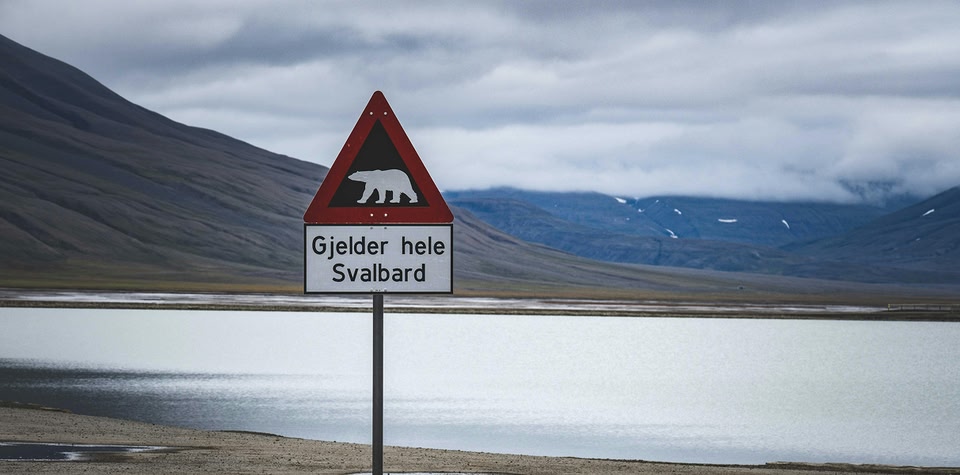
Svalbard
Located between mainland Norway and the North Pole, this remote archipelago is the world’s northernmost inhabited area. Home to fewer than 3,000 residents, it offers front-row seats to the Arctic’s vivid skies, where the northern lights frequently dazzle. Beyond the auroras, its untamed wilderness invites adventure. Think polar bear spotting safaris, kayaking among icebergs and hiking across ancient glaciers, all in one of the most surreal landscapes on Earth.
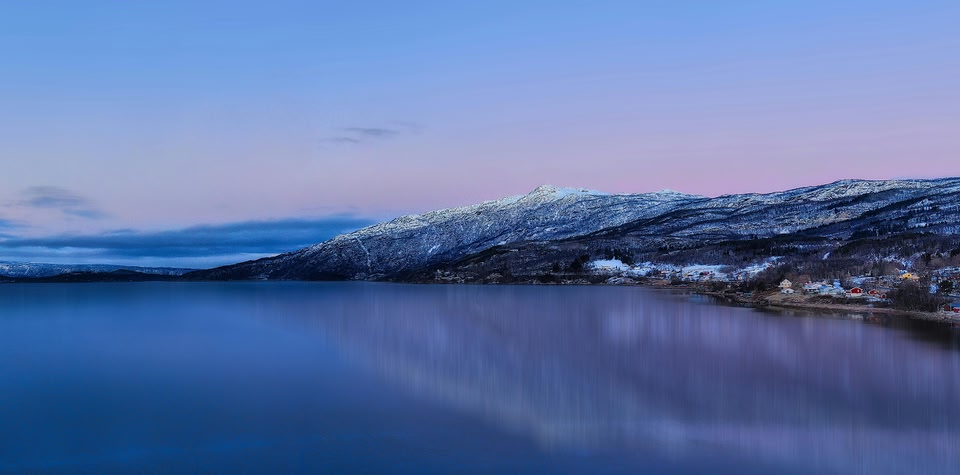
Abisko
Abisko, a national park in northern Sweden, is one of the most reliable places in the world to see the northern lights. Thanks to its unique microclimate marked by clear skies and low precipitation, it’s a reliable place to view the auroras. The park offers visitors many ways to explore its dramatic alpine scenery. Wintertime adventures include hiking through scenic trails, skiing along backcountry terrain, and riding the chairlift to the Aurora Sky Station, one of the best vantage points for viewing the lights. Book ahead to enjoy a dinner of Swedish comfort foods under the dancing lights.
How to see the northern lights?
Choosing the right location is just the start of your northern lights trip. Your experience will be shaped by many factors - from how easily you can get there to whether you join a guided tour. Here’s what to look for to make your aurora adventure unforgettable.
The freedom of having your own car
Many of the best northern lights destinations are tucked away in remote corners of the Arctic. This minimal light pollution and untouched wilderness are part of what makes the experience so special. But this remoteness comes with challenges. Public transportation, if available, often doesn’t run during prime aurora viewing hours overnight. That’s why one of the most important considerations is how you’ll get there and how you’ll get around once you arrive.
Most aurora viewing spots are far from urban areas, so having your own vehicle is a convenient choice.
Most locations have car hire companies like Europcar, SIXT, Hertz and Avis. You’ll want to book your vehicle well in advance, especially during peak season.
Svalbard and Abisko are special cases where you’ll want to consider the following:
Svalbard: Rent a car that’s specifically equipped for Arctic conditions and able to handle icy, unpaved roads. Keep in mind the road network only covers the area around Longyearbyen, and since January 2026 visitors heading beyond the main travel area must apply to or register with the Governor of Svalbard first, so most travellers join guided tours. There are also airport shuttles to Longyearbyen from Svalbard Airport, stopping at all hotels and guesthouses.
Abisko: The closest rental point is in Kiruna, around 93 kilometres away, but companies like Budget and Avis offer winter-ready vehicles. There are also shuttle buses connecting Abisko with Kiruna Airport.
Tours to make the most of your trip
Local guides know the region best! Find guides and activities tailored to the northern lights location you’ve chosen.
Wellness tourism
A slow pace of snowy life
Seven in 10 Indian travellers say they feel more mindful about their health and wellbeing than ever before, leading them to opt into trips that are focused on wellness. Over 90% of Indian travellers think holidays, like chasing the Northern Lights, help build resilience and strength to handle the stresses of everyday life.
Beyond chasing the aurora, travellers are increasingly drawn to unique and rejuvenating experiences, favouring more meaningful alternatives to traditional tourism. This trend is stronger among older people. While 54% of people between 18 and 24 years old are taking a health-conscious approach to their travels, 71% of 45 to 64 year olds say the same.
Aim for 4 to 7 days to give you multiple chances to see the lights, as aurora predictions are an imperfect science. This will also allow enough time to rest after a long night out and soak in the local sights.
Wellness experiences for a Nordic Break
Thermal experiences are a highlight throughout the Nordic countries, with Iceland standing out as a top destination for geothermal baths.
Searches on Skyscanner for flights to Akureyri from India are getting more popular. This town with under 20,000 residents is a good base to explore some of Iceland's best geothermal baths.
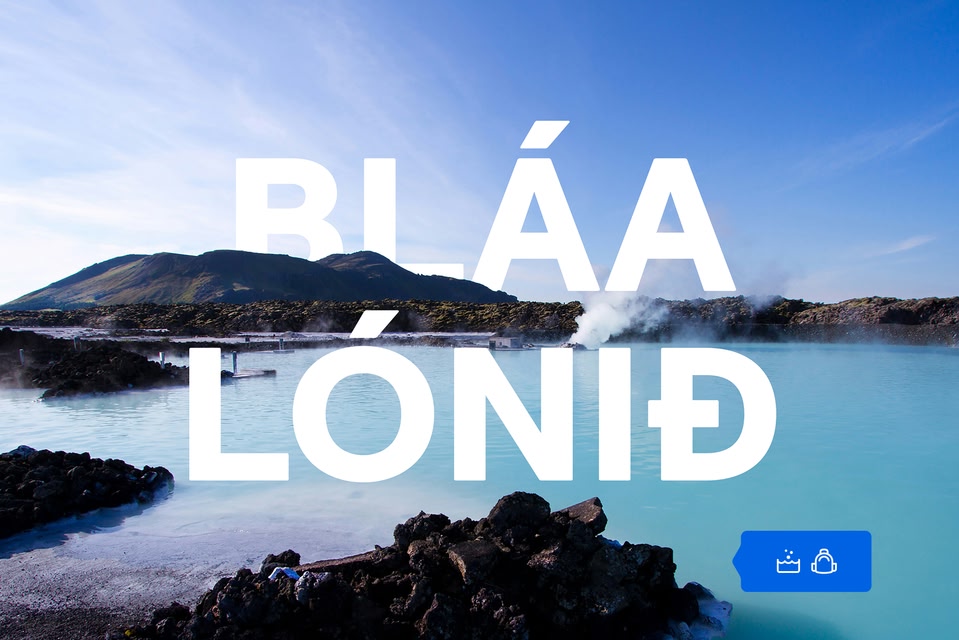
The Blue Lagoon, a geothermal spa with powder blue water is another top draw in southern Iceland.
In Finland, traditional saunas and starlit walks in Rovaniemi add to the whole aurora allure, influenced by the concept of friluftsliv:
Friluftsliv: A Scandinavian philosophy that embraces spending time outdoors all year long.
These experiences are also common in Sweden and Norway, where spas, saunas and wellness retreats embody the Nordic emphasis on time in nature.
Recommended stays
Witnessing the northern lights often goes hand-in-hand with accommodations that reflect the natural beauty that surrounds them.
Accommodations
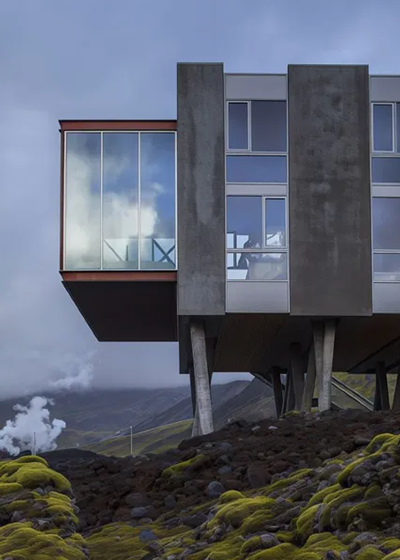
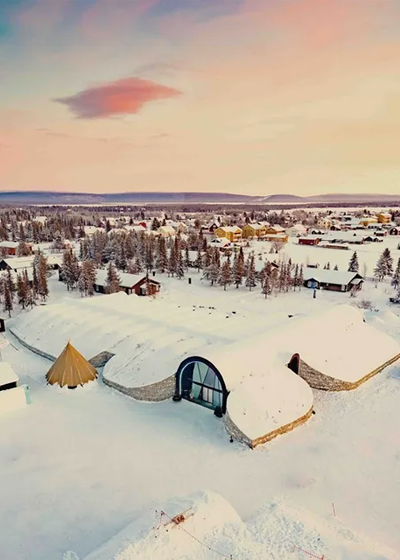
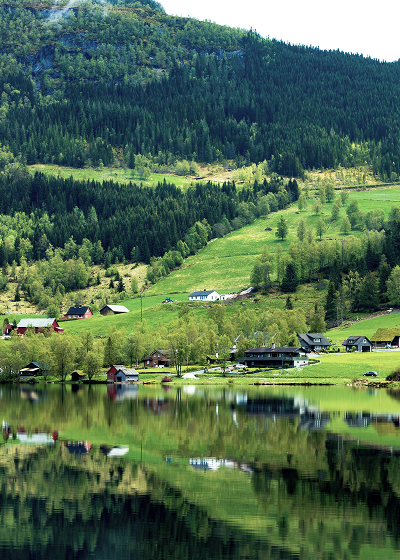
Other recommended stays include The Thief (Oslo), Scandic Grand Central (Helsinki), Nordic Light Hotel (Stockholm) or the Grand Hotel Reykjavík (Reykjavik).
A bright trend
The surge in northern lights tourism is closely linked to advances in technology. Today’s smartphones, with powerful low-light cameras, make it easier than ever to capture and share the aurora in vivid detail. Social media platforms and online travel content have amplified global fascination, turning these glowing skies into viral sensations and Nordic landscapes into dream destinations.
According to our data, 44% of Indian travellers cited seeing the northern lights as a bucket list experience. With solar activity still elevated, 2026/27 is a great time to chase this dream before the Sun quietens down towards the end of the decade!
Aurora alert: Why 2026/27 is a strong season for the northern lights
Travellers are in luck! The northern lights surged in intensity throughout 2024, reaching levels not seen in over 20 years. They were even captured over Ladakh! This spectacle is tied to the Sun’s “solar maximum” – a phase that occurs roughly every 11 years, bringing an uptick in solar storms that make auroras brighter, more frequent and visible farther south than usual.
While aurora forecasts remain tricky, displays over unusually low latitudes like Ladakh are becoming less frequent. For the best odds this winter, head to the Arctic destinations above, where regular bursts of solar wind keep the skies lively even in quieter years.
NASA and NOAA confirmed in October 2024 that the Sun had reached its solar maximum period, and it’s now in its declining phase. That doesn’t mean the show is over. Scientists say strong solar storms can still strike during this phase. In January 2026, a severe geomagnetic storm produced a rare red aurora over Hanle in Ladakh, recorded by the Indian Astronomical Observatory.
FAQs about seeing the northern lights
Planning to experience the northern lights in person? Skyscanner can help you find the best flights, hotels and car hire options to make your adventure in the Arctic unforgettable.


