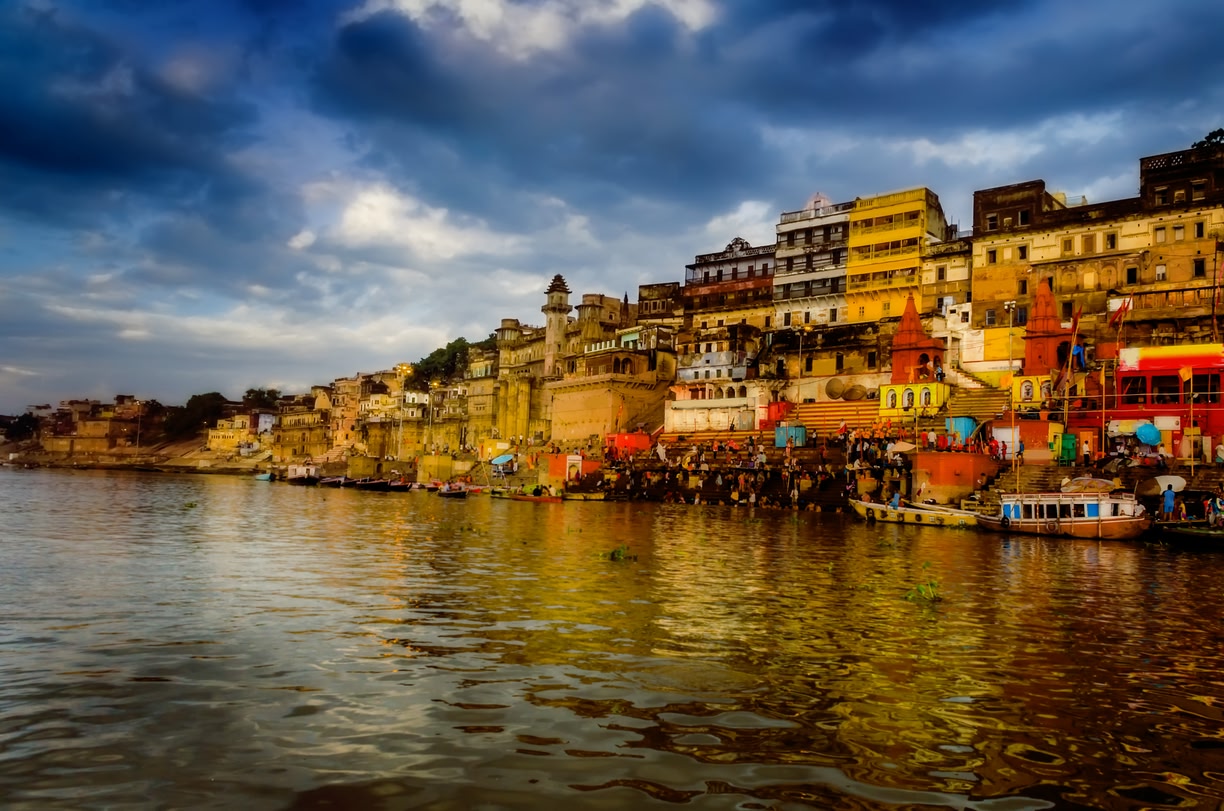
Every year, around 65 million people visit Kashi Vishwanath Temple. If you're planning to be one of them, here's everything you need to know before your visit.
This sacred Hindu site is seen as a must-visit location and if you're one of the 6.5 crore intending to go this year, this article will help you with flights, temple facts and the best time to visit Kashi.
A brief history of the Kashi Vishwanath Temple
Before you visit Kashi Vishwanath Temple, it's good to know a bit about its history and significance.
The revered Kashi Vishwanath Temple is found in Varanasi, one of Hinduism’s holy cities. This temple has been an integral part of practising the Shaiva philosophy for a long time. It's famous for its gold-plated domes and spires and its Nandi Bull statue.
Destroyed and rebuilt a number of times, the present structure stands near the original temple site. Hindus from around the world try to visit the temple at least once in their lifetime – the belief being that the temple darshan and a dip in the Ganges will lead a devotee to Moksha.
Read more: 7 Places to Visit in India
Quick facts about Kashi Vishwanath
Best time to visit Kashi
The best time to visit Kashi Vishwanath for a temple darshan is in the winter months, between October and March.
The weather in Varanasi, though cold in December and January, suits travellers since most sightseeing is outdoors.
If you're not looking to attend one of the aartis, then the best time to visit the temple is at 7 AM so you can avoid the long queues
Kasi Viswanathar temple timings
The temple opens at 2.30am. There are five aartis that are conducted in Kashi Vishwanath Temple daily:
Mangala aarti: 3am – 4am
Bhoga aarti: 11.15am – 12.20pm
Sandhya aarti: 7pm – 8.15pm
Shringara aarti: 9pm – 10.15pm
Shayana aarti: 10.30pm – 11pm
The best things to do in Varanasi
Looking to extend your stay in Varanasi? Here are five suggestions for things to do aside from visiting the temple:
1. Witness the Ganga Aarti at Dashashwamedh Ghat
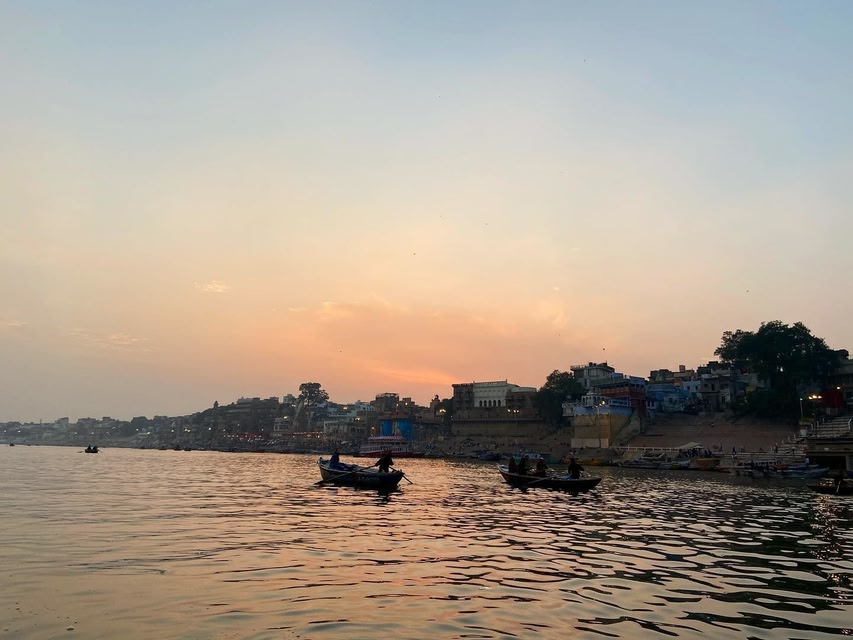
Every evening just after sunset, seven priests perform a 45-minute synchronised ritual at Dashashwamedh Ghat, honouring the river Ganga with brass lamps, incense, conch shells and chanting. The riverfront glows with thousands of lights reflected off the water, and the sound of bells fills the air. Arrive at least 45 minutes early to secure a good spot, or take a boat out on the river for a sweeping view. Aarti begins around 6pm in winter and 7pm in summer.
2. Visit the Dhamek Stupa in Sarnath
About 13km northeast of Varanasi, the Dhamek Stupa in Sarnath marks the exact spot where the Buddha delivered his first sermon after attaining enlightenment. Originally commissioned by Emperor Ashoka in 249 BCE and rebuilt in 500 CE, the imposing 43.6-metre cylindrical structure is adorned with intricate Gupta-era floral carvings and Brahmi script inscriptions. It is one of the eight most important Buddhist pilgrimage sites in the world.
3. Explore Ramnagar Fort
Built in 1750 by Kashi Naresh Maharaja Balwant Singh, Ramnagar Fort sits on the eastern banks of the Ganga and is a fine example of Mughal-influenced architecture, with ornate balconies, arched gateways and expansive courtyards. Inside, the Saraswati Bhawan Museum holds a fascinating collection of vintage cars, royal palanquins, medieval costumes and a rare 19th-century astronomical clock. The fort also hosts the celebrated annual Ramnagar Ramlila, a month-long dramatic retelling of the Ramayana during Dussehra.
4. Discover the Sarnath Museum
The Sarnath Museum is the oldest site museum of the Archaeological Survey of India, housing artefacts spanning the 3rd century BCE to the 12th century CE. Standout exhibits include ancient Buddhist sculptures, stone inscriptions and the original Lion Capital of Ashoka — the symbol at the heart of India's national emblem. The museum's layout is modelled on a traditional monastery, lending it a fittingly contemplative atmosphere.
5. Step inside the Gyanvapi Mosque
The Gyanvapi Mosque shares a wall with the Kashi Vishwanath Temple complex, and together they represent centuries of layered history in the heart of the old city. Built in the 17th century, the mosque's tall minarets rise above Varanasi's narrow lanes, creating a striking contrast with the temple's gold spires next door. It is open to all visitors and offers a quietly compelling window into the city's complex past.
Dress code for Kashi Vishwanath
There is no particular attire specified for a visit to the Kashi Vishwanath Temple, but there is a general dress code that is enforced.
Visitors to the temple must cover their arms and legs as a sign of respect. Indian traditional dresses are not compulsory and western clothes are allowed.
Security procedures
There are police checkpoints at a number of places as you enter the temple and security procedures are enforced strictly with frequent frisking.
Visitors are not allowed to carry mobile phones, cameras, belts with metal buckles, shoes, cigarettes and lighters into the temple premises. Lockers can be hired at a nominal charge.
Read more: Top 7 places to watch Dussehra festivities in India
The best way to get to Kashi Vishwanath Temple
Being a major pilgrim and tourist destination, Varanasi is very well connected to the rest of the country by road, rail and air.
Lal Bahadur Shastri International Airport is about 25 kilometres from the city centre. Several airlines fly into this airport, including Air India, IndiGo and SpiceJet.
Varanasi also has three railway stations: Varanasi Junction, Mughal Sarai Junction and Manduadih Railway Station.
Discover more
Varanasi is a city that rewards every kind of traveller. For a deeper dive into what the city has to offer, check out our guide to the top places to visit in Varanasi. If you're planning your trip around the best time to go, our best cities to visit per month guide is a handy starting point. Varanasi is also home to one of India's most sacred temples — read more in our roundup of famous temples in India every traveller should visit. And if you're still mapping out your broader India itinerary, our guide to the 7 best places to visit in India will give you plenty of inspiration.


