Your guide to Germany
Top destinations in Germany
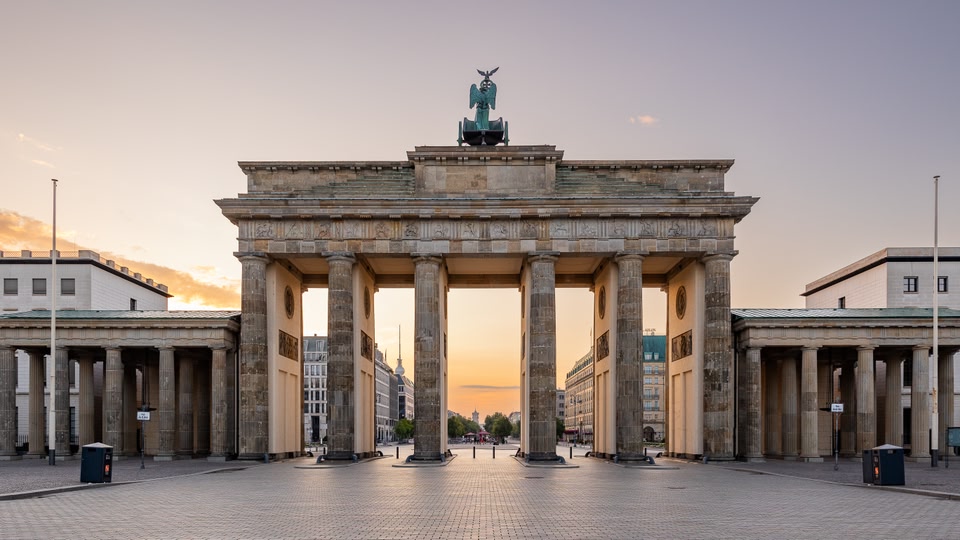
Berlin
Germany’s capital pushes the boundaries with world-class museums, high-concept cuisine and one of Europe’s most legendary nightlife scenes. Come explore the best of Berlin.
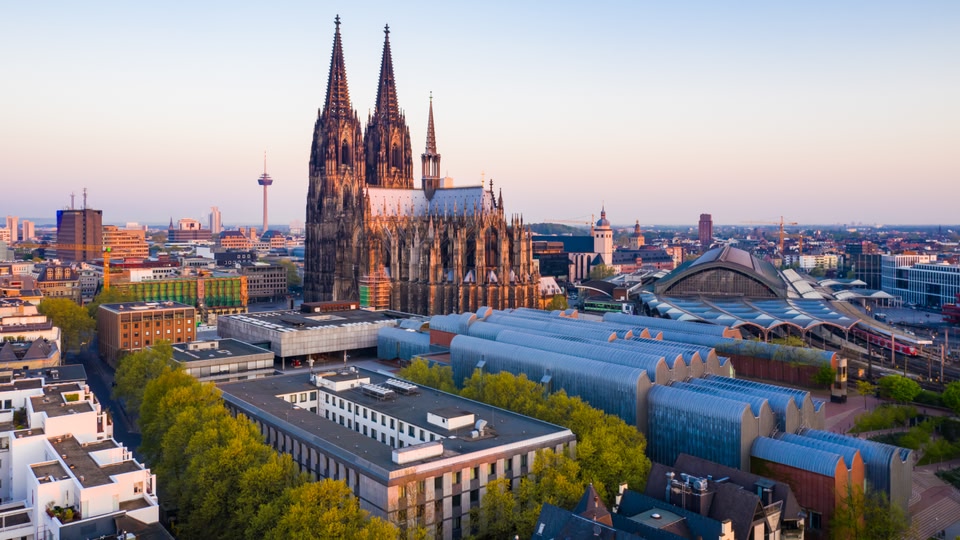
Cologne
Welcome to Cologne. This lively city on the Rhine boasts Roman ruins, Gothic cathedrals and a cultural scene that rivals some of Europe’s heaviest hitters.
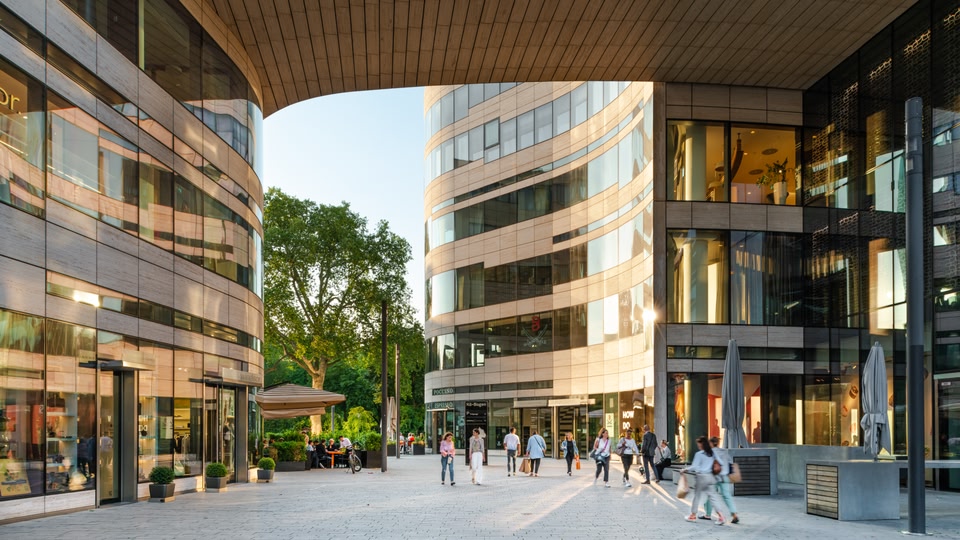
Dusseldorf
With half of the city covered in green space, Dusseldorf can feel like an urban escape hatch. Explore its parks and esplanades, and enjoy some of the best shopping in Germany.
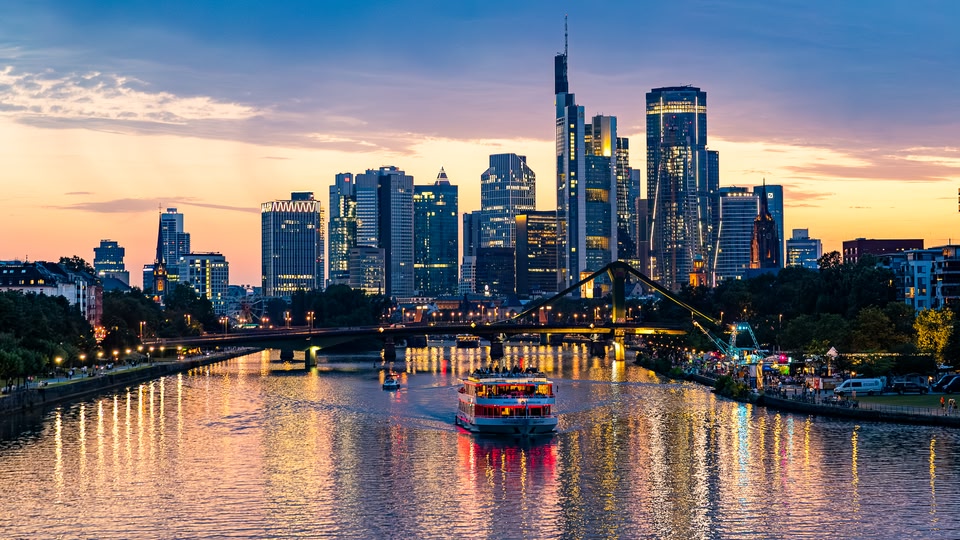
Frankfurt
A corporate powerhouse with a fun-loving spirit, Frankfurt draws you in with edgy art museums, modern restaurants and one of Germany’s most wooded urban areas.
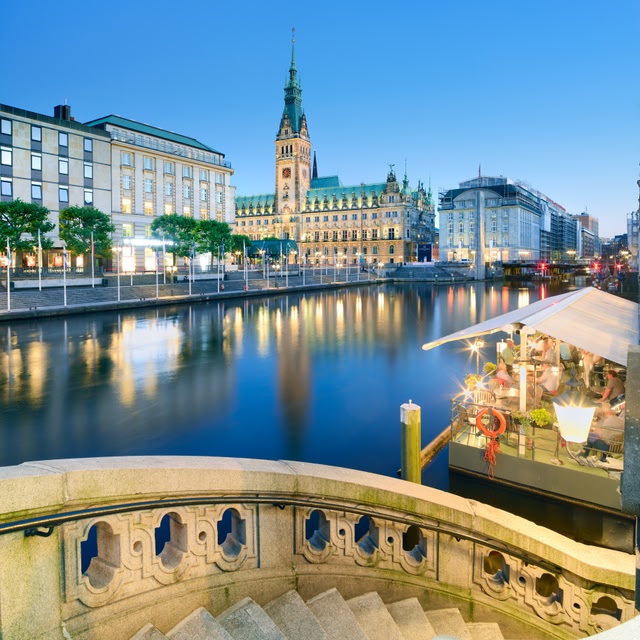
Hamburg
Green parks and narrow canals set the scene in Hamburg, a city famous for music and its Beatles connection. Delve into maritime history, innovative art and trendy neighbourhoods.
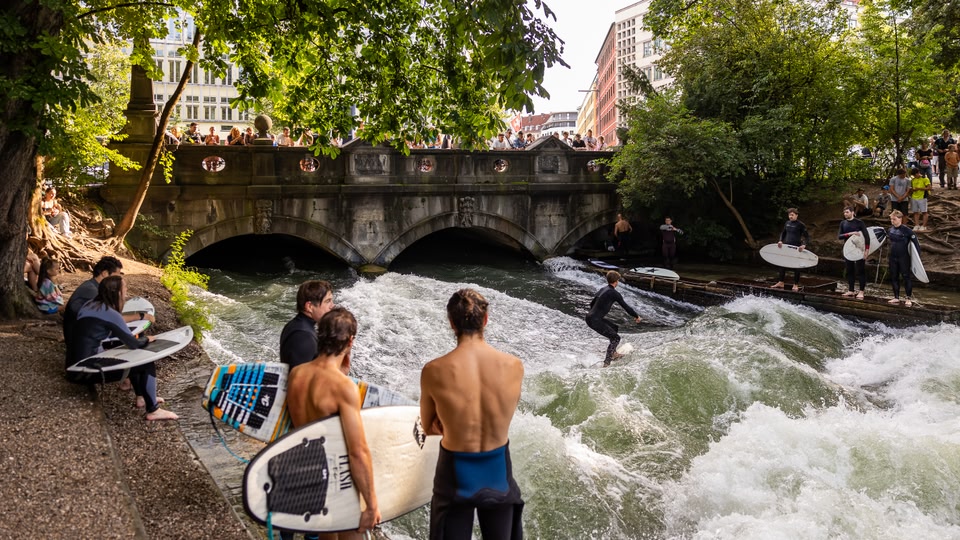
Munich
Bavaria’s feel-good capital is best known for its beer and bratwurst. But make sure you also get your fill of its galleries, museums and public green spaces.
Germany: fast facts
| Language | German |
|---|---|
| Currency | Euro (€) |
| Time zone | UTC+1 (CET) and UTC+2 (CEST) |

Germany highlights
Hit the Alps
In winter, one of the best things to do in Germany is to hit the slopes in Garmisch-Partenkirchen, Zugspitze or Sudelfeld. But the fun doesn’t stop in the Bavarian Alps once the snow thaws. In summer, take in beautiful lake scenery along the Eibsee Loop. For more of a challenge, tackle the long-distance hiking route between Lake Königssee and Lake Chiemsee.
Soak up the history
Germany’s long, complex history makes for fascinating attractions. Berlin draws countless visitors to landmark monuments like the Brandenburg Gate, the Reichstag and Checkpoint Charlie. But beyond the capital, you’ll find a treasure trove of history to explore, from Neuschwanstein Castle in the Bavarian Alps to Munich’s Frauenkirche and Lübeck’s medieval Old Town.
Find a festival
Of all Germany’s annual celebrations, Munich’s Oktoberfest is by far the most famous. But if swigging steins isn’t your thing, there’s a calendar of worthwhile events to enjoy. Wear your wackiest costume and join the crowds to celebrate the ‘Fastelovend’ (Carnival) in Cologne. Or get festive with ‘Glühwein’ (mulled wine) and bratwurst at the legendary Christmas markets in Berlin and Nuremberg.

Things to do in Germany
Top attractions
Don’t miss the East Side Gallery, where a surviving stretch of the Berlin Wall is now covered in striking murals by artists from around the world. Tour Neuschwanstein Castle, the fairy-tale palace that inspired Disney. Then stop by a nearby beer garden for a frothy stein. For storybook landscapes, hilltop castles and crisp Rieslings, make your way to the Middle Rhine Valley.
Beaches
Marvel at the breathtaking beauty of the Baltic coast at Heiligendamm, Germany’s oldest seaside resort. Spend a day in a ‘Strandkorb’ (sheltered straw beach chair) on Warnemünde’s white-sand beach. Active types won’t want to miss Sylt in the North Frisian Islands, known for its excellent surfing conditions. Inland, the Mecklenburg Lake District’s beaches are popular for water sports.
Nature
From Alpine forests to white-sand beaches, Germany has no shortage of natural wonders. Step into a world of Grimms’ fairy tales with a visit to the Black Forest National Park, or admire Lake Königssee’s emerald waters in Berchtesgaden National Park. Hoping to spot wildlife? Head to the mudflats of the UNESCO-protected Wadden Sea, home to porpoises and seals.
Culture and museums
Beyond Berlin’s Museum Island and Cold War landmarks like Checkpoint Charlie and the East Side Gallery, Germany has plenty of cultural showstoppers. Cologne Cathedral is Northern Europe’s largest Gothic church. And Hamburg’s historic Speicherstadt warehouse district is home to canalside museums and entertainment. Love cars? Stuttgart’s Mercedes-Benz Museum is one of the best museums in Germany for motorheads.
Cuisine
There’s more to restaurants in Germany than just sausages and sauerkraut. In Bavaria, tuck into hearty plates of ‘Schweinebraten’ (roast pork) and ‘Knödel’ (dumplings). And in Baden-Württemberg, treat yourself to a big slice of ‘Schwarzwälder Kirschtorte’ (Black Forest gateau). If you’re visiting Berlin, don’t miss the capital’s famous ‘currywurst’ (sausage with curry ketchup) or the Turkish-inspired doner kebab.
Family friendly
Kids and adults alike will love Hamburg’s Miniatur Wunderland, home to nearly 300,000 tiny residents and the world’s largest model railway. For a hands-on history lesson, the German Spy Museum in Berlin offers interactive exhibits. In winter, head to the Black Forest for a perfect day of sledging on the snow-covered slopes.
Find the best time to visit Germany
Weather in Germany
March – May: Spring is a great time to visit Germany. By April, the weather turns mild, wildflowers bloom and seasonal festivities burst into action.
June – August: Days are long with warm temperatures, especially in the south. This is a great time for beer gardens, swimming in a lake or lazing in a city park.
September – November: Autumn brings rain and cooler weather, but it also washes the forested landscapes in bright reds and oranges. It’s the perfect time to explore the country’s castles.
December – February: Winters can get frosty. For snow sports, head south to the mountains near the Swiss and Austrian borders.
Events in Germany
Berlin International Film Festival (February): One of the world’s largest public film festivals, the Berlinale is a major event for global filmmakers, showcasing a wide range of films and documentaries right after Cannes and Venice.
BeethovenFest (August and September): Every year, Beethoven’s birth town of Bonn hosts a popular celebration of classical music. Mostly centred around the late composer’s music, the festival also embraces modern interpretations and contemporary compositions.
Oktoberfest (September to October): A traditional Bavarian folk festival at its core, this legendary celebration in Munich is jam-packed with parades, carnival rides, folk music and plenty of ice-cold beer.
Know before you go
Local etiquette
Germans place a strong emphasis on punctuality, so aim to arrive on time or a few minutes early for appointments. Respect for hierarchy is reflected in the use of titles, and eye contact during a handshake is essential. Always greet people in German before asking if they speak English, as assuming can be seen as impolite.
Health and safety
If you’re heading to Bavaria or the Black Forest during warmer months, be careful of ticks, as they can carry tick-borne encephalitis. Germany offers excellent healthcare, with pharmacies providing helpful assistance. But keep in mind, if you lack insurance, hospitals may require substantial upfront payment. Always consider travel insurance for peace of mind.
LGBTQ+ travel
Germany has a long history of LGBTQ+ advocacy, with the first gay rights protest said to have taken place here as far back as 1867. Berlin is a thriving hub with many LGBTQ+ bars, clubs and events. The annual Christopher Street Day Parade draws thousands. And most major cities host LGBTQ+ film festivals and cultural events.
Budget
There are plenty of affordable food and lodging options throughout the country. If you’re trying to plan an affordable visit to Germany, expect to pay under five euros (€) for a coffee or a local beer and less than €20 for an inexpensive meal. An average short taxi ride is €11, but public transport is generally cheaper in major cities.

Getting around Germany
Public transport
Buses: Buses aren’t the most popular mode of transport here (trains and planes trump all others), but they are usually the most affordable. An extensive network knits together regional sites and big cities. FlixBus is the largest provider.
Trains: The state-run Deutsche Bahn is the easiest way to travel long distances in Germany. To get the best fares, book in advance and reserve a seat on popular routes. If possible, opt for a window seat — the views of the countryside are unbeatable.
Boats: River cruises are a popular way to explore the Rhine and Danube, while ferries and harbour tours are part of daily life in Hamburg. If you’re heading to Germany’s North Sea or Baltic Sea islands, such as Sylt or Rügen, ferry travel is essential and often scenic.
Domestic flights
For fast travel across Germany’s wide interior, flying is your best bet. Though be prepared to pay more. Lufthansa and its budget option Eurowings are the main carriers, offering many domestic routes between major cities.
Driving
Germany’s famed ‘autobahns’ (highways) allow for high speeds, but limits are enforced in busy or urban areas. Road rules are strict, and fines can be hefty. To hire a car, you’ll need a valid driving licence, while some hire companies may also require an international driving permit.


